
It has been three years since Bali published its list of Do’s and Don’ts for travelers. The list of acceptable behavior from visitors was hoped to set a new precedent for tourists, admitting a rise in unruly and disrespectful behavior.
As the island is expecting to welcome a record-breaking number of tourists in 2026, the majority of whom are visiting for the first time, here at The Bali Sun, we thought it was a good moment to revisit the list.
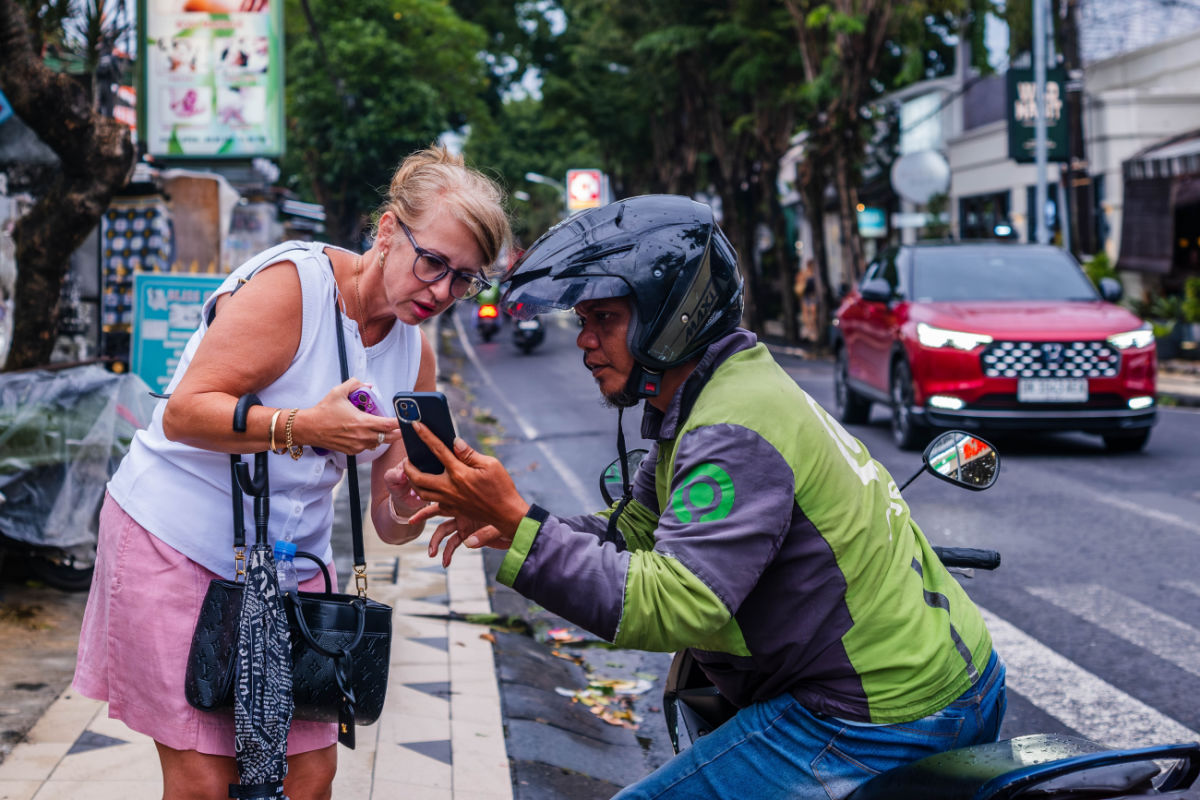
The list of Do’s and Don’ts was issued by the Governor of Bali, Wayan Koster, during his first term in office. For a time, the list was printed on a small flyer placed inside tourists’ passports as they passed through immigration at I Gusti Ngurah Rai International Airport.
The list was also printed on billboards and placed at the top attraction. While over the last few years talk of the list of Do’s and Don’ts has quietened somewhat, the rules and guidelines are still very much in effect.
As Bali is set to welcome a new wave of fresh faces to the island this upcoming peak season, now is as good a moment as ever to revisit the rules. In fact, even for returning holidaymakers to the island, it’s always good to have a quick refresher of what is expected while visiting the province.
The full list of Do’s and Don’ts for Bali Tourist can be found on the LoveBali website. This is a very important website, but very few tourists know about it. This is the site, operated by the Provincial Government, where all international arrivals to Bali must pay their Bali Tourism Tax Levy payment. Did you know about that? The Bali Tourism Tax is a mandatory IDR 150,000 fee for all international tourists to Bali, including children.
If you want to get up to speed with all you need to know about the Bali Tourism Tax Levy in 2026, we just published our 2026 explainer. For now, let’s dive into what LoveBali has to say about the Do’s and Don’ts of Bali Travel.
LoveBali explains that in 2026, “during their stay in Bali, foreign tourists are advised to observe the following guidelines as a form of respect toward local culture and the community: Respect the customs and traditions that are deeply rooted in Balinese society. Dress modestly and appropriately, especially when visiting temples or attending religious ceremonies. Maintain polite behavior and interact respectfully with local residents and fellow visitors.
Tourists must also “Use official services, including licensed money changers. Comply with traffic regulations and ensure legal and safe driving practices. Maintain cleanliness and respect the environment and public facilities.”
In terms of things to avoid, the instructions are pretty straightforward, too. LoveBali explains, “The Bali Provincial Government also emphasizes several prohibitions that must be observed by visitors: Working or conducting business activities without proper permits is strictly prohibited. Do not engage in any form of illegal activity. The use, possession, or distribution of narcotics and illegal drugs is strictly prohibited. Do not violate traffic laws or driving regulations.”
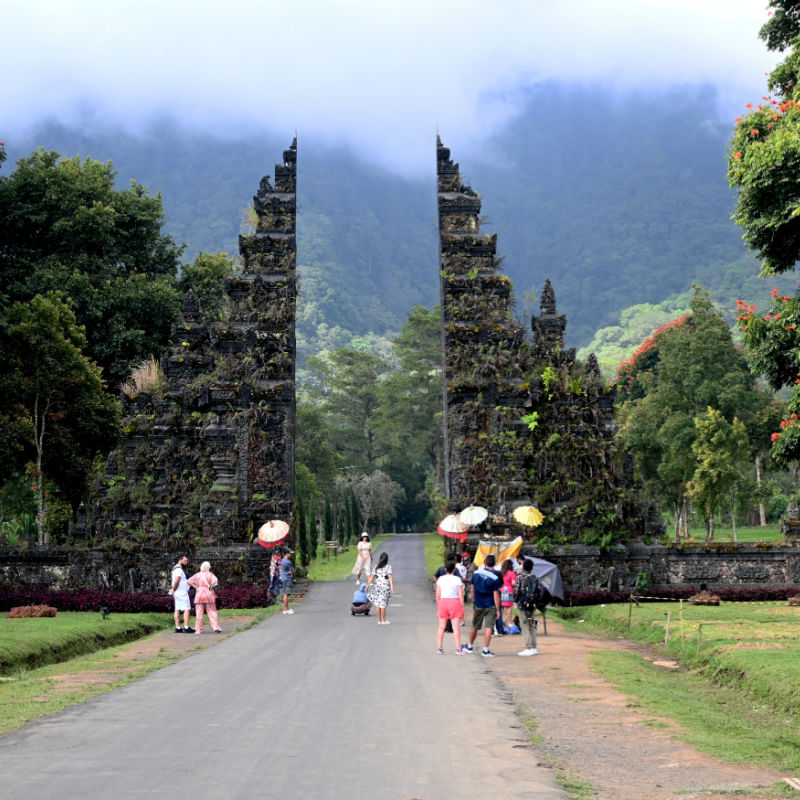
Adding “Do not litter and always help maintain environmental cleanliness. Do not step on, damage, or interfere with religious offerings or ceremonial items.”
“Avoid taking inappropriate photos or engaging in disrespectful behavior in sacred areas. Do not bargain excessively, aggressively, or in an impolite manner.”
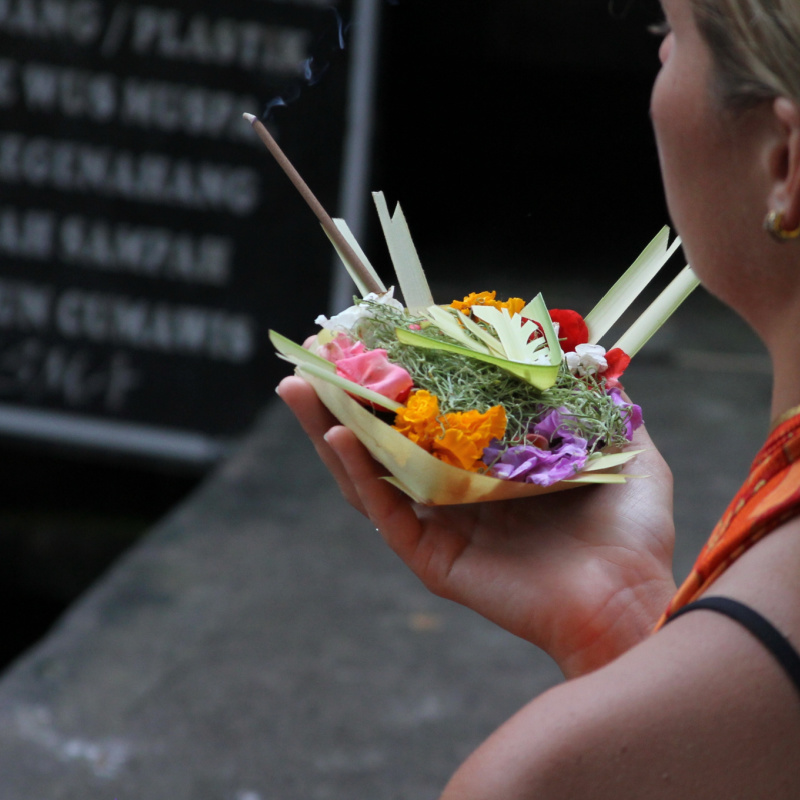
The Bali Provincial Government has explained, “Bali is not merely a holiday destination, but also a living space for communities whose cultural values have been preserved for generations.”
“By complying with regulations, respecting local customs, and contributing positively, visitors play an important role in keeping Bali safe, comfortable, and sustainable.”

Concluding “Through shared awareness and cooperation, Bali is expected to continue thriving as a culturally rich, orderly, and sustainable world tourism destination.”
Discover more from The Bali Sun
Subscribe to get the latest posts sent to your email.