
Tourists, business travelers, digital nomads, and expats have been issued with updated guidance on the difference between visas and stay permits by the Indonesian Immigration Office.
Most tourists visiting Indonesia, including tourism hotspots like Bali, require an eVisa on Arrival, but there are many options to explore.

Indonesia Immigration is always publishing updated advice and guidance for foreigners who are applying for visas and stay permits. As Indonesia’s immigration policies undergo changes, it is crucial for tourists, business travellers, digital nomads, and expats to stay updated on the latest developments.
Bringing it back to basics, the Indonesian Immigration has published new advice to help foreigners understand the difference between visas and stay permits. Indonesia Immigration explains, “Many people still think that a Visa and a Stay Permit are the same thing. But actually, they serve different purposes, even though they’re closely related.”
They share “A visa is an official authorisation granted by a country to foreign nationals, allowing them to enter its territory for a specific period and purpose (such as tourism, study, or work).” A visa allows entry to the country and is issued by the Indonesian Representative Office abroad, such as an embassy, consulate, or through the Directorate General of Immigration’s electronic visa system online.
By contrast, they explain that “Stay Permit is the permission granted after you’ve entered the country, allowing you to legally stay for a certain period based on your reason for being there, whether it’s for studying, working, or other purposes.” This allows legal residence in Indonesia and is issued by the Immigration Office within the territories of Indonesia.
Indonesia Immigration advises, “You can have a visa without a stay permit. But if you already have a stay permit, it means you’ve met the requirements to legally live in the country for a set duration.”
They conclude, “Make sure to handle both properly, especially if you plan to stay abroad long-term. Understand the process to avoid legal issues or immigration violations in your destination country.”
There are many different types of visas and different types of stay permits. Visa types include a free visa, the visa on arrival (including the e-visa on arrival), the visit visa, and the limited stay visa. These are all obtained before entering Indonesia and are valid before or upon arrival in the country.
Last week, Indonesia also updated the list of countries included on the visa-free travel list. The countries now on the visa exemption list for Indonesia are Brunei Darussalam, Malaysia, Thailand, Vietnam, the Philippines, Cambodia, Singapore, Myanmar, Laos, Timor-Leste, Suriname, Colombia, Hong Kong, Turkey, and Brazil.
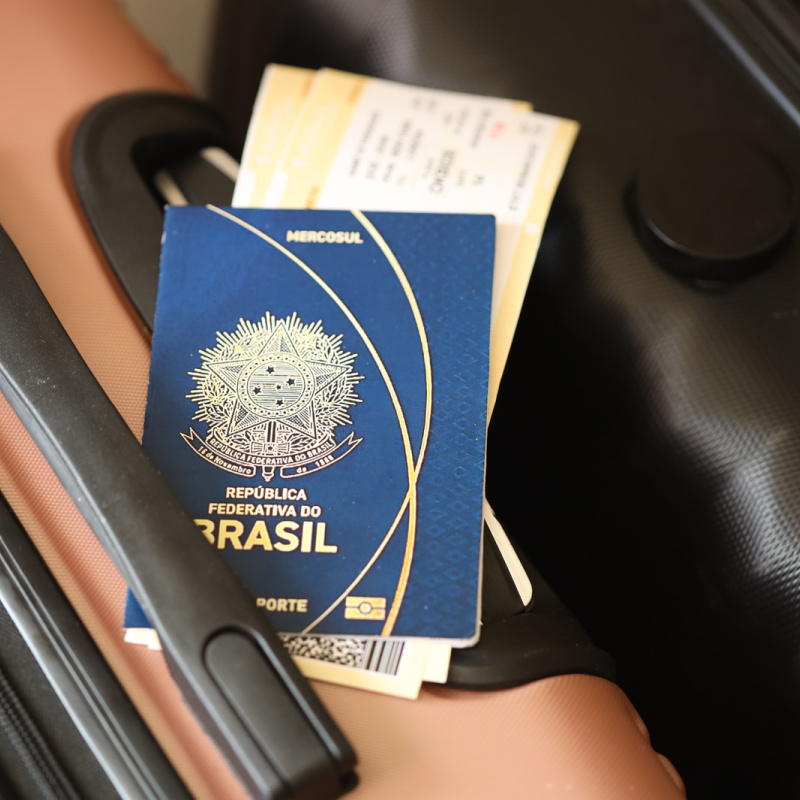
This means that tourists and travellers from these 15 countries can enter Indonesia for up to 30 days for tourism and a limited number of business activities without a visa. However, visa exemption registration must be lodged prior to travel.
There are different types of stay permits that foreigners seeking to reside in Indonesia must also be aware of. These are the visit stay permit, limited stay permit, and permanent stay permit.

Tourists can find all the information they need regarding their visa or stay permit category and application at the Official Indonesia Immigration website. It is also advisable to follow the Indonesian Immigration Instagram account, where updates and advice are published in English almost every day.
Tourists can apply for their visa on arrival directly at Bali’s I Gusti Ngurah Rai International Airport, or for their eVisa on Arrival at the Official Indonesia Immigration website.
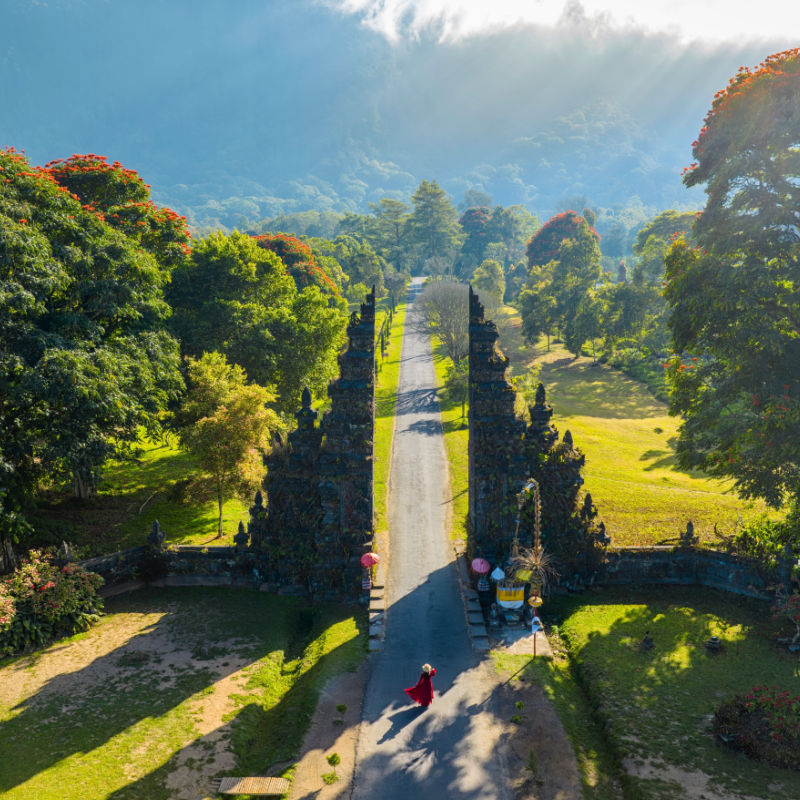
The eVisa on Arrival costs IDR 500,000 and is valid for 30 days. It can be extended one time via the new Hybrid Application System for a further 30 days. The extension process must be started before the original 30-day period is complete.
Discover more from The Bali Sun
Subscribe to get the latest posts sent to your email.