
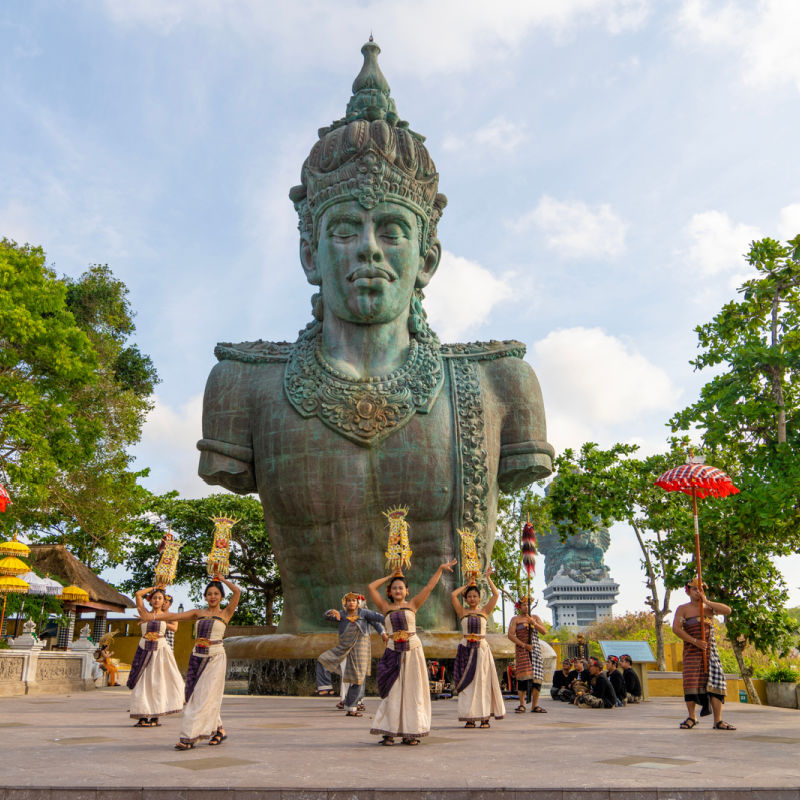
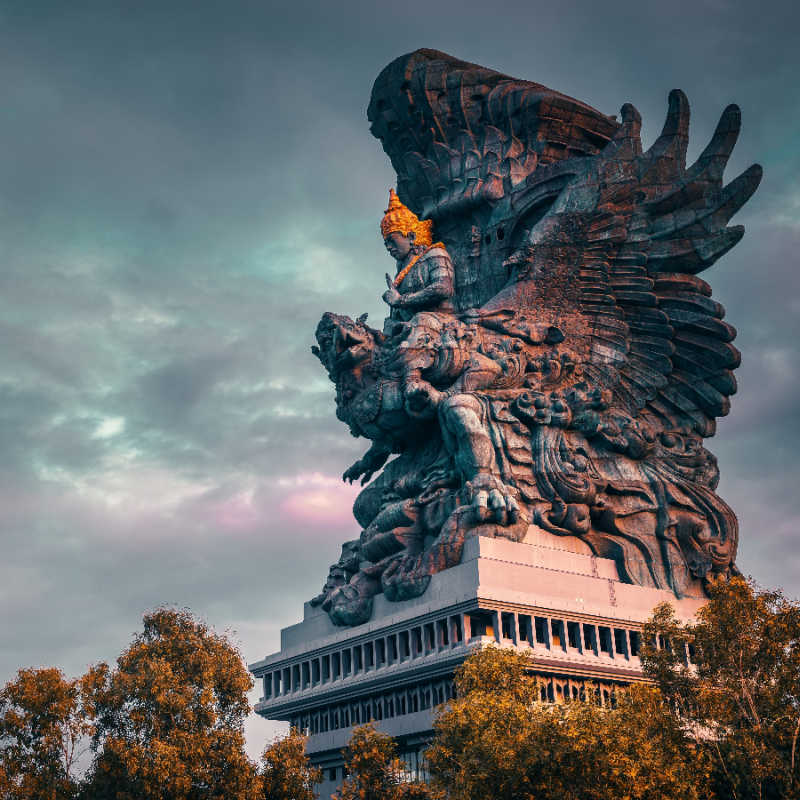
Tourists in Bali this weekend should visit the GWK Cultural Park. Not only is this one of Bali’s leading tourism attractions, but the park is also hosting the biggest cultural festival of the year, and it’s not to be missed.

To celebrate Galungan and Kuningan, which will fall on 19th November to 29th November 2025, the GWK Cultural Park is hosting its Penjor Festival until 1st November.
The Operations Director of the GWK Cultural Park, Rossie Andriani, told reporters, “Through the Penjor Festival, we aim to present a comprehensive cultural experience, a place where people can experience the beauty of art, understand the meaning of tradition, and enjoy a Balinese celebration with their families. This demonstrates GWK’s commitment to continuing to be a platform for cultural preservation and a living space for local artists and MSMEs.”
Andriani added, “We express our deepest gratitude to the Regent of Badung Regency and all levels of the local government who have provided extraordinary support for the implementation of the 2025 Penjor Festival. This synergy is clear evidence that the preservation of Balinese culture can be stronger when the government and the community are united in the same spirit.”
GWK Cultural Park’s Penjor Festival brings together cultural pride, familial warmth, wisdom, and a sense of celebration to all who attend. While the main festival itself will be held until 1st November 2025, with the sacred Balinese Hindu celebrations of Galungan and Kuningan set to be honored until the end of the month, festival activities and the penjors will be on display at the GWK Cultural Park all this month.
This weekend’s celebrations will include a range of cultural competitions, including a mini ogoh-ogoh competition. Typically, ogoh-ogoh are created as part of Nypei Day celebrations. The night before Bali’s holy day of silence, the fierce and often demonic-looking effigies are run through the streets of Bali to ward off evil spirits. Communities often spend months creating the ogoh-ogoh, and as a result, many are now not burned on the eve of Nyepi, but are preserved and exhibited in galleries around the province and around the world.
The GWK Cultural Park Penjor Festival event will conclude with an exceptional performance by Sanggar Saba Sari and musician Bagus Wirata.
The “My Melali GWK Market” area will also feature a variety of local culinary delights and creative products, providing a wholesome experience for visitors to explore and savor the best of Bali’s flavors and craftsmanship.
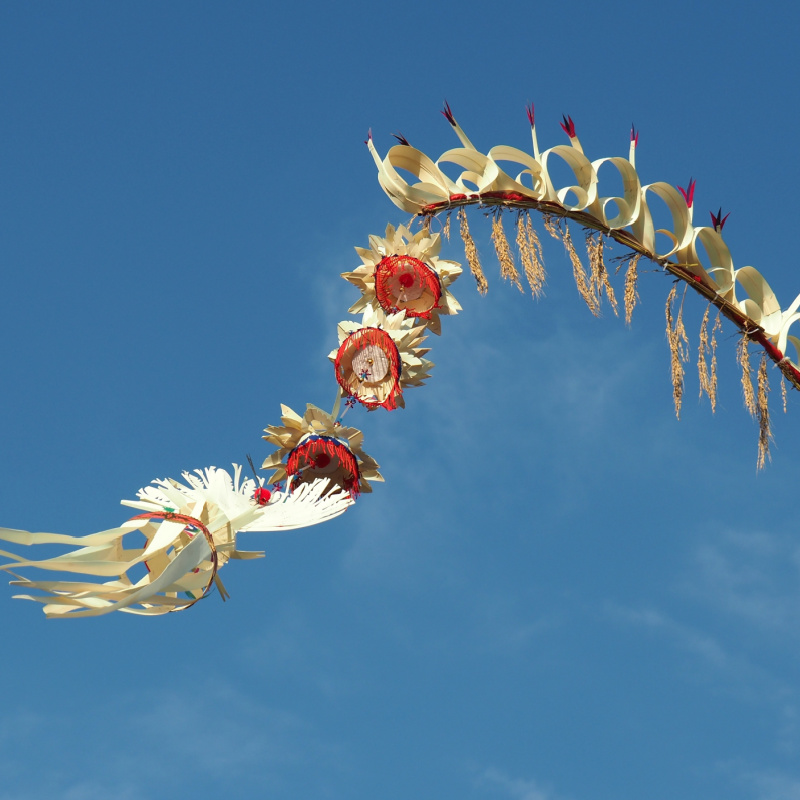
The penjor is the most famous element of the Galungan and Kuningan festival. The tall and beautiful decorated bamboo poles adorn every street.
Typically, every family will raise a penjor outside their home. The penjor is a symbol of prosperity and is often kept in place long after the festival is complete.
General admission entry tickets to the GWK Cultural Park include access to all Pnejor Festival special programming, and it is an event for the whole family. The cultural shows, arts and crafts market, and special education events are suitable for children of all ages and are perfect for adults who want to gain a deeper understanding of Balinese culture.
Galungan and Kuningan are two of the most wonderful times of year to be in Bali. The holy festival is observed every 210 days according to the Balinese traditional Pawukon calendar. The first cycle of the Galungan and Kuningan was observed in late April 2025.
The two sacred festivals celebrate the triumph of good over evil, or dharma over adharma. Galungan honors the return of ancestors to the earthly realm, and Kuningan, observed 10 days later, marks the spirit’s return to the ethereal. Tourists in Bali during Galungan and Kuningan may be invited to join families or their accommodation hosts in festival celebrations. This can include prayer rituals and temple ceremonies, or village customs like being visited by the Barong, or joining in village feasts, especially on Kuningan Day.
Discover more from The Bali Sun
Subscribe to get the latest posts sent to your email.