
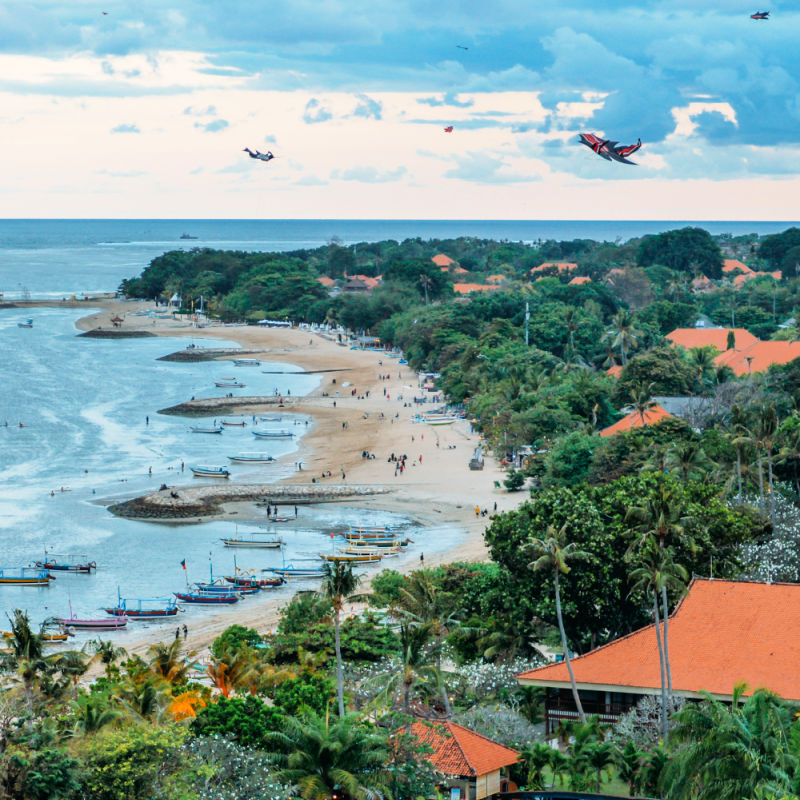
Tourists visiting Bali’s Sanur this festive season are in with a chance of meeting some of the island’s most endangered species.
The Sanur Turtle Village Hatchery is one of the most underrated attractions in Sanur and is doing vital work to support the conservation of this ancient species.
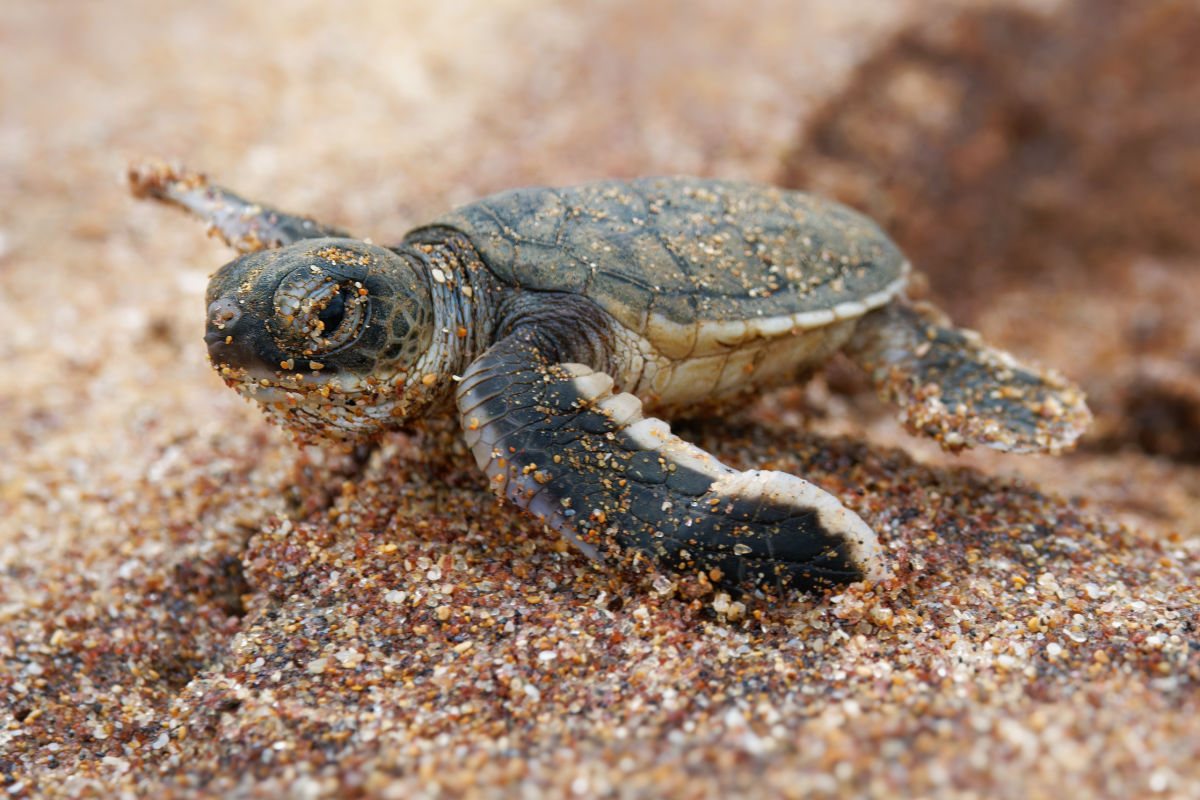
The Sanur Village Turtle Hatchery is one of Bali’s smaller and lesser-known turtle conservation facilities. The hatchery, located in Penyu Village, is free to enter and is open daily from 8 am to 6 pm. Donations are, of course, welcome and encouraged to support the work of this grassroots conservation initiative.
Visitors can enjoy a short tour of the Sanur Village Turtle Hatchery and observe the turtles in their hatcheries and pools. Since this is a facility dedicated to the conservation and re-wilding of these turtles, visitors are not permitted to touch, feed, or interact with the turtles.
The Sanur Village Turtle Hatchery works with the Natural Resources Conservation Agency (BKSDA) in their turtle care and conservation efforts. The turtles in the hatchery are rescued from areas around Sanur Beach and from nests in the area. Most of the turtles in the hatchery are between 2.5 and 3 months old.
Speaking to reporters, turtle keeper Kadek explained that the green turtle species in captivity needs a long time to reach adulthood and be able to lay eggs. He explained, “Turtles can only lay eggs when they are around 15 to 20 years old. They can grow up to 1.5 meters tall.” He confirmed that the hatchery is also stewarding around 200 turtle eggs, but that statistically only 40% are expected to survive.
This is because turtle eggs and turtle hatchlings are extremely environmentally sensitive. Kadek explained, “During the rainy season, usually only around 40 percent of the eggs can hatch because the humidity is high.”
Almost all of the turtles in the Sanur Village Turtle Hatchery are Green Turtles, though Hawksbill Turtles and Olive Ridley Turtles are also commonly recorded in Bali’s waters and nesting on Bali’s beaches.
Though rare, it is not unheard of to encounter Leatherback Turtles, Loggerhead Turtles, and Flatback Turtles in the waters off Bali. Though spotting these during a dive is considered extremely lucky indeed, it is dependent on migration patterns and seasonal fluctuations.
Kadek confirmed that Sanur Village Turtle Hatchery is committed to ensuring the turtles return to the wild as soon as they are ready. He concluded, “When the time comes, they will definitely be released into the sea. Sometimes there are events and the public is allowed to watch.”
Tourists who book scuba diving and snorkelling experiences in Bali, Nusa Penida, Nusa Lembongan, and Nusa Ceningan, as well as on the Gili Islands and in Lombok, can hedge their bets that they will encounter a wild turtle or two during their trip.
However, it is vital that tourists behave respectfully when encountering wildlife in Bail…in fact, anywhere in the world; whether on land or in the water.
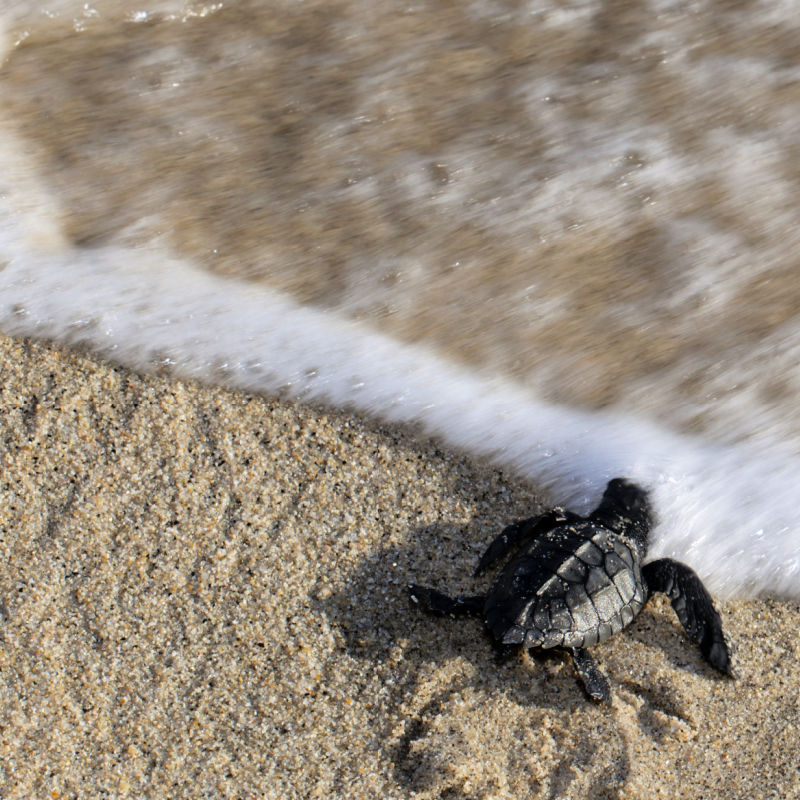
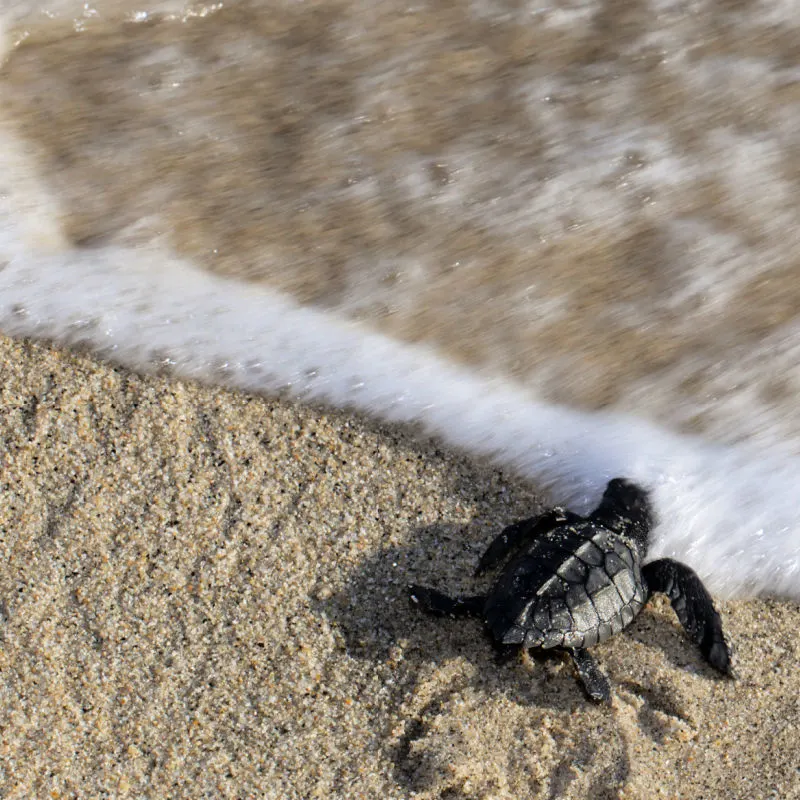
Last month, there was righteous outrage amongst Bali lovers after footage circulated online of a tourist kicking and stomping on a turtle during a snorkelling trip off the Gili Islands.
The tourist, who is wearing shoes in the water, can be seen stepping on the back of the Green Turtle, which is slammed into the ocean floor.
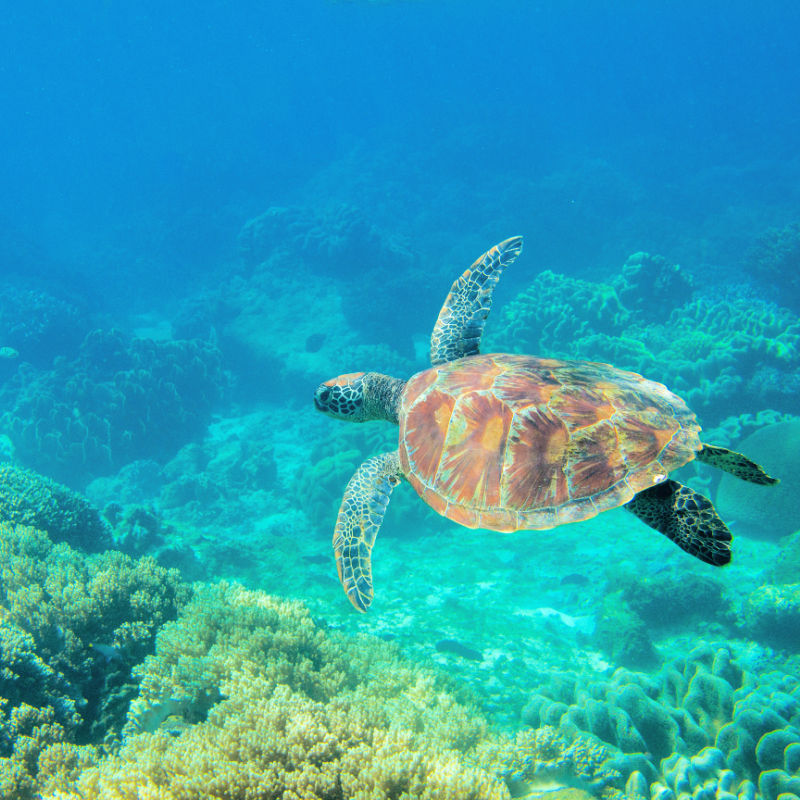
Tourists are encouraged to do their research and book snorkelling and dive trips with reputable providers who pick dive spots that are less busy, and who take time to educate guests about the proper etiquette in the water.
The same rules apply for snorkelling with Mantra Rays in Nusa Penida. Tourists must keep at least 5m away from the wildlife in the water, do not touch the wildlife, do not create a disturbance in the water, including not following and chasing, and give wildlife the right of way.
Discover more from The Bali Sun
Subscribe to get the latest posts sent to your email.