
Property developers in Bali have noticed a shift in the demands and wishes of tourists and foreign investors regarding the placement and design of private villas, apartments, and other residential properties.
Demand for properties that are eco-friendly, surrounded by greenery, and, most importantly, in flood-free areas is skyrocketing.
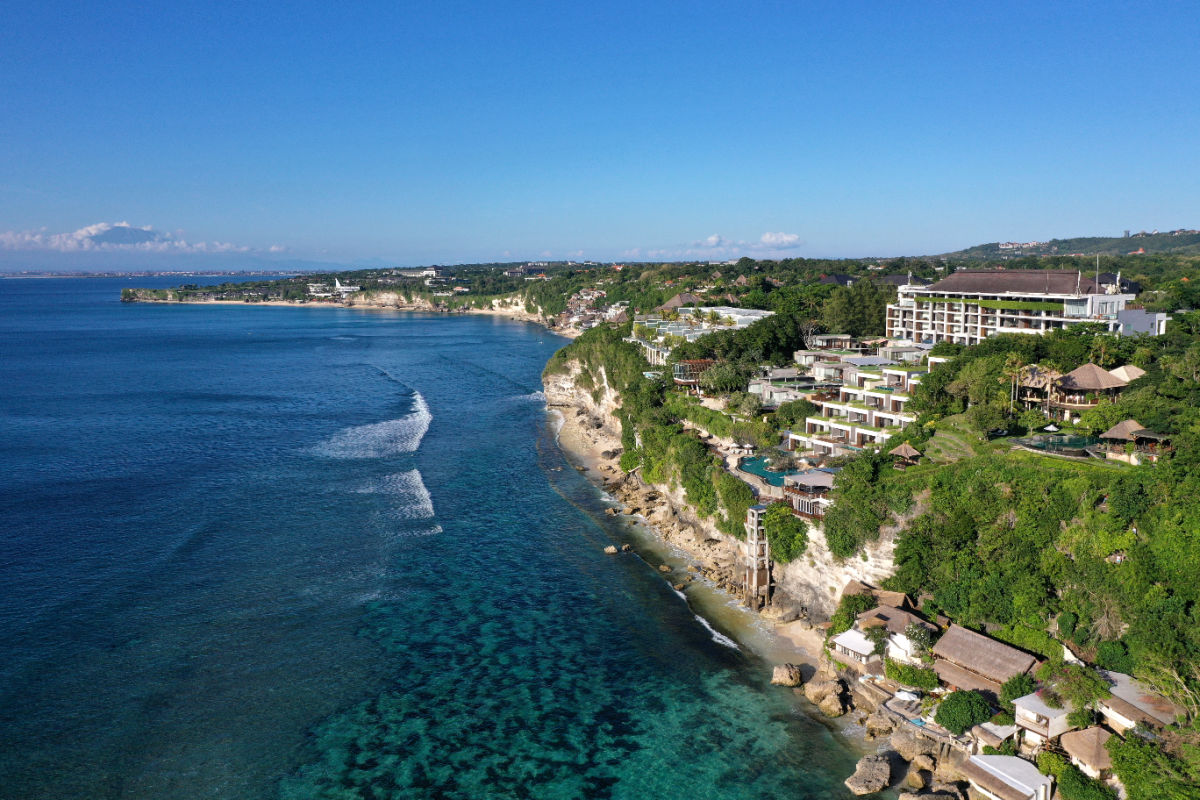
The Director of property development company Miraland Bali, Wayan Sudarma, spoke with reporters about the trends he and his teams are seeing. His comments came focused mostly on developments in the Bukit Peninsula, around Uluwatu, Ungasan and Kutuh.
He revealed that in 2024, Miraland Bali managed to sell all 23 of their units in the Ulwuatu area, known as the Samani Villa Complex Pecatu, within four months.
He noted that the green surroundings and flood-free nature of the landscape were the key selling points for investors.
Sudarma told reporters “The green area has become a unique characteristic because today’s tourists are smart, they want a green environment, lots of yard space, wide roads, good drainage, free from flooding.”
The Samani Villa Complex, for example, implements an eco-living concept throughout the property with 30 percent green and most importantly sloping areas, so that good drainage will smooth the flow of water to prevent flooding.
Sudarma was clear that demand for private villas whether for tourist vacations or for long-term international residents, will continue to rise.
He told reporters “If you stay in a hotel, you have to share, for example, the swimming pool and restaurant, while in a villa everything is private and only they and their family can enjoy it, that’s why the need for villas continues to increase.”
With this in mind, however, prices are likely to increase dramatically as demand rises further. He feels that even more foreigners will be investing in vacation properties in the area in the year to come.
Sudarma explained, “So tourists now want to buy a villa not only for a luxury home but also a comfortable residence and has future prospects because the investment value continues to rise.”
He did confirm, however, that at the Samani Villa Complex specifically, the vast majority of investors were Indonesian, based in Jakarta and Bandung, who then chose to rent these properties to foreign nationals.
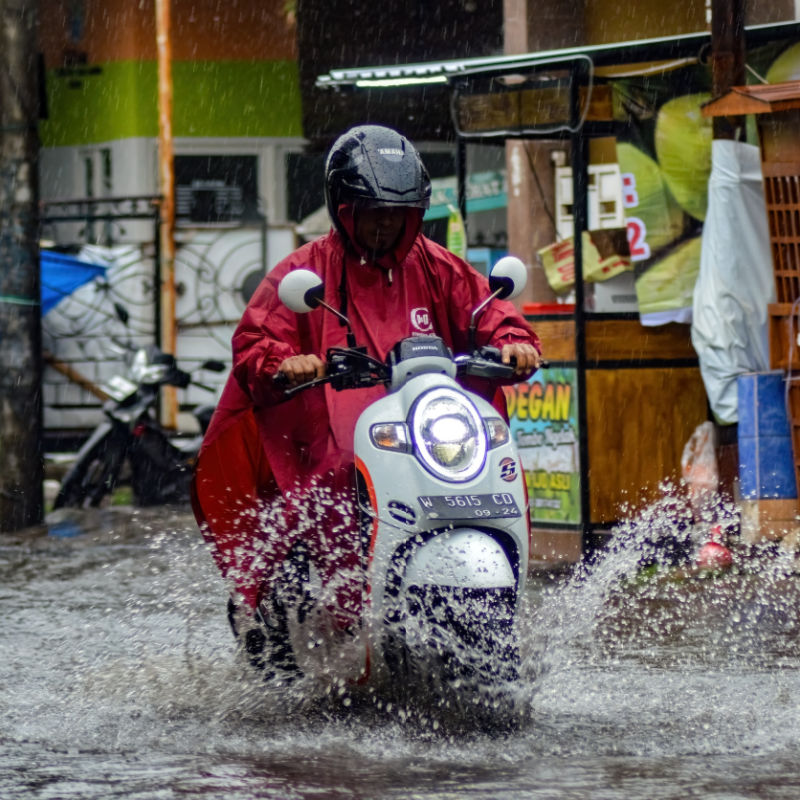
The notion of building eco-friendly and flood-resistant properties in Bali is pertinent right now. As the province is facing one of the most impactful monsoon seasons in recent history, widespread flooding has been affecting local communities and top tourism resorts.
It has long been a point of public discussion that rapid tourism development in Bali, along with poorly thought-out long-term spatial planning and a lack of investment in supporting infrastructure, has created a perfect storm for natural disasters such as flooding to become an increasingly frequent threat.
As working rice paddies across resorts like Canggu and Ubud are converted into commercial properties, a series of consequences are now being felt.
The working rice paddies provided not only vital food crops but also essential water retention qualities managed by the UNSECO-protected Subak system of Bali, which helps manage water flow across the landscape.
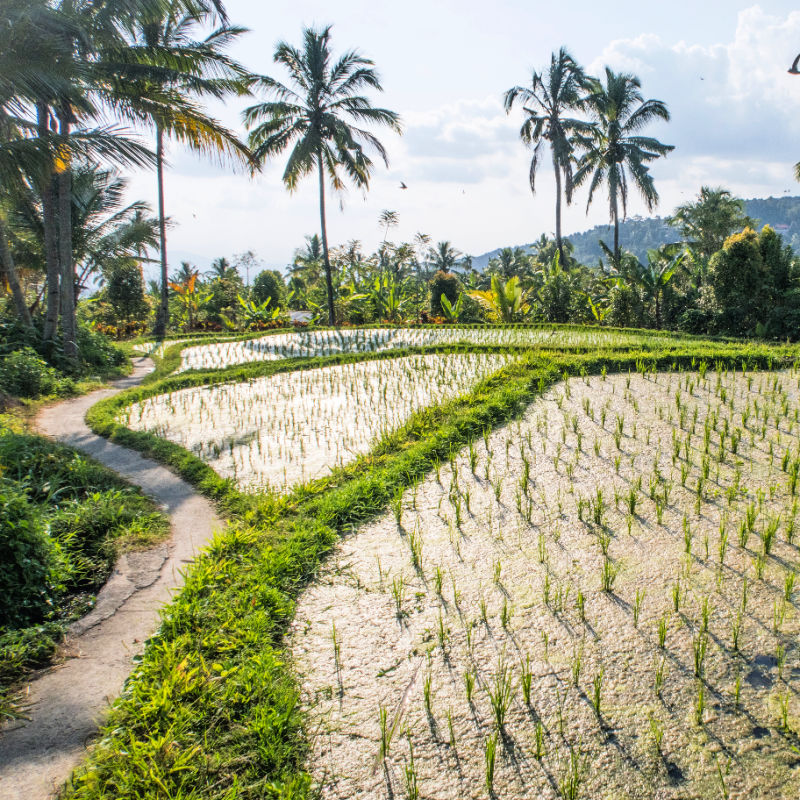
As that water carrying capacity is reduced almost overnight, and without investment in the surrounding drainage and sewerage systems, flood risks increase dramatically, as the water has nowhere to go and cannot soak through concrete.
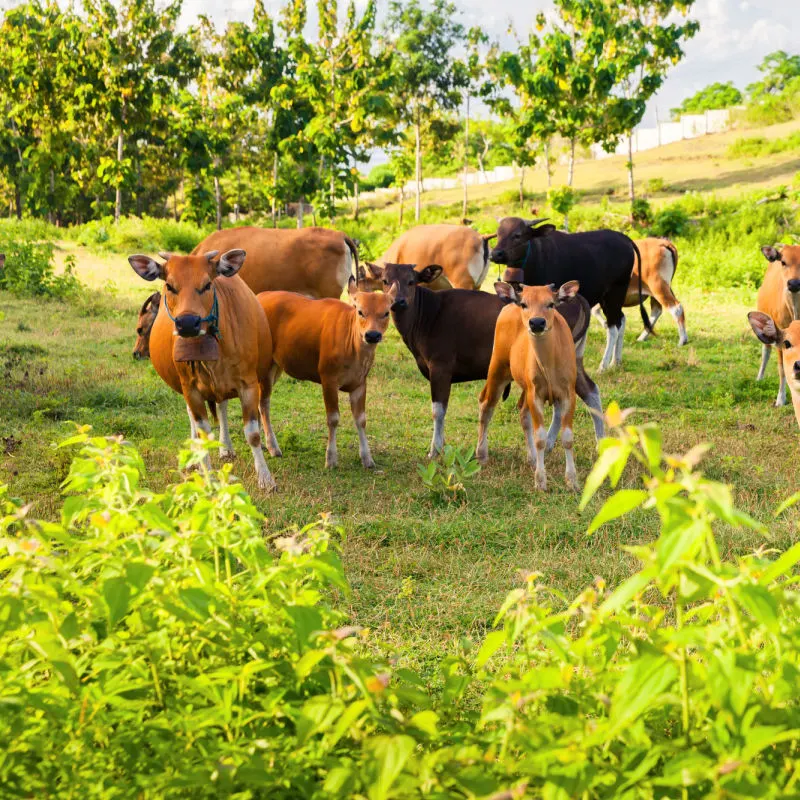
This has been an issue that has been recorded in older resorts like Kuta, Legian, and Seminyak for years, but as development spreads through Canggu towards Seseh and beyond. Flooding is also now being recorded across areas in Uluwatu, though the landscape was traditionally used more for agricultural grazing than it was crop production.

So, what are the implications for tourists and holidaymakers as the demand for villas and private holiday rental properties grows?
It’s likely going to mean that tourists will have to be prepared to pay more for holiday rentals that are surrounded by greenery, and that are located in areas that have had climate risks better mitigated.
It will also require tourists to book their chosen accommodation as soon as possible as the best properties will continue to be snapped up quickly.
Discover more from The Bali Sun
Subscribe to get the latest posts sent to your email.