
Long before tourism was the most important and influential business sector in Bali, farming ruled the roost.
In fact, farming is still the most important business sector in Bali, but as economic trends shift the focus to other areas of development, it’s easy for everyone to overlook the importance of food and farming.
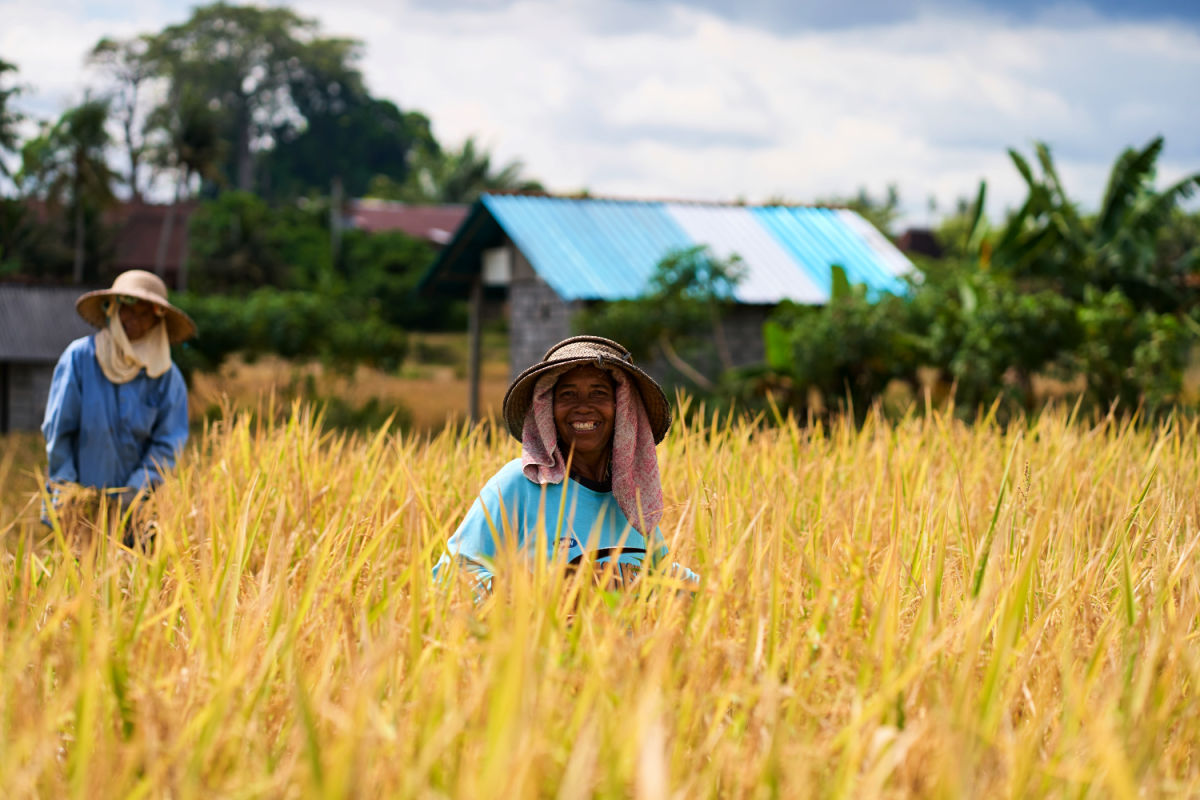
Balinese farmers, especially those in the Kintamani region, are being called to take greater ownership of the immense potential they are working with. Bali’s got a huge market for agricultural products, and it’s not just fresh produce.
From tea and coffee to skincare ingredients and natural dyes, farming could easily become the face of Bali’s tourism sector alongside culture and the natural landscape.
Speaking to reporters, I Gusti Ngurah Rai Suryawijaya, Chairman of the Indonesian Hotel and Restaurant Association (PHRI) Badung, explained how Balinese farmers and the hospitality and tourism sector must work together even more closely.
He noted that agricultural products from outside Bali still flood into the kitchens of hotels, restaurants, and middle-class households. He stated, “It’s actually very simple. These local products must be a priority.”
Suryawijaya told reporters that consistency is the factor that has led the tourism industry to hesitate to prioritize local agricultural products. He noted, “Quality, competitive prices, and continuity must be maintained—don’t let it be that one week (supply) is available, the next day it’s gone. So that doesn’t happen.”
He concluded by calling for improved cooperation and systems thinking between farmers through to consumers, via the tourism and hospitality sector, sharing, “We need systematic management, involving local government-owned enterprises (Perumda), cooperatives, or whatever—something that can mediate the production of our farmers.”
For farmers in Kintamani, there is a wealth of opportunity at their feet. Eco-tourism initiatives and agro-tourism initiatives are in increasing demand from both domestic and international tourists as travelers seek to reconnect with nature and improve their health and wellness.
The Indonesian Ministry of Tourism has recently announced that the promotion of gastronomy, wellness, and maritime tourism experiences in Bali and across the archipelago is a key focus area in 2026 and beyond. Tourists planning vacations and travel adventures in Bali and around Indonesia will see more promotion of gastronomy and wellness experiences, which could well be based in rural farming communities.
These experiences can have either a high-end luxurious feel, like those offered by five and four-star hotels, or a more grassroots energy to them, like the experiences offered by organisations like Astungkara Way.
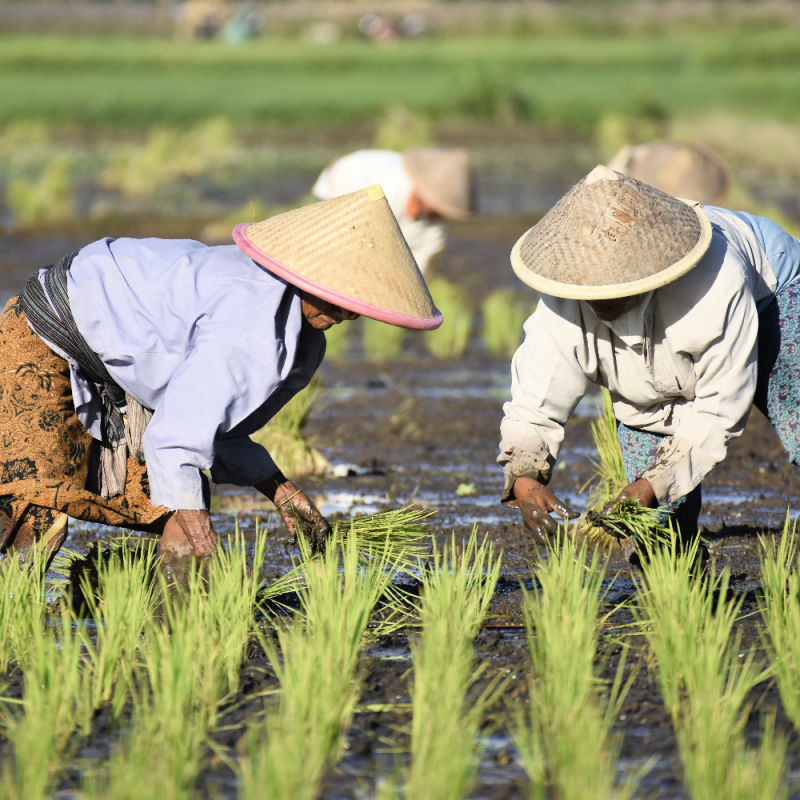
Based in Tabanan Regency, Astungkara Way is committed to walking the path of regeneration in Bali. Offering a huge range of different activities and immersive experiences for tourists, Astungkara Way offers visitors the chance to connect with Bali’s farming communities, culture, and ecosystems.
Guests can visit the farm and enjoy a deep dive into learning about regenerative farming, the traditional rice cycles through a hands-on, feet-in-the-mud immersive day trip. For an even deeper immersion, tourists are invited to book a regenerative trail or an overnight expedition. These trips take tourists into lesser-visited communities around Bali for an authentic cultural getaway, which leaves a positive impact and is genuinely inspiring for all who visit.
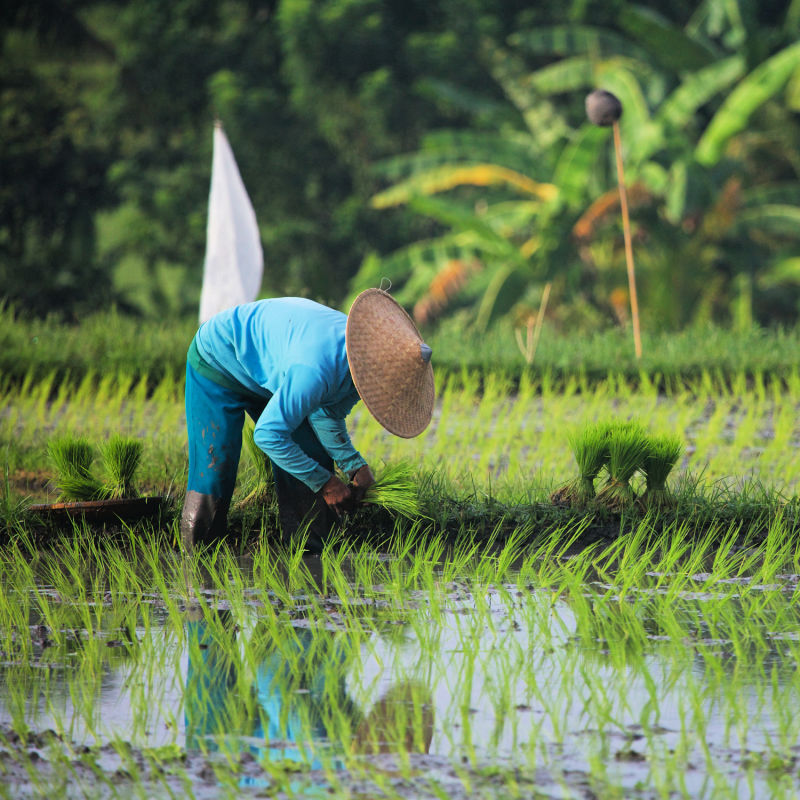
For tourists who prefer the comforts of a five-star resort, there are plenty of hotels that are going above and beyond to create wellness experiences that incorporate healthy food and sustainable farming.
Take the team from Sanggraloka Ubud, for example, who recently spoke to reporters about the efforts being made to promote sustainability within a wellness tourism offering, since both are inextricably linked. There is no human health without planetary health. Sanggraloka Ubud’s General Manager, Komang Kariyana, told reporters how the whole resort area was originally a local vegetable garden fed by the Tukad Oos River.
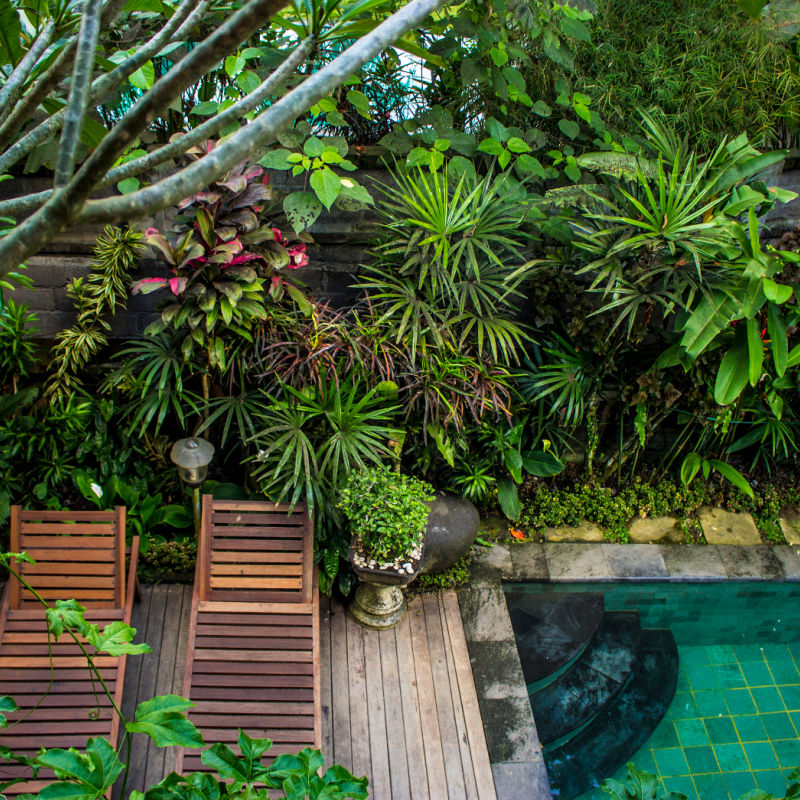
He explained, “It used to be just a vegetable garden with a clear stream. We’ve designed this area to blend in with nature. The approximately 2.5-meter-high waterfall, now a major attraction, emerged naturally after the stones were arranged to form a dam.”
It is these kinds of simple but hugely impactful initiatives, created through the tourism sector, that visitors to Bali will see more and more of in the coming years.
Discover more from The Bali Sun
Subscribe to get the latest posts sent to your email.