

Bali is working to connect the island’s biggest residential areas and tourist hotspots with an efficient, affordable public transport network.
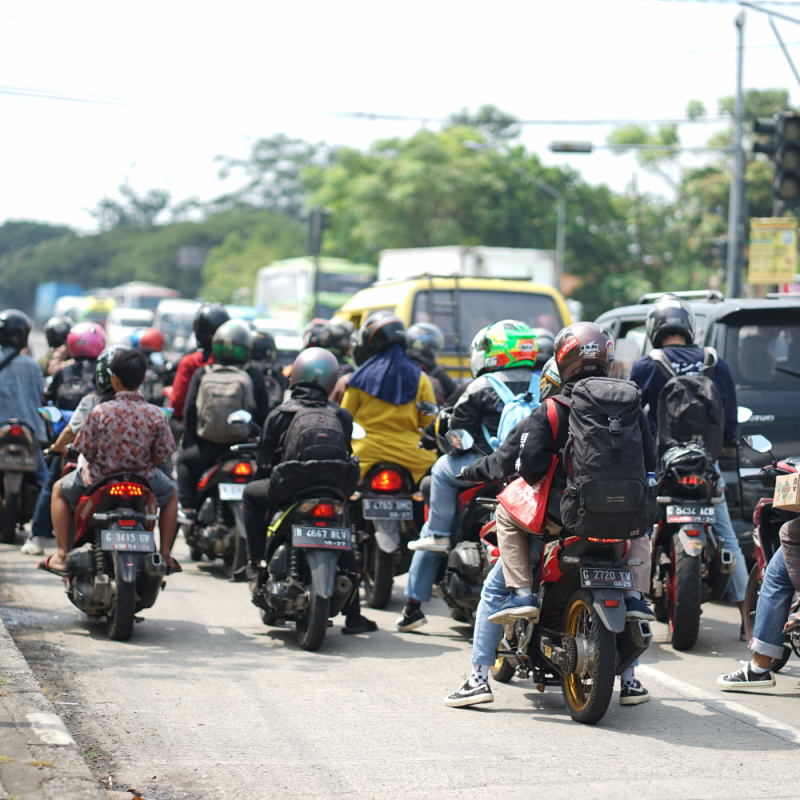
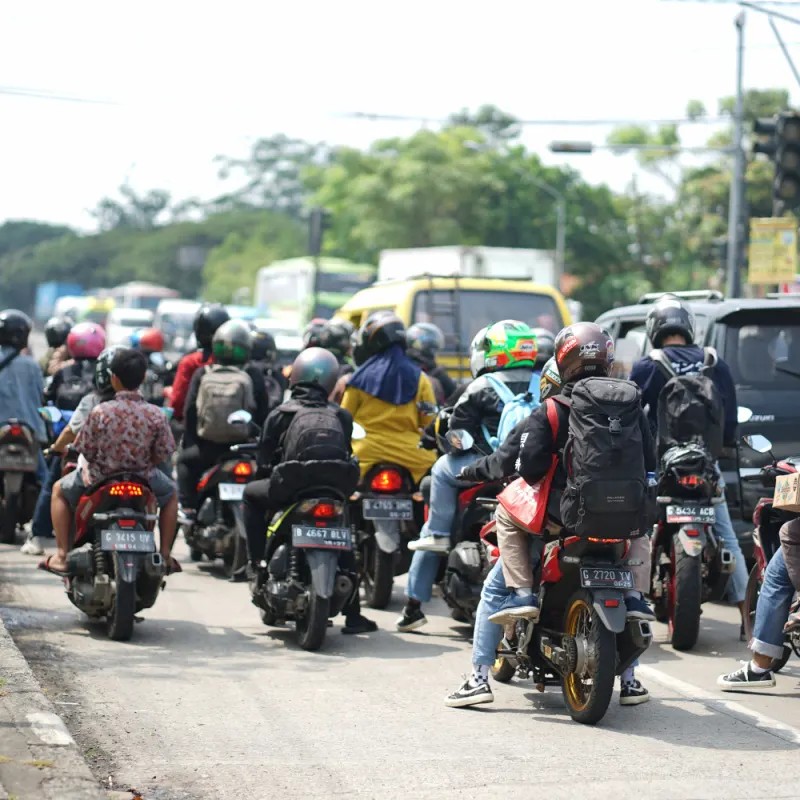
This is also part of an urgent problem-solving plan to help mitigate traffic congestion, which is becoming an ever-increasing stressor across the island.
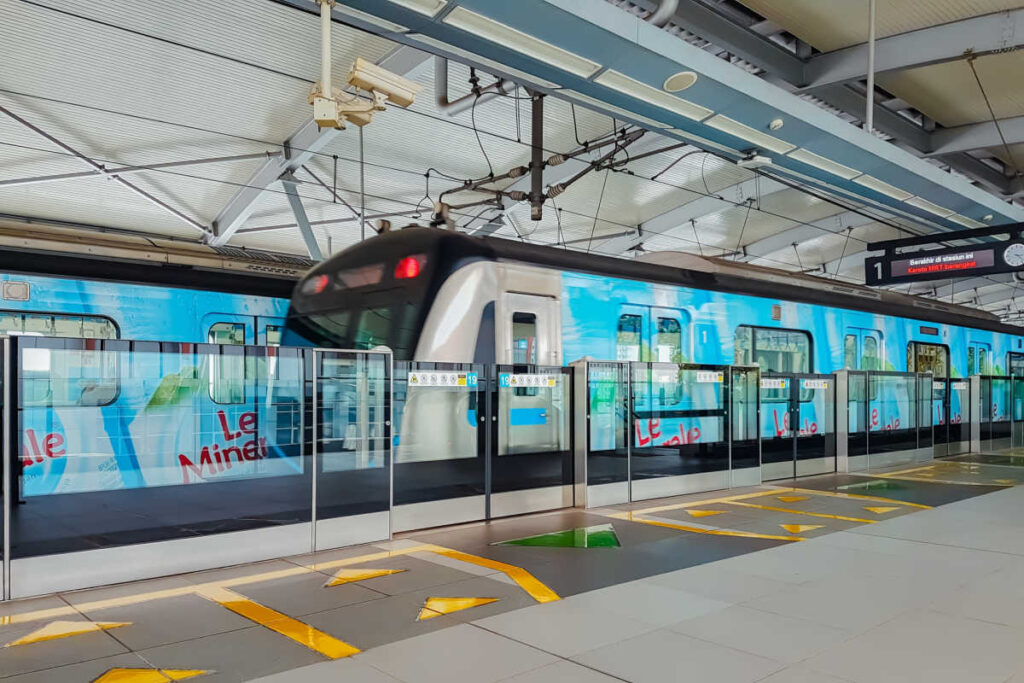
On 1 September, the Bali Provincial Government, together with the Badung Regency Government and PT Kereta Api Indonesia, officially signed a cooperation agreement to develop a battery-based electric tram mass transportation route from I Gusti Ngurah Rai Airport to Canggu to ease traffic congestion and support tourism.
Speaking to reporters, Bali Governor Wayan Koster shared, “Tourist comfort must be maintained. The tram is expected to become a new attraction for Balinese tourism.”
Koster confirmed that the signing of the agreement, which was also attended by the Regent of Badung Wayan Adi Arnawa, the President Director of PT KAI, the CEO of Angkasa Pura, and the Regional Secretary of Badung, was a follow-up to the proposal from the Ministry of National Development Planning and the Bali Provincial Government.
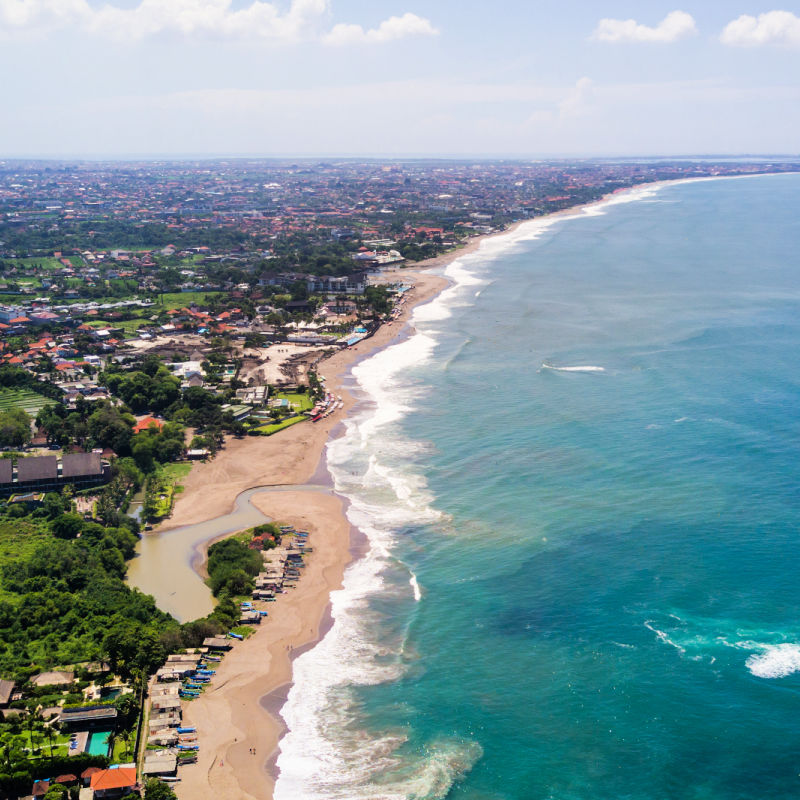
The new electric tram will help transform how people navigate central south Bali, especially between the island’s busiest tourism resorts, from the airport through Kuta, Legian, Seminyak, and on to Canggu. The route, which currently sees 150,000 people and 80,000 vehicles on average, is increasingly congested, which is why this project must get up and running quickly.
Governor Koster added that, in addition to supporting tourism, the 12-kilometer electric tram line will consider proximity to hotels, tourist accommodations, tourist attractions, the environment, villages, and the lives of local residents.
When asked about the impact on the landscape, Governor Koster agreed that the new public transportation infrastructure development should not disrupt Bali’s ecosystem.
He shared, “Transportation development must maintain Bali’s uniqueness, preserve its beauty, support tourism, and not disrupt local life.”
Koster explained that the tram was specifically designed to differ from conventional trains. The tram is small in size, even smaller than a bus, with a width of more than 2 meters; it is quiet, environmentally friendly, and free of floating cables because it is battery-based.
As per the agreement, the electric tram is projected to have a travel time of 30 minutes with a departure interval of 10 minutes. The tram is expected to transport up to 60,000 passengers per day, accommodating 40% of the area’s mobility needs.
Most importantly, the team confirmed that groundbreaking on the project is planned to take place in March 2027, with the first route expected to start operating in 2028 and the entire route up to Canggu to be fully completed in 2029.
The President Director of PT Kereta Api Indonesia (Persero), Bobby Rasyidin, stated that his party would prioritize the cultural, environmental, and social aspects of the Balinese people from the outset of planning. He shared, “Transportation infrastructure must be developed carefully; technological advances must not diminish Bali’s identity and harmony.”
The transportation plans set to help transform Bali’s top tourist destinations were outlined in broad detail last week by the Regent of Badung, Wayan Adi Arnawa.
He told reporters that in addition to the tram line, new roads and better parking facilities will help keep south Bali moving for many years to come.
Regent Arnawa told reporters, “The Kuta -Canggu tram development plan is designed to be directly integrated with the regional road infrastructure currently under construction.”
Adding, “Besides toll roads, which remain a priority, building rail connectivity is far more effective. All main roads in Badung will be dedicated to dedicated lanes. This plan will also be implemented in the Nusa Dua area and Kuta Central Parking.”

He concluded, “We hope that close synergy between regional governments, the central government, and state-owned enterprises such as PT KAI can accelerate the realization of a modern, safe, and comfortable public transportation system.”
Discover more from The Bali Sun
Subscribe to get the latest posts sent to your email.