
2026 is here, and with Bali confirmed to have smashed international tourism targets for 2025, the question of sustainability, tourism development, and cultural preservation is hitting headlines once again.
Bali has experienced rapid growth in tourism, and the undeniably negative side effects are being highlighted by top leaders in the province.
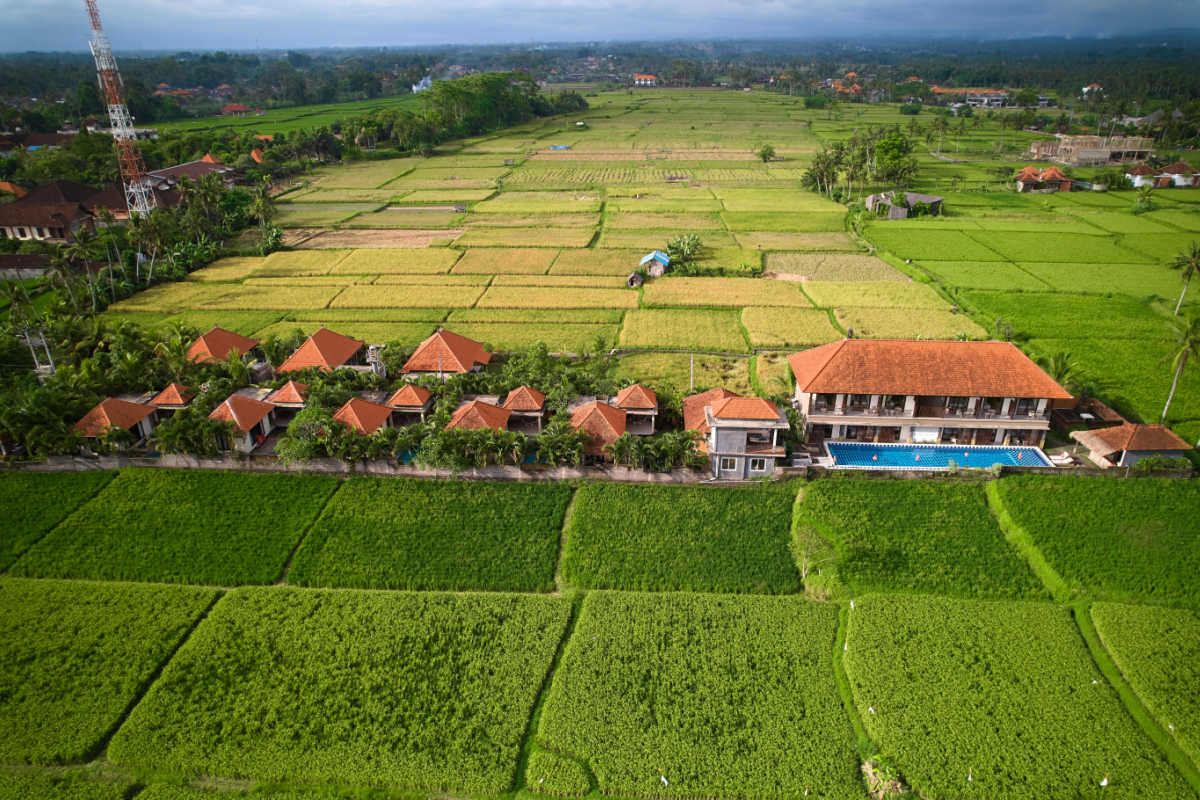
For centuries, Bali has been an agricultural island. From ridge to reef, the volcanic island’s fertile soils have grown produce that has fed local communities and been exported around the world.
The harmonious relationship to the land and the natural world is deeply embedded in Balinese culture through the philosophy of Tri Hita Karana.
The island’s landscape is still managed by a unique water flow system known as the subak. This water management system controls the flow of water from the source through to the ocean, allowing for rice fields to be strategically flooded during the growth cycle, and for water to be held or channelled during the dry and rainy seasons to prevent drought and flooding.
While agriculture is still a vital part of provincial life, tourism has rapidly taken centre stage. Tourism development over the last five years has increased exponentially and is now expanding into even more areas, primarily used as agricultural land.
This rapid conversion of agricultural land into commercial properties has caused a steep decline in the amount of land available for rice farming, and without sufficient infrastructural developments to support this land conversion, there has been an increase in flooding, landslides, and traffic congestion, to name but a few of the issues faced by local residents.
Local economist and lecturer Prof Dr Ida Bagus Raka Suardana has spoken to reporters about the impact the rapid conversion of agricultural land into tourism developments is having on Bali’s landscape. Citing data from the BPN, Prof Suardana confirmed that 6,521 hectares of productive agricultural land, or 9% of Bali’s farming landscape, were lost between 2019 and 2024.
Looking at the data more closely, Denpasar has seen a 38% decrease in rice paddies during that 5-year period, recording the highest amount of land lost, followed by Gianyar Regency, home to destinations like Ubud, and Tabanan Regency, which is known for its cultural landmarks like Tanah Lot Temple and the Jatiluwih Rice Terraces.
Prof Suardana shared, “Meanwhile, in Badung Regency, the conversation of productive land has increased from 26% in 2020 to around 348 [new] hectares of conversation in 2024, indicating an acceleration in the conversion of productive land to tourism and property projects.”
It is not only the conversion of farming land into tourism developments that is driving the change, but also increasing demand from investors for land for residential property projects.
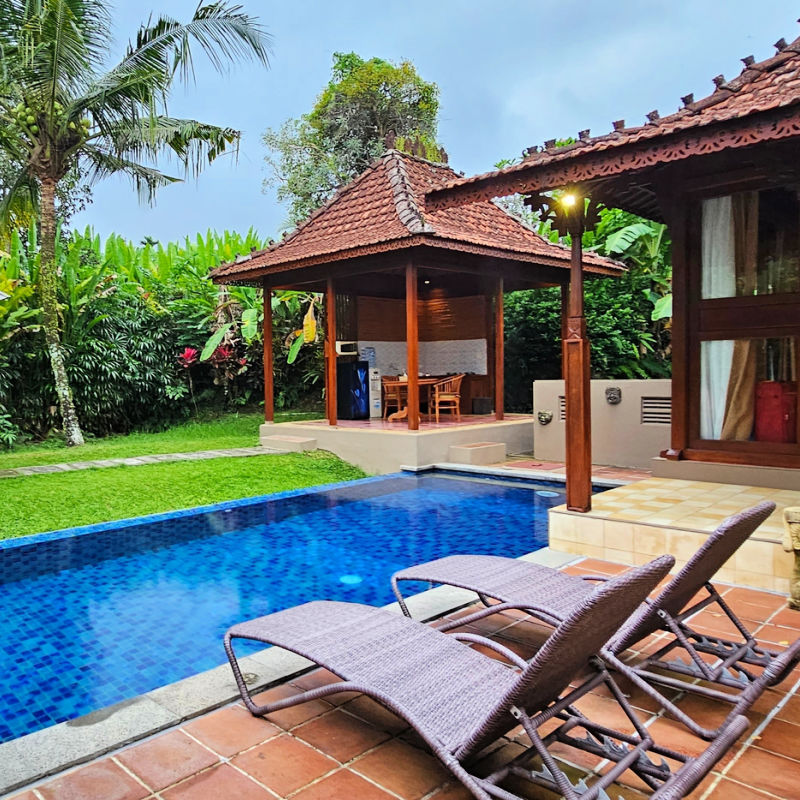
With Bali having welcomed 7.05 million international tourists in 2025, it is clear that demand for travel and investment properties in the province is showing no sign of slowing down.
Leaders in Bali have yet to announce tourism targets for 2026, but with growth the top priority for many influential figures in the province, a target of 7.5 million international arrivals in 2026 doesn’t seem too far-fetched an estimate.
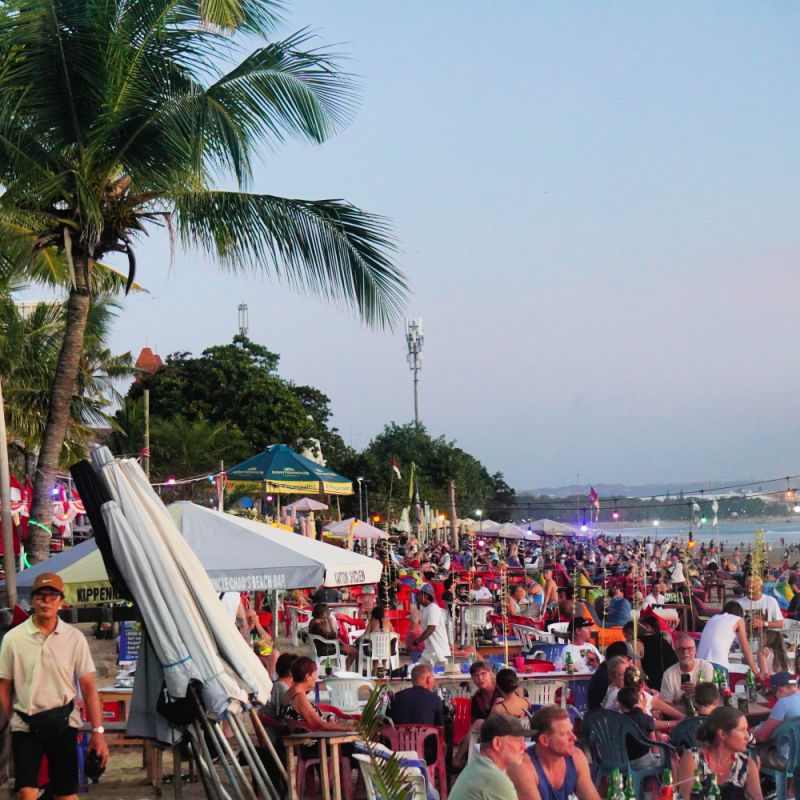
The discussion around sustainability vs growth at all costs has been a top topic over the last decade in Bali. The situation has even prompted policymakers to intervene, though new legislation has yet to have much of an effect on the situation.
As Prof Suardana explained, “New policies such as the Bali Governor’s Instruction Number 5 of 2025, which prohibits the conversion of agricultural land, were deliberately issued to curb the rate of conversion and maintain food security amid pressure from the tourism industry.”
However, the policy banned the issuance of new building permits in specific areas of the province. But with the Online Single Submission System issuing permits for major projects via the central government and with dozens of big developments already granted building permissions, the new legislation is yet to have a meaningful impact.

As Bali rolls into 2026, it remains to be seen if the tide can turn on the wave of unsustainable tourism and urban development that’s impacting the agricultural landscape.
Tourists visiting the island can support environmentally conscious businesses, including hotels and tour companies that are working to preserve and promote local culture and establish sustainable and regenerative tourism models that create memorable travel experiences for tourists and safeguard Bali for future generations.
Discover more from The Bali Sun
Subscribe to get the latest posts sent to your email.