
Bali’s Ubud is considered to be the arts and culture capital of the island. For tourists visiting the town, there is so much to see and do, from visiting palaces, temples, and attending cultural shows.
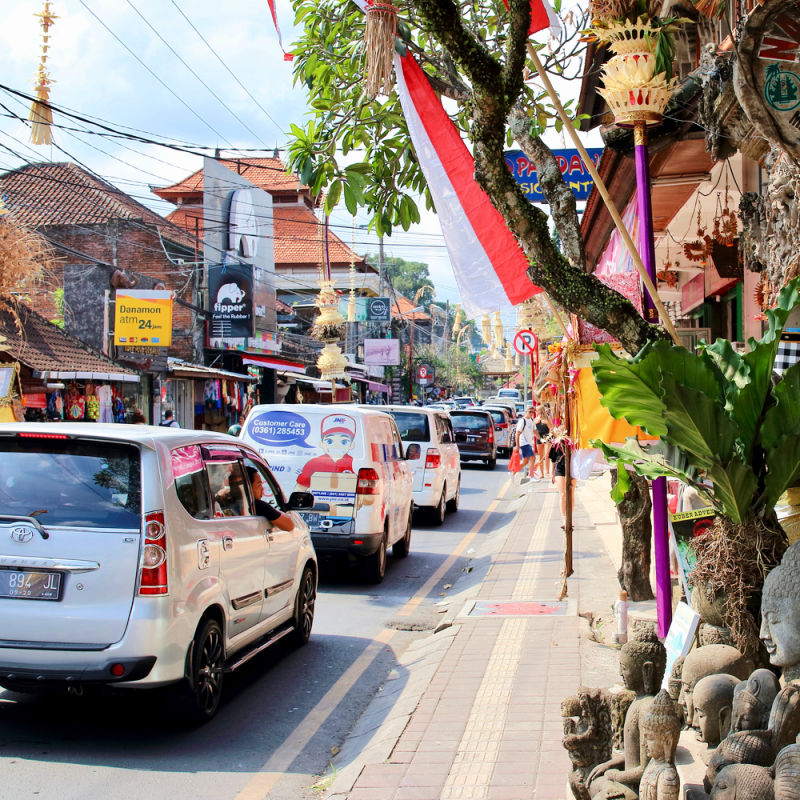
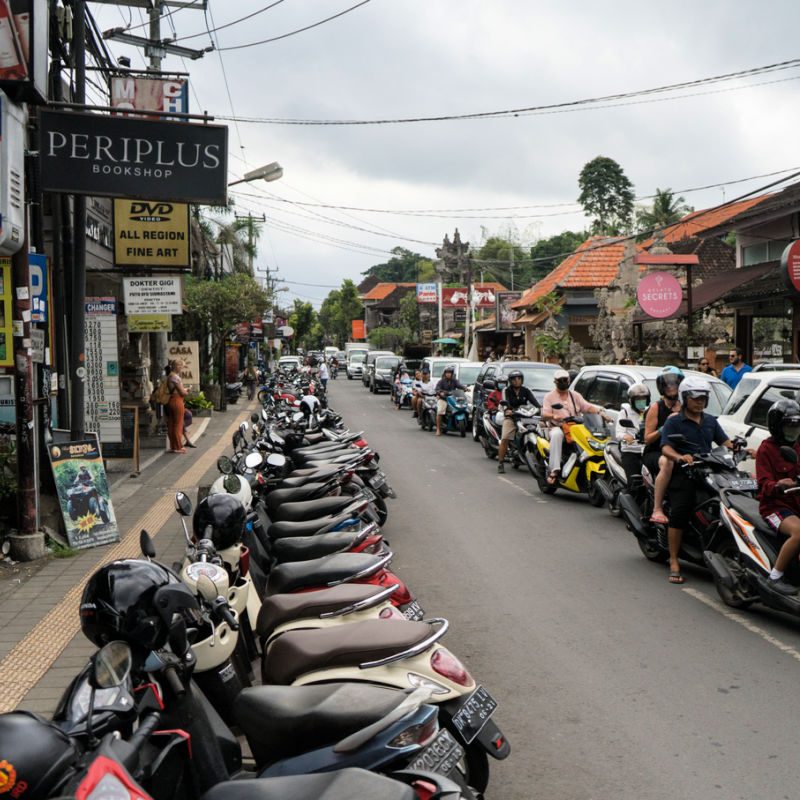
As Ubud soars in popularity, so too do its problems with traffic congestion.
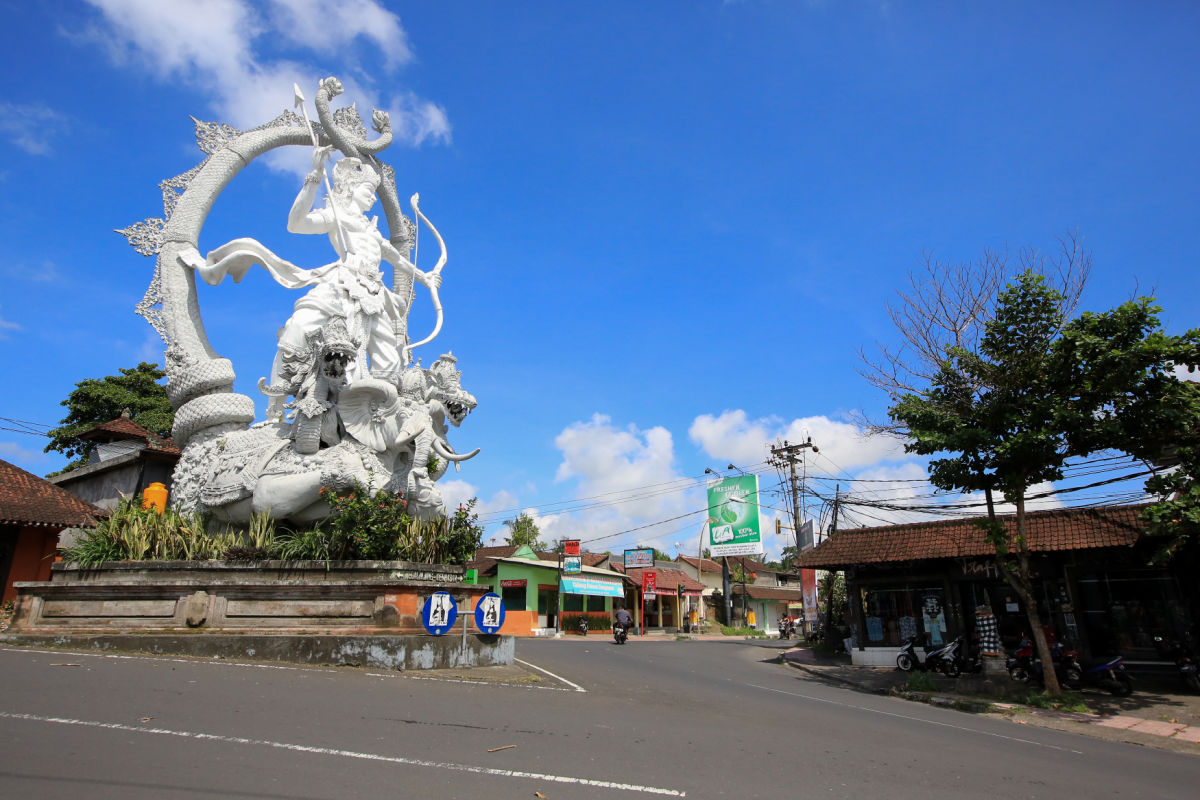
Ubud was simply never designed to facilitate this many visitors. The ancient trading post has been a bustling hub of activity for centuries, yet the area has never had to cope with so many vehicles, nor so many people.
As Ubud welcomes an increasing number of tourists, leaders are seeking to find affordable and impactful ways to tackle traffic congestion. At peak travel times, during morning rush hour and the afternoon peak travel flow, it is not uncommon for Ubud to be in a state of gridlock.
Over the last few years, a series of different solutions have been tried, including cracking down on illegal parking, implementing new one-way systems, trialing more public transportation, and positioning more traffic officers at strategic points, but nothing has made a lasting impact on local residents and visitors.
It has got to the point where local residents living in central Ubud, and in the villages surrounding the town, such as Penestanan and Sayan, are avoiding the town centre at all costs, no matter the time of day.
The Regent of Gianyar, Made Mahayastra, has confirmed that big plans are underway to help tackle this issue once and for all, to ensure that local residents can move around freely in their daily lives, and that tourists can travel efficiently on day trips and vacation itineraries.
Regent Mahayastra told reporters that there is no single reason why the traffic congestion issue in Ubud is as troublesome as it is, rather that there are multiple factors that all need to be addressed. He noted, however, that one of the biggest issues is the sheer volume of traffic entering the town’s streets from all angles.
Regent Mahayastra told reporters, “Our road condition is small. While there is an increase in vehicles. Although this widening cannot reduce 100 percent of traffic jams, but it can be 10 to 30 percent.” Now the Regency Government are focusing on reducing traffic congestion in the worst affected areas.
The Arjuna Statue Intersection has been identified as a high priorirty area and now teams are working on plans to widen the road on Ambengan Street to help accommodate more vehicles.
The road widening project is no small feat. The planned widening of the road is 3-4 by meters which could only be achieved by demolishing of a number of buildings on Ambengan Street, including Bale Banjar Ambengan.
The Regent confirmed that residents’ houses and Bale Banjar Ambengan will be affected by the widening of this road. Demolitions of private properties and homes will be required. Land clearance budgets have been set in the tens of billions of rupiah according to local reports.
Once the road widening is completed, it will be opened into both directions so that the traffic flow is smoother.
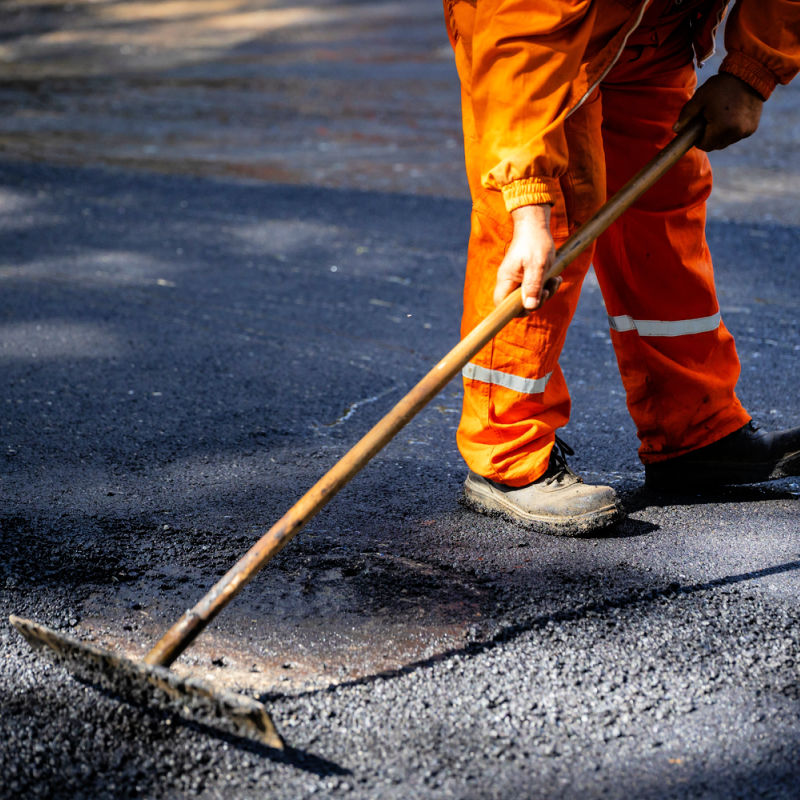
The road widening will not only be in effect on Ambengan Street, but will also be carried out at a number of other strategic intersections in the Ubud area.
In terms of the demolition of Bale Banjar Ambengan, the Regent of Mahayastra confirmed that he would build a replacement building in the north, on land owned by the Gianyar Regency Government. “Now it has entered the appraisal and payment stage. As soon as it is finished, we will immediately do it.”
The Head of Banjar Ambegan, Ida Bagus Putu Erawantara, told reporters that he had received the socialization of the banjar bale demolition plan. He revealed that in principle, the community have agreed. He told reporters, “We already have a new bale banjar. So what was evicted was only an old building. The point is, our community supports this road widening program.”
Discover more from The Bali Sun
Subscribe to get the latest posts sent to your email.