

Bali is a province that is many things to many people. To more than 4 million people, this province is home.
For more than 7.5 million international travelers every year, this island is the vacation destination of dreams, and for more than 150,000 foreign workers, investors, business owners, and spouses, it is the place where they have created a new life abroad.
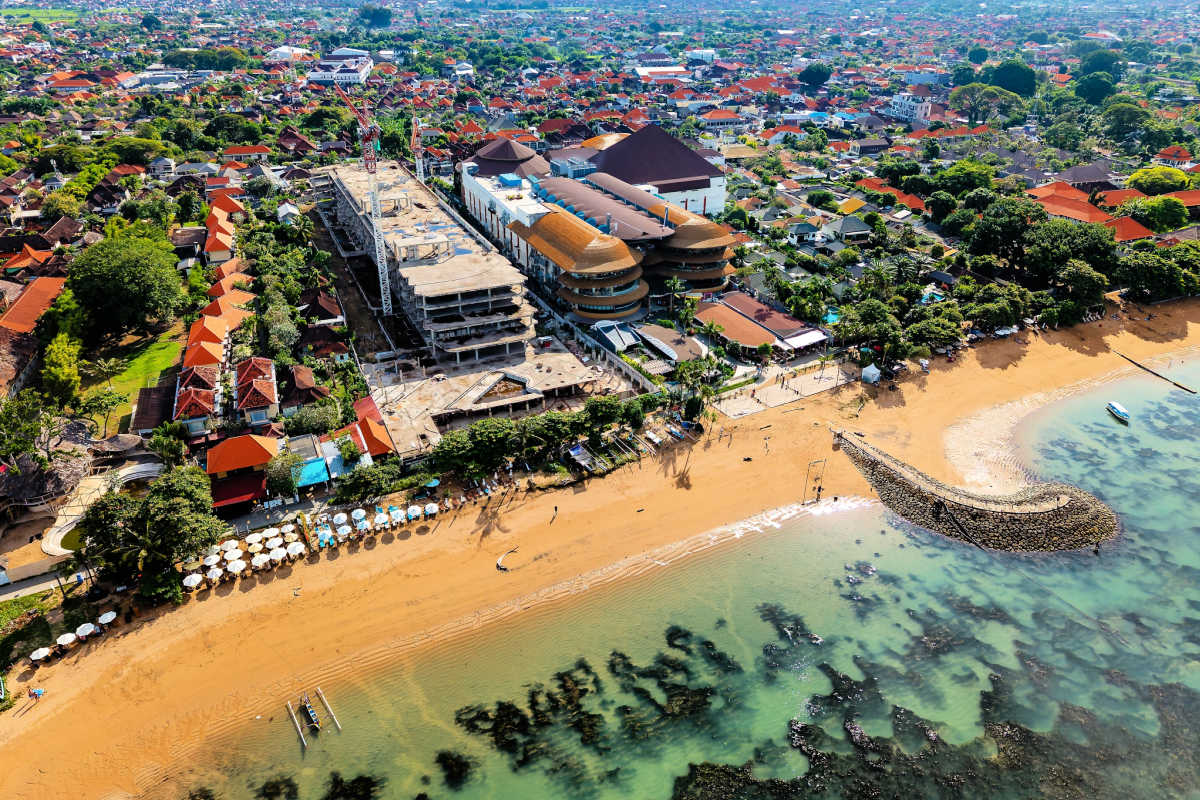
With Bali now on a mission to future-proof itself in new ways, the island that has long been Indonesia’s flagship tourism destination is in a state of flux. The island is seeing more investment than ever in residential property development and lifestyle complexes. Even the island’s oldest tourism resort, Sanur, has undergone a complete revival and is now the Sanur Special Economic Zone for Medical and Wellness Tourism.
Over the coming few years, resorts like Canggu and Uluwatu will continue to grow, and whole new towns will be created too. The Kura Kura Special Economic Zone, on Serangan Island between Sanur and Denpasar City, is set to become a global financial center, as well as an internationally competitive knowledge hub for creativity and innovation.
As Bali starts its journey into the future, all these changes have loyal Bali holidaymakers questioning whether the island’s golden era as a vacation paradise will quickly become a thing of the past.
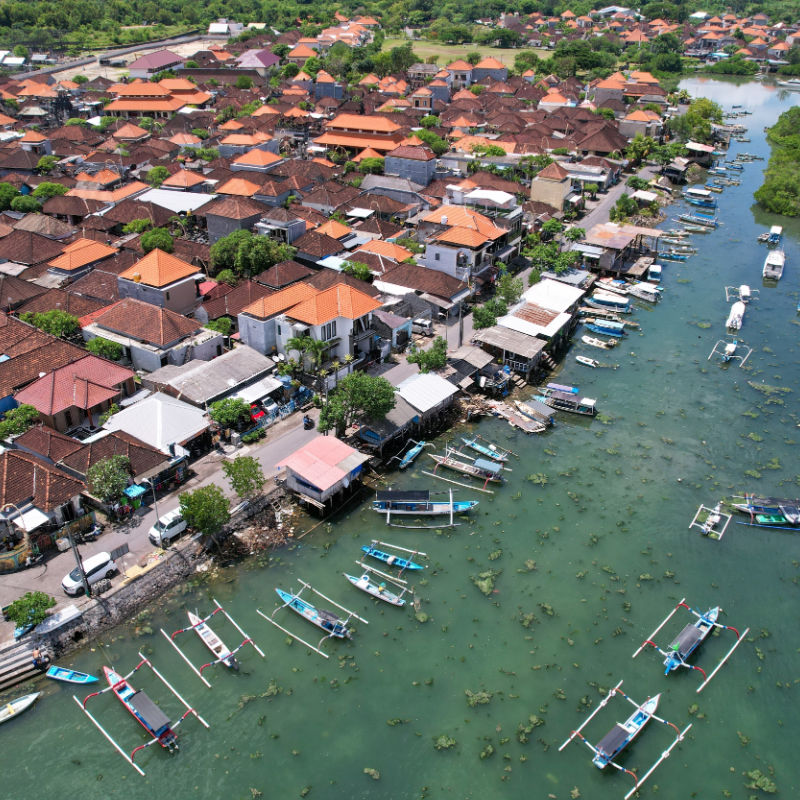
The Architecture of a New Economy: Kura Kura and Sanur
At the heart of this metamorphosis are two distinct zones designed to diversify an economy that was once 80% dependent on tourism. The Kura Kura Bali SEZ, located on Serangan Island, is being fast-tracked as an International Financial Center (IFC). Described by some as a “Dubai-style” hub, it features a “Knowledge District” that blends high-level education with tax-advantaged financial services. By early 2026, the zone has already secured over $100 million in investment, aiming to attract global family offices and sovereign wealth funds.
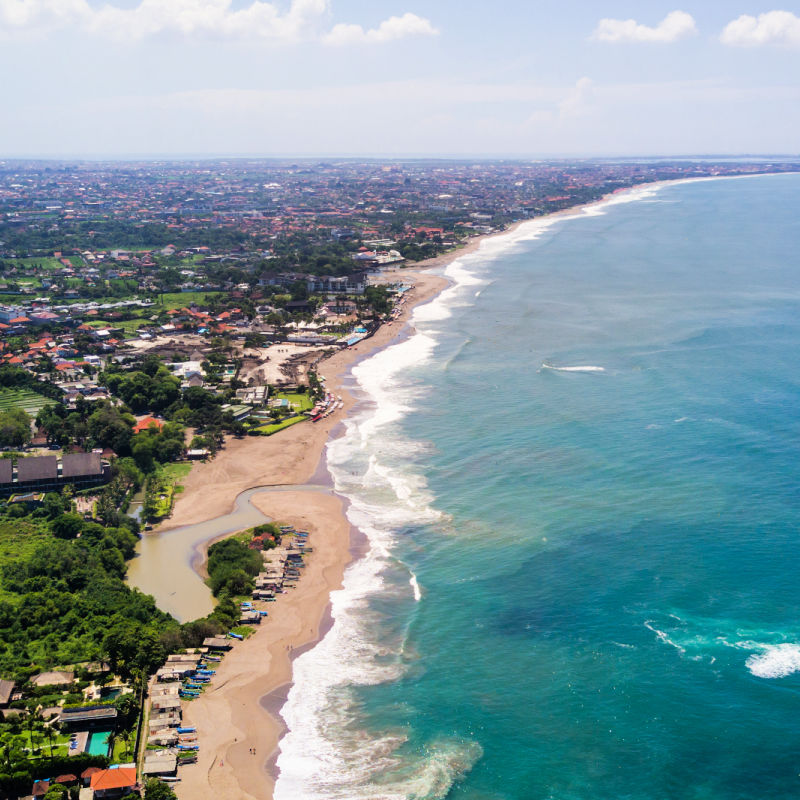
A short drive away, the Sanur SEZ is carving out a niche in world-class medical tourism. Its crown jewel, the Bali International Hospital, has been operational since 2025 and already reports that 60% of its patients are foreign nationals seeking specialized care.
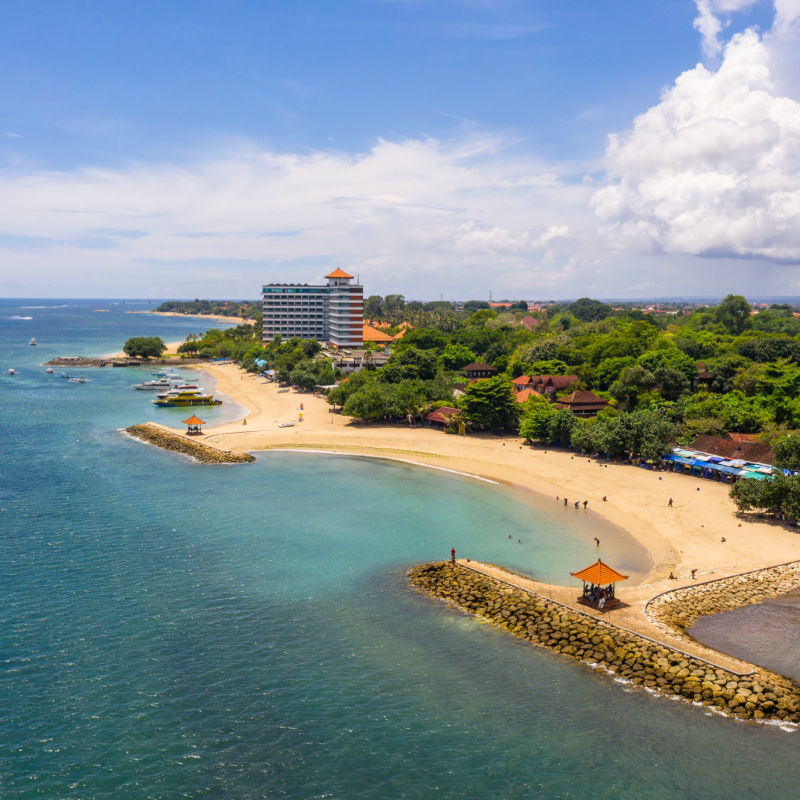
With the 2026 opening of the Solitaire Clinic—specializing in advanced stem-cell therapy and aesthetic surgery—Sanur is no longer just a place for sunrise walks; it is becoming a destination for wellness on a cellular level. For holidaymakers, this means the island is becoming more “functional.” The infrastructure required for a financial hub—better roads, faster internet, and reliable utilities—is beginning to bleed into the tourism corridors, offering a more seamless experience for those who need to remain connected while they relax.
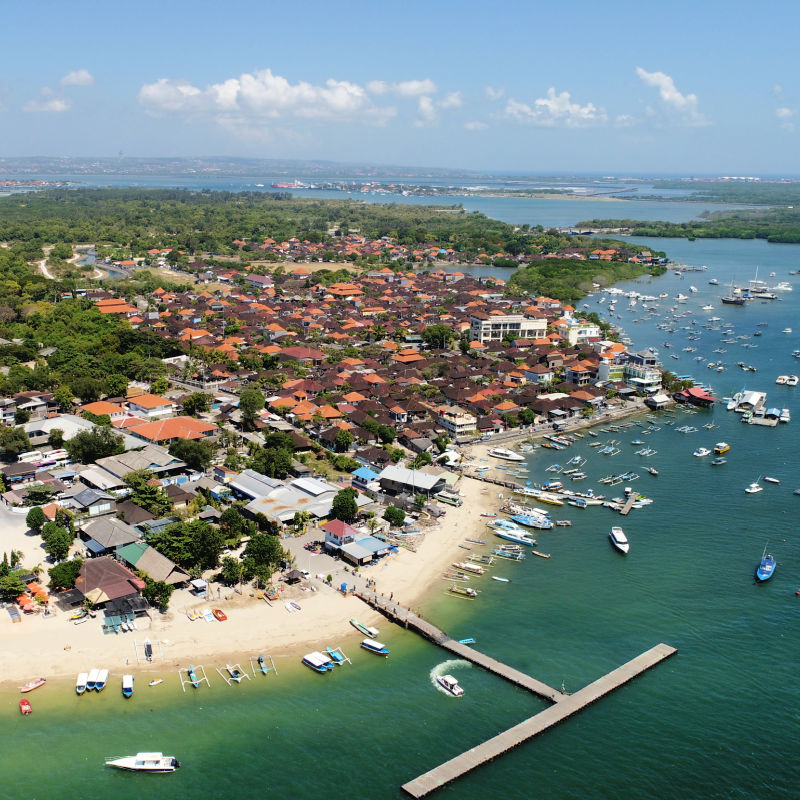
The Investor’s Lens: A Market in Transition
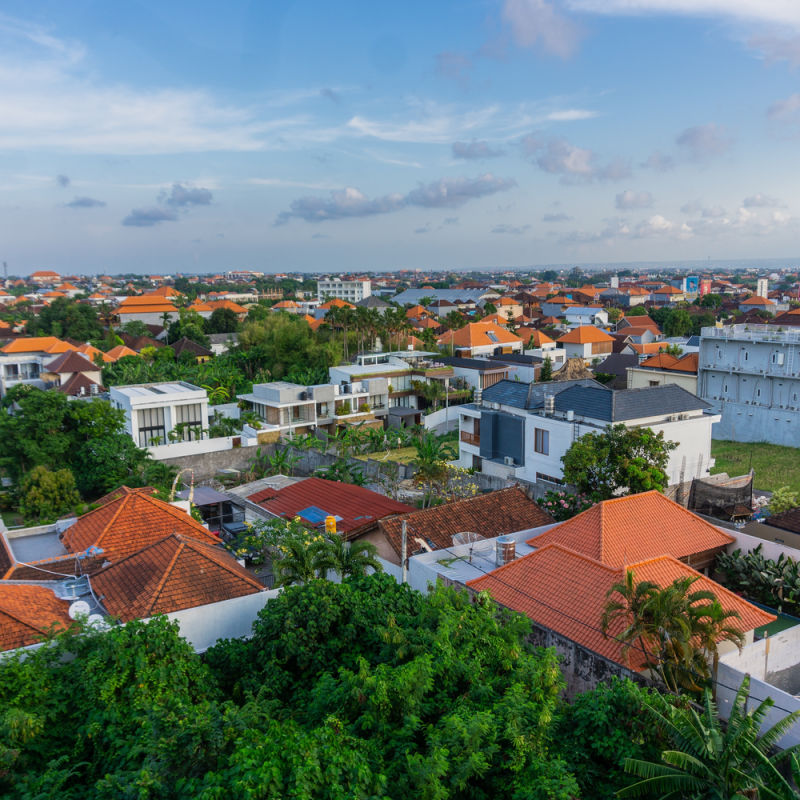
For readers with an eye on the investment market, 2026 represents a strategic “sweet spot.” The “Wild West” days of unregulated villa construction have been replaced by a sophisticated, “Digital Eye” compliance system. Using satellite monitoring and the OSS (Online Single Submission) platform, the government now rigorously enforces zoning laws. This means that while speculative land grabs are harder, the security of a legal investment has never been higher.
Real estate remains the primary entry point, with high-performing 2-bedroom villas in “tourism-zoned” areas like Canggu or Uluwatu achieving 65% to 80% annual occupancy. Interestingly, a new class of “dual-purpose” investors is emerging—those who view Bali property not just as a source of rental yield, but as a “lifestyle insurance policy” linked to Indonesia’s Golden Visa or the 2-year Investor KITAS. As the island leans into its role as a financial hub, the demand for high-end, professionally managed inventory is expected to climb, potentially pricing out smaller players in the years to come.
Navigating a Budget Vacation in a High-Tech Era
Despite the influx of global capital and the rise of luxury clinics, the “real” Bali remains remarkably accessible for those traveling on a budget. For a two-week stay, a $250 budget (starting upon arrival) is still a viable, albeit disciplined, way to experience the island. The key to success in 2026 is avoiding the “tourist traps” of the new SEZs and instead leaning into the local rhythms that have sustained Bali for decades.
Accommodation is the most significant variable. While a suite in the Sanur SEZ might cost $300 a night, clean and vibrant guesthouses in the surrounding areas or the hills of Ubud remain available for $12 to $18 per night. By allocating roughly $180 to a fourteen-night stay, travelers secure a safe, authentic home base, leaving $70 for the rest of their experiences. In these family-run homestays, the hospitality often includes a morning coffee and a slice of fresh papaya, providing a gentle start to the day that costs nothing but a smile.
The Culinary Economy: Warungs vs. Wellness Cafes
The food landscape in Bali is currently a tale of two cities. In the “Knowledge Districts” and beach clubs of Canggu, a grain bowl and a flat white can easily set a person back $15. However, the local “warung” remains the ultimate hedge against inflation. A plate of “Nasi Campur”—the quintessential Balinese meal of rice topped with spiced tempeh, vegetables, and chicken—still costs between $1.50 and $2.50.
For the budget-conscious, daily food and drink can be managed for approximately $4 to $5 by sticking to these local eateries. This allows for a total food spend of around $65 over two weeks. When combined with the $180 for accommodation, the total reaches $245, leaving a small but precious $5 for “extras.” In this economic model, water is best managed by refilling reusable bottles at homestays, as the $0.50 cost of a plastic bottle at a convenience store can add up quickly over fourteen days.
Transport and Taxis: The App-Based Advantage
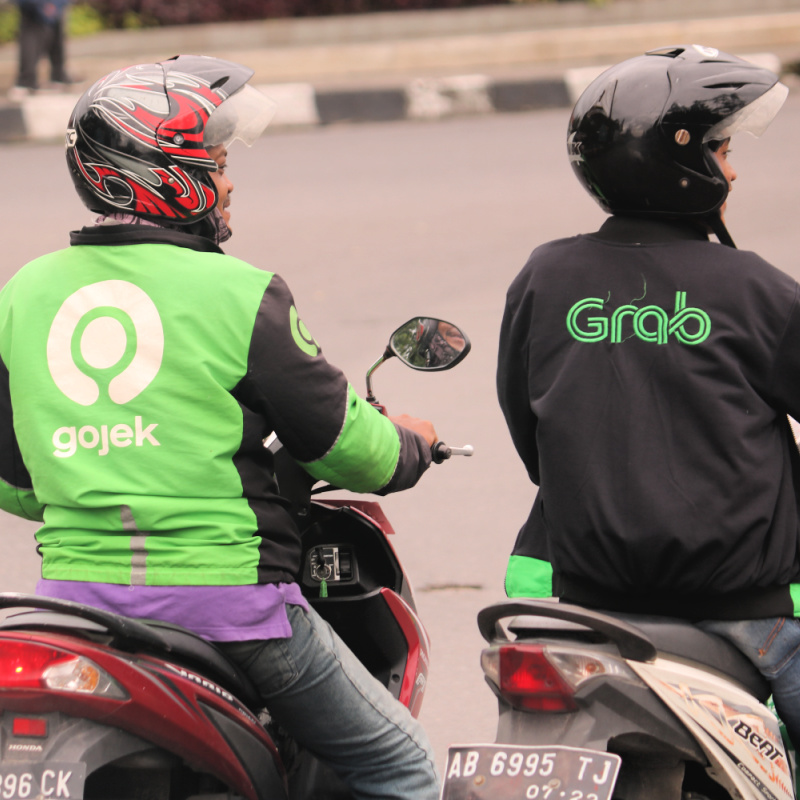
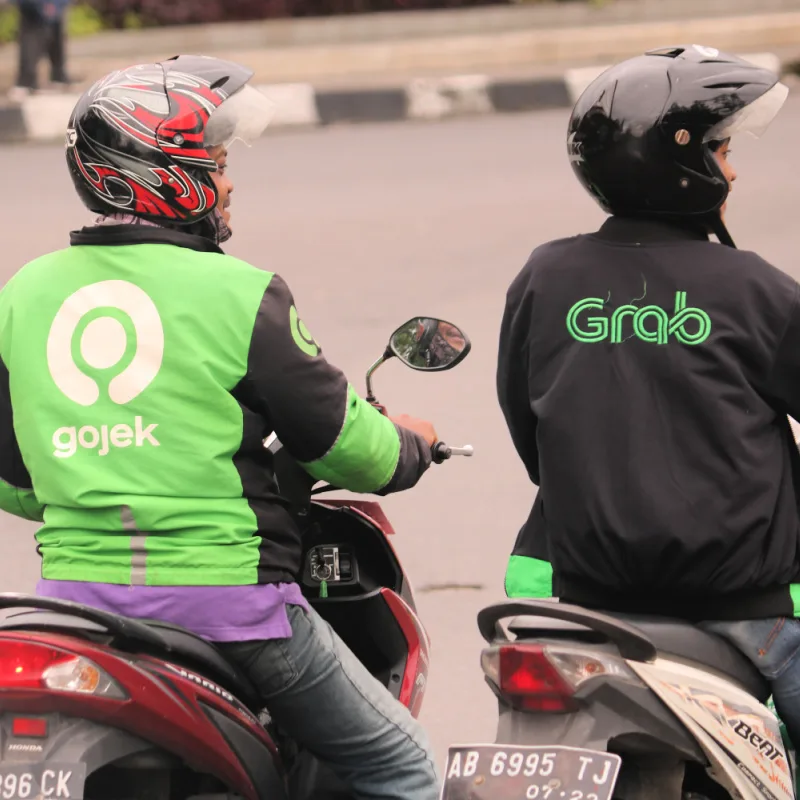
Transportation is one area where the new “Global Hub” status actually benefits the budget traveler. The proliferation of high-speed 5G across the island has made ride-sharing apps like Gojek and Grab more efficient than ever. Instead of negotiating with street-side taxi drivers, travelers experience the transparency of fixed-price “ojek” (motorcycle taxi) rides.
A trip across town typically costs between $1 and $2. For a two-week itinerary, a total transport budget of $15 is sufficient if one prioritizes walking in pedestrian-friendly areas like central Ubud or the Sanur boardwalk. This tech-driven efficiency ensures that even as the island attracts billionaires, the student or the backpacker can still navigate the terrain without fear of being overcharged.
Cultural Entry Fees and the Cost of Memories
The soul of Bali is found in its temples and natural wonders, and while some entry fees have seen a modest increase in 2026, they remain a bargain compared to global standards. Entrance to the iconic Penglipuran Village is approximately $3.50 (50,000 IDR), while the sacred Tirta Empul Temple charges around $5.00 (75,000 IDR).
For a traveler on a $250 budget, the strategy is to select three or four high-impact cultural sites rather than trying to see everything. Many of Bali’s most profound experiences—watching a ceremony pass by on the street, trekking through the Tegalalang rice terraces (where donations are often voluntary), or watching the sunset at Uluwatu (outside the paid temple area)—remain free. Souvenirs, too, can be handled economically; a hand-woven sarong or a small bag of sea salt from the North Bali salt farmers typically costs between $3 and $7 at a local market, providing a tangible connection to the island’s heritage.
The Verdict: Is the Vacation Era Over?
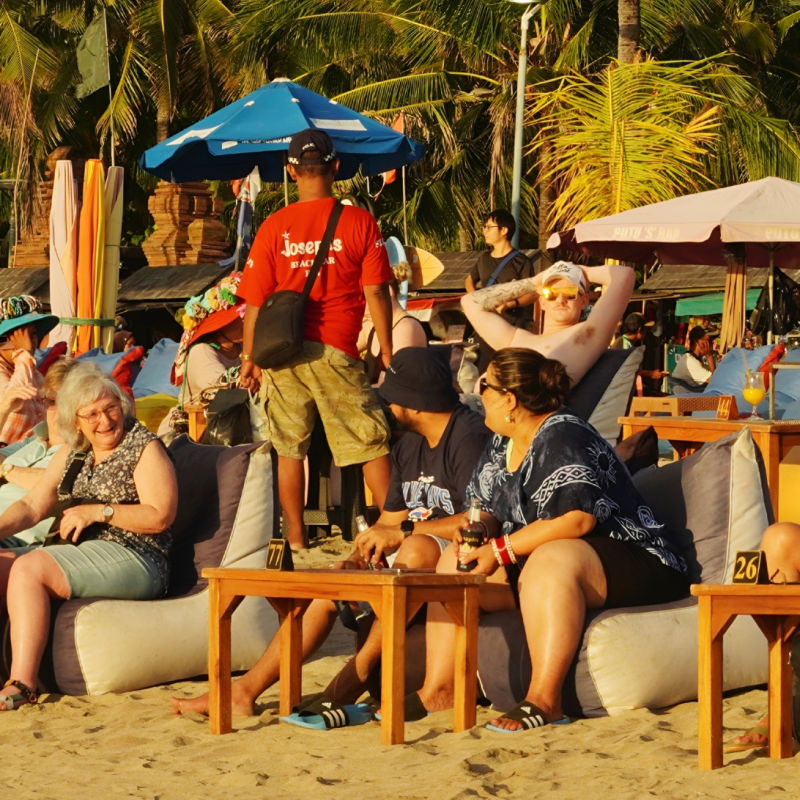
The fear that Bali’s era as a vacation destination is ending appears to be premature. Instead, what is occurring is a “zoning of experiences.” The south is becoming a sophisticated nexus of finance, health, and luxury, while the cultural heartlands of the interior and the rugged coasts of the north and west remain largely untouched by the glass and steel of the SEZs.
Travelers in 2026 experience a Bali that is more diverse than ever. On the same day, one could theoretically visit a cutting-edge biotech clinic in Sanur and then drive an hour north to witness a subak irrigation ritual that has remained unchanged for a millennium. The investment in the Kura Kura and Sanur SEZs is not intended to replace tourism, but to provide a safety net for the island’s future, ensuring that Bali is not just a place people visit, but a place where the world’s most innovative minds come to work and heal.
Practical Advice for the 2026 Traveler
To make the most of this transitioning island, visitors should embrace the “new” without losing sight of the “old.” Carrying a mix of cash for rural warungs and a digital travel card for the urban hubs is essential. Furthermore, staying informed about the progress of the SEZs can help travelers avoid construction noise and traffic bottlenecks. Sanur, for instance, is currently a hub of activity; while the new facilities are world-class, the surrounding roads can be congested during peak hours.
A $250 budget proves that Bali’s “Incredible Vacation” is still very much for sale. It requires a move away from the glossy advertisements of the new financial districts and a return to the guesthouses, the street food, and the village squares. Bali is not losing its identity; it is expanding it. For the culturally curious holidaymaker and the savvy investor alike, the island in 2026 offers a front-row seat to one of the most ambitious economic experiments in Southeast Asian history—a journey where the ancient and the ultra-modern are finally learning to walk hand in hand.
Discover more from The Bali Sun
Subscribe to get the latest posts sent to your email.