
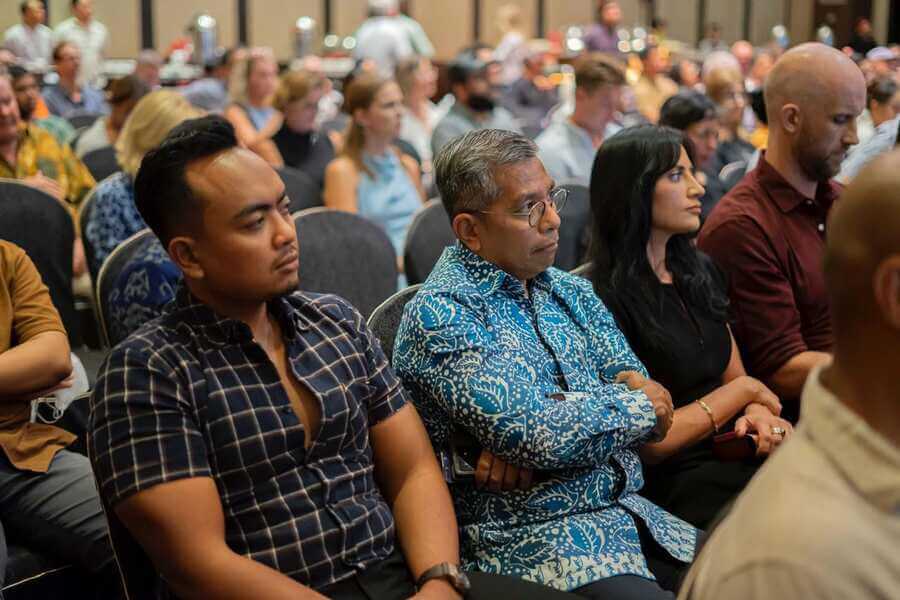
For decades, Bali has stood as one of the world’s most magnetic cultural destinations; a place where visitors come for beauty, tradition, and embodied wisdom. Yet beyond tourism, a quieter transformation is taking place.
Bali is increasingly becoming a meeting point between regions, particularly between Australia and Southeast Asia.
What was once simply a popular holiday route is evolving into something more significant: a natural cultural and economic bridge between Bali and cities like Sydney.
Australia has historically been one of Bali’s closest international partners. Australians have consistently been among the largest groups of visitors to the island, accounting for a substantial share of foreign arrivals each year.
But the relationship between Bali and Australia now extends far beyond tourism.
Increasingly, entrepreneurs, creatives, educators, and innovators from Australia are engaging with Bali not only as a place to visit, but as a place to collaborate, think, and develop ideas.
At the same time, Bali’s evolving ecosystem combining culture, creativity, wellness, entrepreneurship, and education is attracting a diverse international community of professionals and innovators seeking both opportunity and balance.
This convergence is creating something unique.
Rather than replicating traditional financial or commercial hubs, Bali is gradually emerging as a different kind of center one rooted in culture, community, and creativity.
Geography Meets Culture
Part of Bali’s strength lies in its geography.
Located at the intersection of Asia and Australia, Bali sits within a short flight of major Australian cities while also serving as a gateway into the broader Indonesian archipelago and Southeast Asia.
But geography alone does not create a hub.
What makes Bali distinctive is the presence of a living culture that continues to guide daily life.
Balinese philosophy which is expressed through principles of harmony between people, nature, and the spiritual world (Tri Hita Karana) shapes the island’s social fabric and communal decision-making.
This cultural grounding gives Bali a character that many modern global hubs lack.
For international collaborators, this creates a very different environment for innovation one where ideas are not developed in isolation from community or culture, but shaped within it.
A Different Kind of Global Hub
In recent years, global professionals have begun to seek environments that combine productivity with purpose.
Traditional business centers may offer efficiency but often lack depth of community or cultural grounding.
Bali offers something different.
Here, entrepreneurs may spend the morning in a co-working space, the afternoon in dialogue with community leaders, and the evening participating in cultural or spiritual ceremonies.
The rhythm of the island encourages reflection, collaboration, and cross-cultural learning.
This has helped Bali attract an unusually diverse ecosystem, from creative industries and wellness innovators to educators, investors, and technology founders.
Yet Bali’s emerging role as a hub does not mean abandoning its identity.
If anything, it requires protecting it more carefully.
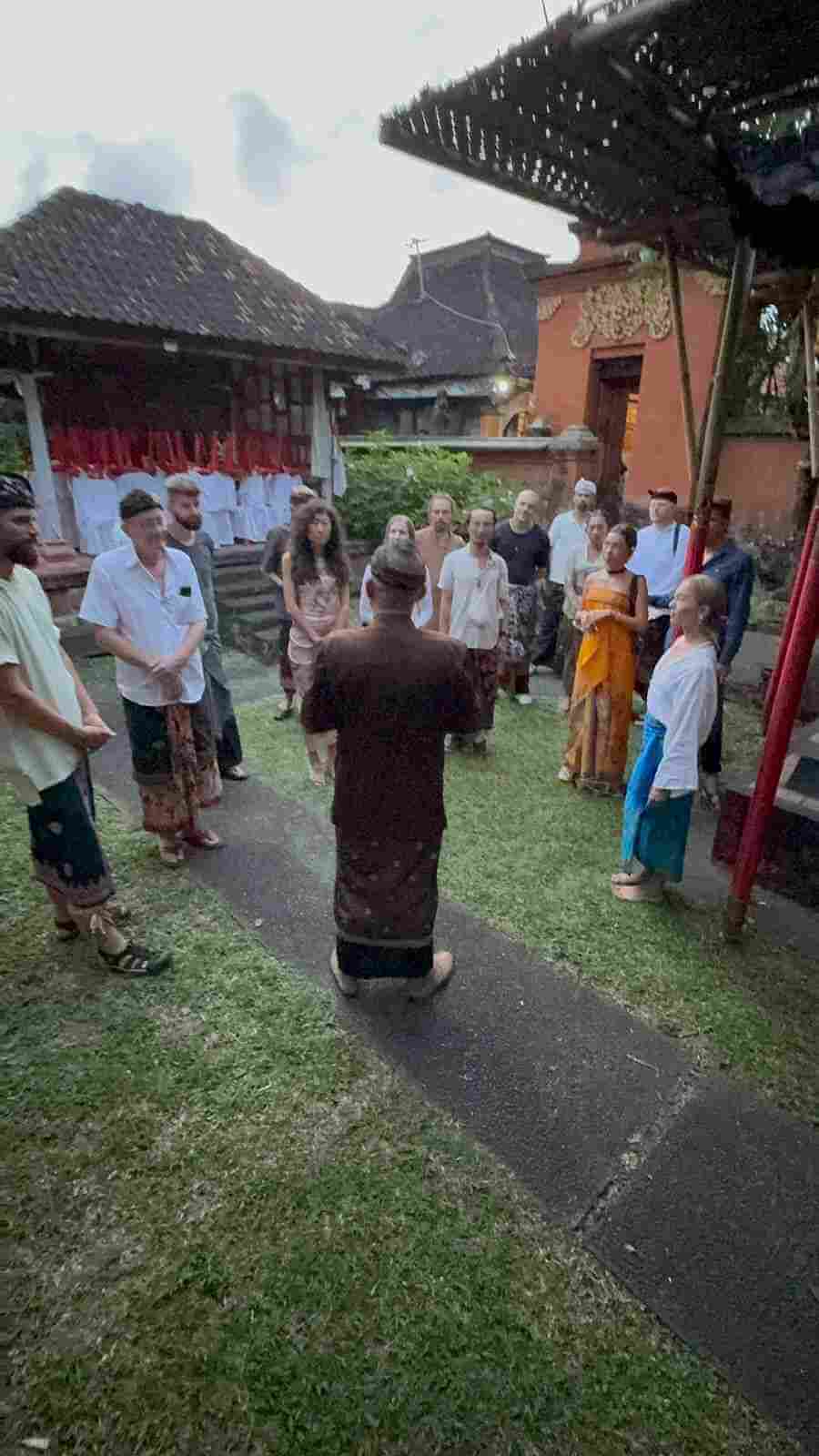
Protecting What Makes Bali Unique
Indonesia’s leadership in safeguarding Bali’s cultural and environmental foundations plays a vital role in guiding the island’s future.
Policies designed to preserve cultural heritage, protect the environment, and encourage responsible tourism demonstrate an understanding that Bali’s greatest strength lies in its identity.
The challenge is not simply managing growth, but guiding it in a way that preserves the traditions, communities, and landscapes that make Bali unique.
For international participants, this means engagement must go beyond opportunity.
It requires cultural intelligence, humility, and a genuine willingness to collaborate with local institutions and communities.
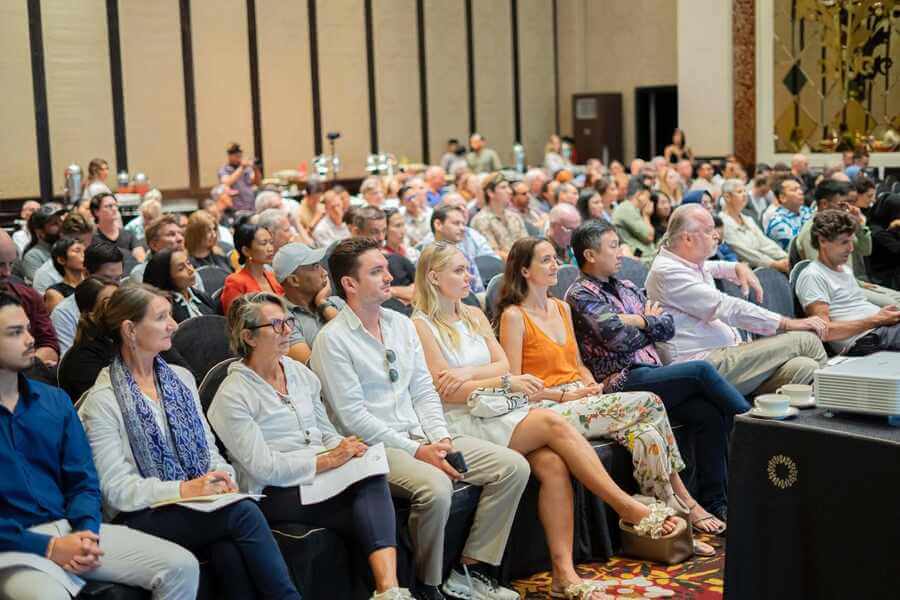
A Corridor of Possibility
Seen through this lens, the relationship between Bali and Australia begins to take on new significance.
Sydney, with its established global networks, education institutions, and entrepreneurial ecosystems, contributes experience, connectivity, and capital.
Bali offers something equally valuable: cultural depth, creative energy, and an environment that encourages reflection and collaboration.
Together, these qualities create a corridor of possibility one where ideas, people, and partnerships can move between regions in ways that benefit both sides.
But this corridor will only succeed if it is built with care.
The opportunity is not simply to move capital or business between cities.
It is to create bridges that respect culture, strengthen communities, and contribute to sustainable growth.
If approached thoughtfully, the Bali–Sydney relationship could become one of the Asia-Pacific region’s most interesting examples of cross-cultural collaboration.
Not a traditional economic corridor, but something more balanced.
A bridge between creativity and commerce.
Between heritage and innovation.
Between culture and opportunity.
And perhaps most importantly, a reminder that the most successful hubs of the future will not be defined only by infrastructure or finance.
They will be defined by the strength of the cultures that sustain them…
Website: www.robertianbonnick.com
PT Karya Lyfe Group – Gateway To Indonesia
RiB & Associates | SpeakuP Monday – Destination Indonesia #1 Entrepreneurship & Social Impact TalkShow | Tourism Architect – Co Building Legacy
Strategy | Connector | Market Access | Cultural Integration | Business Growth | Private Public Partnerships