
Here at The Bali Sun, we have been reporting on the Bali Urban Railway Network, aka the Bali Metro project, since the idea was first put on the table.
The project is poised to help mitigate the island’s mounting issues with traffic congestion and minimal public transportation options. Despite groundbreaking on the project over a year ago, progress on the development has become increasingly slow.
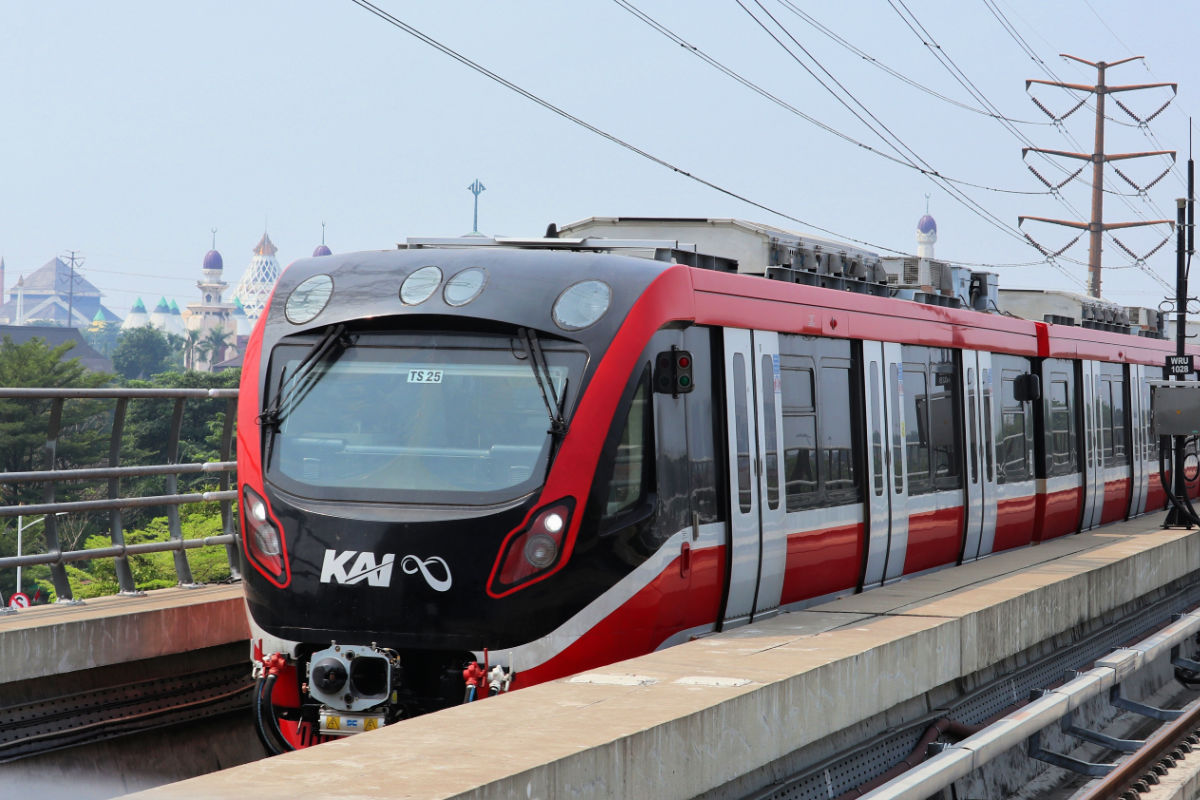
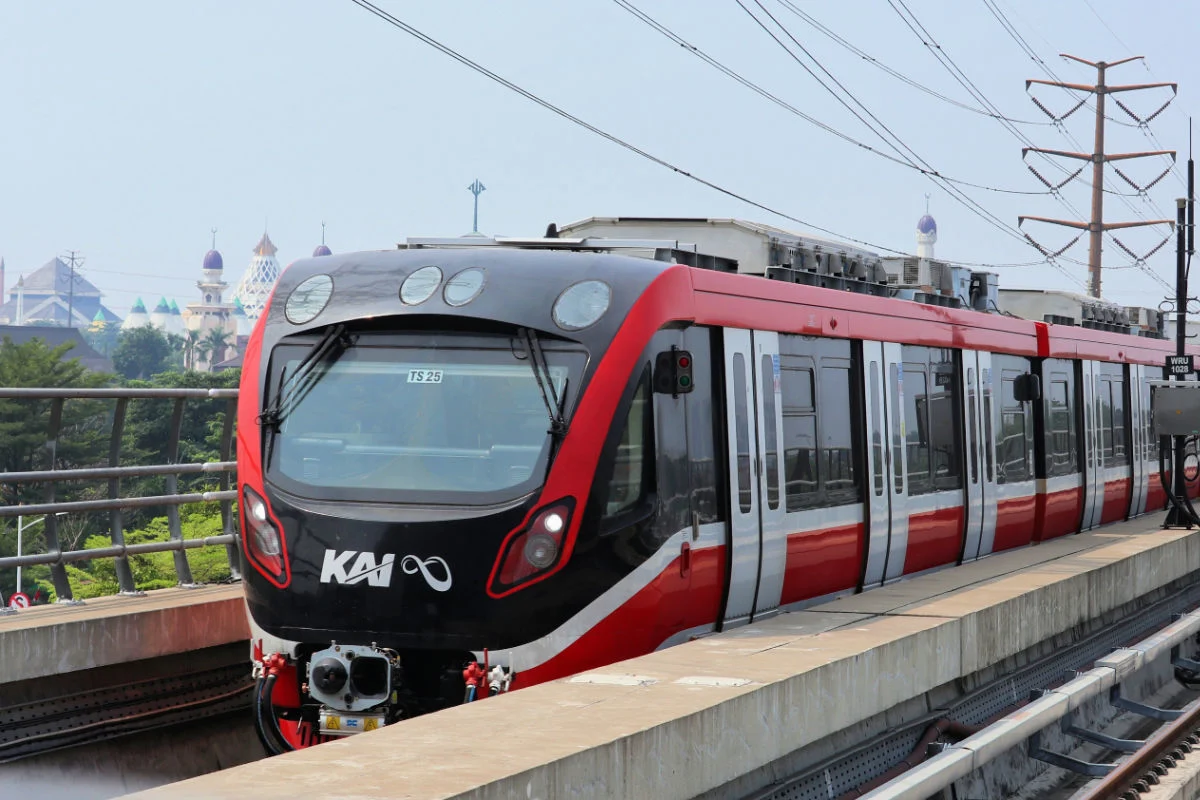
The Bali Urban Railway Network has been one of the most contentious development projects in Bali in recent years. This, alongside the North Bali International Airport, has the capacity to completely change the island’s face, bringing transportation benefits to both local communities and the more than 7 million international tourists who visit each year. However, the project has also attracted its fair share of criticism.
Those opposing the development raise concerns over the environmental impact of the mega-infrastructure required to create such a railway network, as well as the cost. Initial estimates suggested that a ticket for the Bali Urban Railway Network would cost at least USD 40.
This all comes on top of the fact that the project offers a long-term solution at the cost of short-term chaos. Building the project across the central south of Bali would cause even more issues with traffic congestion in the short and medium term, and construction teams work above and below ground to establish the railway lines, stations, and other supporting infrastructure.
Data from the Bali Central Statistics Agency (BPS) in 2024 recorded approximately 3.5 million vehicles operating on the island’s 3,118 kilometers of roads. This undoubtedly increased in 2025 and will surely rise again in 2026.
In the island’s busiest tourist areas like Kuta’s Sunset Road and central Canggu, rush hour vehicle speeds even drop to the speed of a leisurely bicycle, ranging from 15–40 km per hour at best.
Of all the concerns mentioned above, the main issue raised by stakeholders in Bali right now is the alarmingly slow progress on the project. Despite the groundbreaking ceremony taking place in September 2024, it is evident that very little visible progress has been made on the rail network.
The project is a collaboration between PT Sarana Bali Dwipa Jaya (SBDJ), a regionally-owned enterprise (BUMD) owned by the Bali Provincial Government, and PT Bumi Indah Permai (BIP). The initiative had been set to be funded by major investors from both China and South Korea; however, there are concerns that this is the reason the project has been stalled. The Bali Urban Railway Network was originally reported to cost USD 20 billion.
There has been speculation among local stakeholders that the project is now undergoing a redesign. Local politicians have spoken to reporters about the scope to alter the project from the initial design technology concept, shifting from Light Rail Transit (LRT) to Autonomous Rail Transit (ART).
Bali Sentor Nyoman Suyasa told reporters, “The information I have is still about LRT. Now, news has emerged that it’s changed to ART and a change of investor. The council hasn’t received an official report yet.”
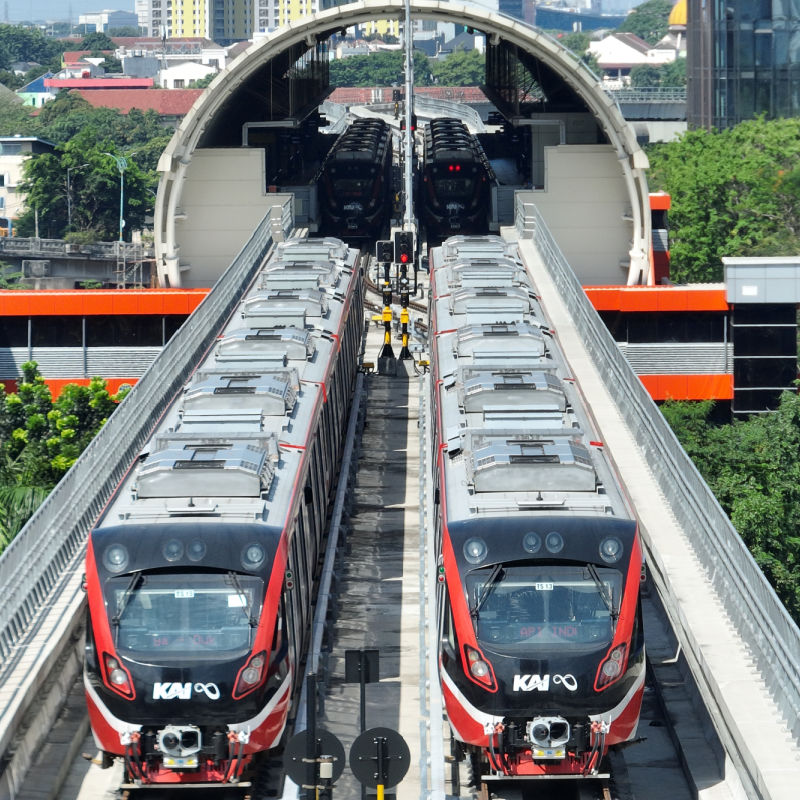
Bali-based public policy academic Dr. Efatha Filomeno Borromeu Duarte told reporters of his concerns that the project has ground to a halt at such an early stage.
He noted, “This shows a serious gap between policy and technical implementation. Groundbreaking has taken place, but actual construction has not progressed significantly.”
Adding “Reliance on private funding always carries the risk of delays if the consortium is not operationally solid.”
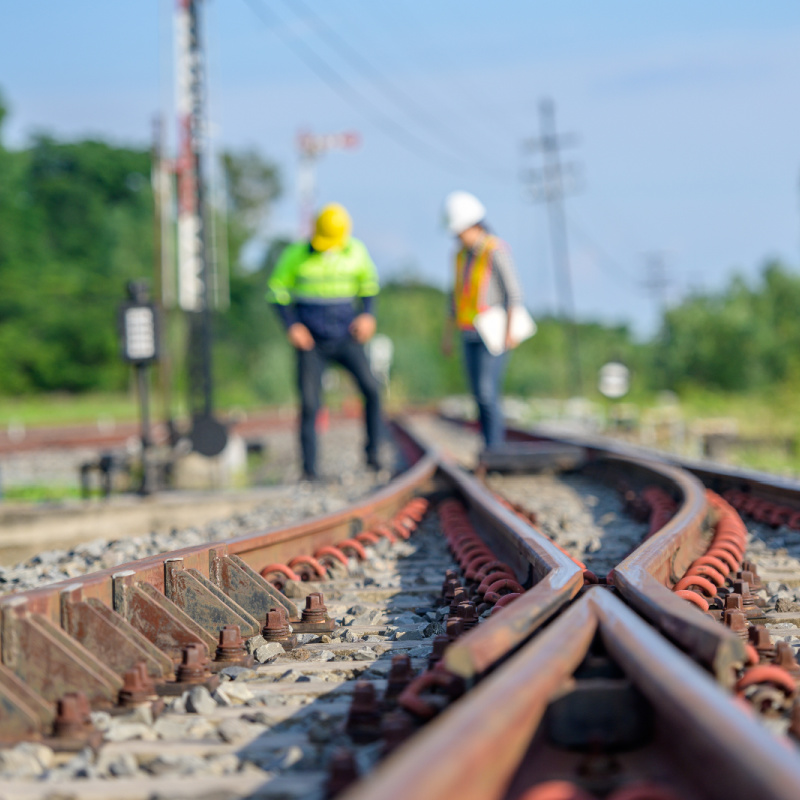
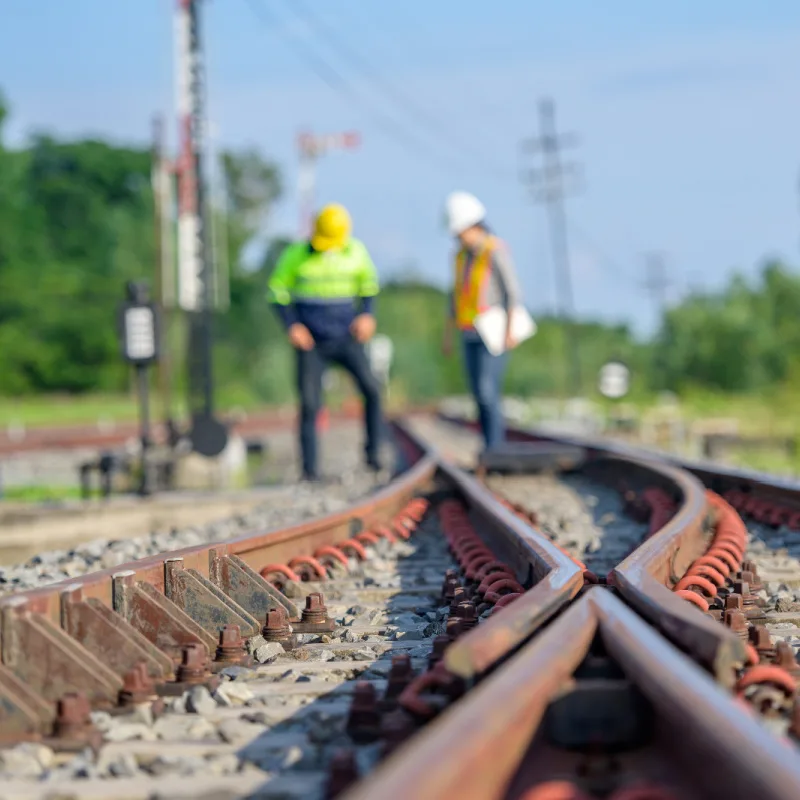
There have been no updates from PT Sarana Bali Dwipa Jaya (SBDJ), a regionally-owned enterprise (BUMD) owned by the Bali Provincial Government, or PT Bumi Indah Permai (BIP) in recent months, despite the fact that the first phase is set to be completed as early as 2028. The project was set to be fully operational as early as 2031.
The Bali Urban Rail Network is set to be built in four phases, the first of which is set to connect Bali’s I Gusti Ngurah Rai Airport with Kuta, Seminyak, Canggu’s Berawa, and Cemagi, as well as Jimbaran and Nusa Dua.
Discover more from The Bali Sun
Subscribe to get the latest posts sent to your email.