
As Bali is on track to smash tourism targets in 2026, the issue of cultural respect is becoming increasingly important.
While the vast majority of tourists visiting Bali respect local culture and behave in a way that is socially considerate, there are some people who choose not to adapt their behaviour to be considerate of local communities and the island’s cultural heritage.
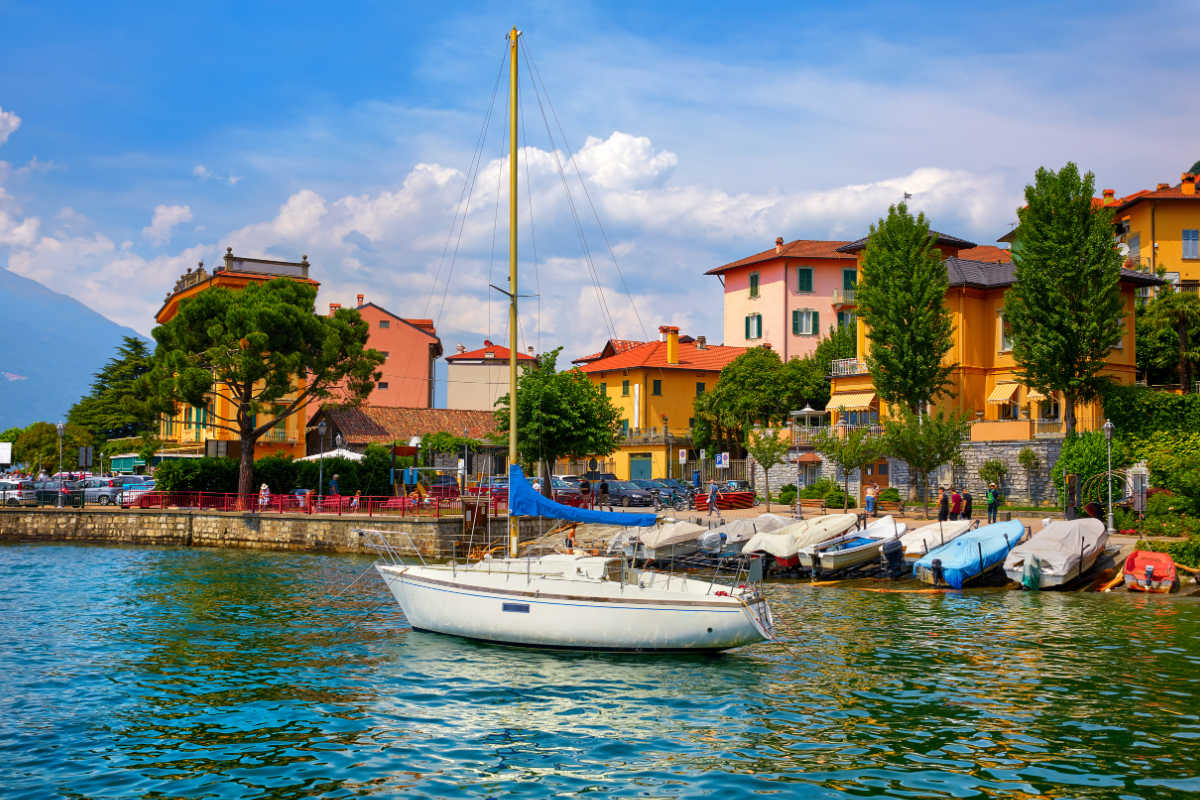
Italy has been making international headlines over the last few weeks for a series of tourism reforms designed to curb overtourism and promote cultural respect among visitors.
First, Venice announced it is exploring raising the daily tourism tax to EUR 50, and now the quaint village of Varenna on Lake Como is imposing hefty fines on tourists who disrespect local customs.
Varenna has implemented a new policy that imposes fines of up to EUR 200 for tourists who wander around the village with bare chests or in swimwear. The traditional fishing village has seen a tourism boom in the last decade and is working to crack down on tourists who are deemed ‘uncouth’.
From now on, going topless or wearing swimwear is strictly reserved for the lakeside beaches, and tourists must cover up as soon as they enter community areas. Varenna sees thousands of tourists every year, while the residential population sits at just 650.
The Mayor of Varenna, Mauro Manzoni, told reporters, “Varenna is a wonderful village, and we are proud to welcome hundreds of thousands of visitors from all over the world every year,” adding, “However, our residents’ quality of life cannot be sacrificed on the altar of mass tourism.”
Varenna has also implemented a limit on tour groups, with guides now not permitted to use loudspeakers or microphones, and group sizes are limited to no more than 25 people.
The new policies have been welcomed by local community members and local business owners. One local shop owner told reporters, “On the beach, you can do what you want, but when you’re walking around and go into shops, restaurants, churches, or the square, you must dress decently.”
Major tourism destinations, such as the villages around Italy’s Lake Como and communities across Bali, often look to one another for guidance and inspiration when it comes to tourism management. While each destination has its own unique nuances to contend with, the big picture issues are the same: the needs of local people vs the wants of tourists.
Tourists traveling to Bali and any other destination in Indonesia must remember that this is a very conservative country.

Bali, as a province, is comparatively liberal, but tourists must remember that this is a reverent culture where the philosophies of Balinese Hinduism influence all aspects of daily life.
It has been a point of concern and often contention over the last few years about the way in which some tourists dress and behave while in Bali, including wearing beachwear in village areas, going shirtless away from the beach, and even disrespecting the simple dress codes in place at sacred places such as temples.
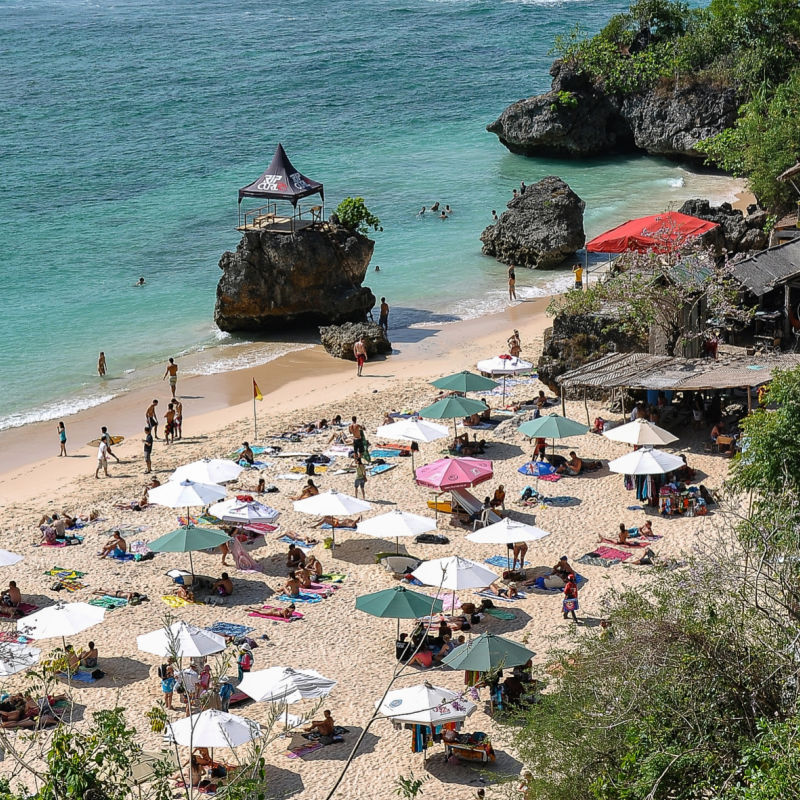
In May 2026, Bali’s Governor Wayan Koster published an open letter to tourists calling for increased cultural respect and for international tourists to pay the Bali Tourism Tax Levy.
He wrote “The Government, together with the people of Bali, is working diligently to address challenges related to culture, environment, infrastructure, and governance, in order to realize a culture-based, high-quality, dignified, and sustainable tourism system.”
Adding “In pursuit of these noble goals, I, Wayan Koster, Governor of Bali, representing the Government and the people of Bali, respectfully encourage all Foreign Tourists who love Bali to take part in preserving Bali and enhancing the competitiveness of Bali’s tourism through contributions to the Foreign Tourist Levy.”

The Bali Tourism Tax Levy is charged at IDR 150,000 per person and can be paid via the LoveBali app or website. Tourists are reminded that this is a mandatory fee, and the Bali Government is banking on this tax revenue.
If payments are not made, it’s not unlikely that leaders will consider more extreme measures to improve tourist behaviour and generate tax revenue.
Discover more from The Bali Sun
Subscribe to get the latest posts sent to your email.