
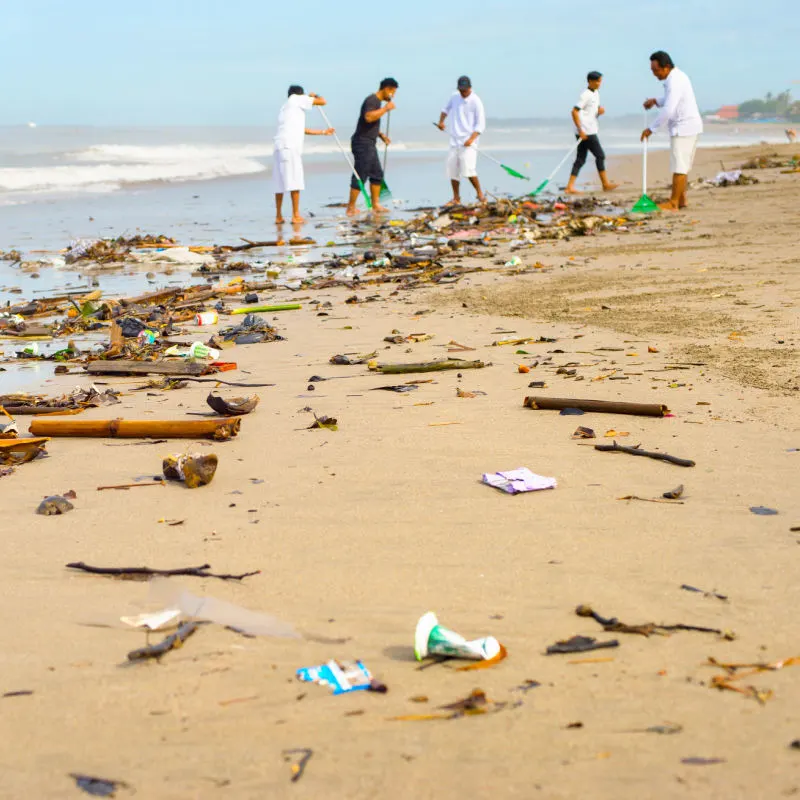
Leaders in Bali are coming together to create early mitigation plans for the tides of plastic waste that arrive on the island’s shores every rainy season.
There is scope for this monsoon season in Bali to be one of the worst in recent history, and leaders are keen to get ahead of the game.
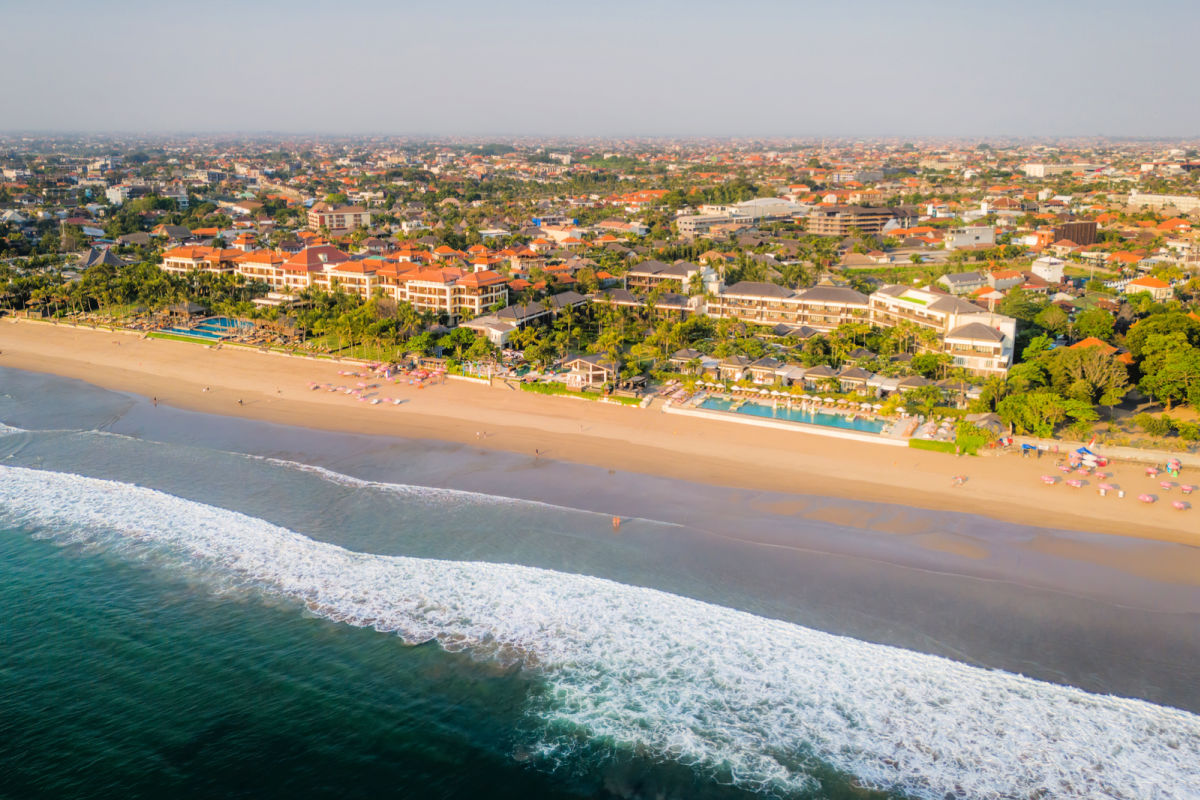
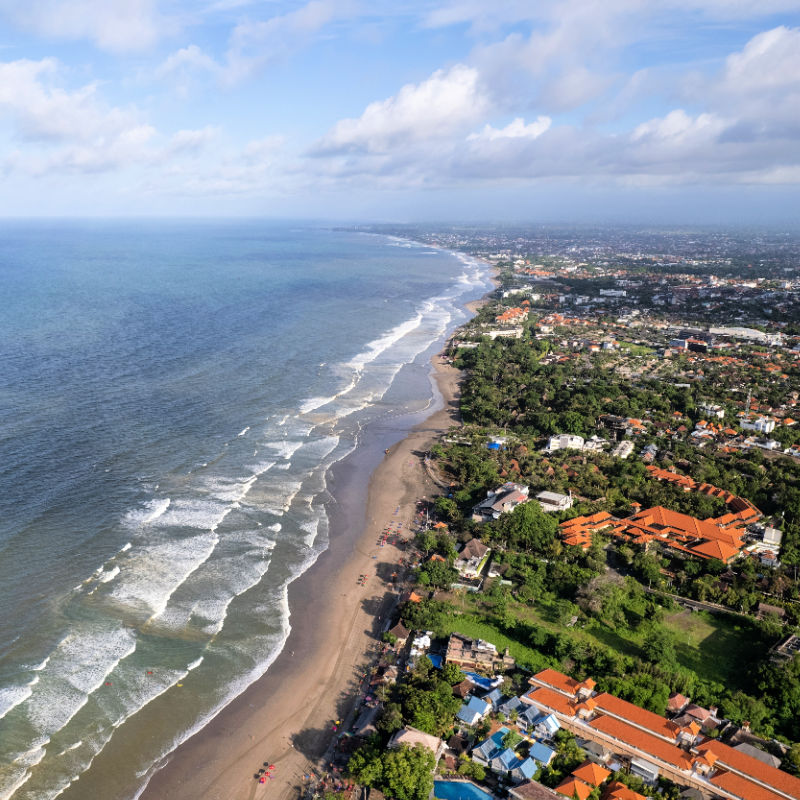
The worst-affected areas for the tides of plastic waste are typically in the area known locally as Samigita Beach. This is the stretch of coastline that runs from Kuta, through Legian, and to the end of Seminyak.
Jimbaran is typically badly affected due to the location of the cove and the prevailing current. It just so happens that these areas also attract the highest concentration of tourists, especially over the Christmas and New Year holidays, known in Indonesia as Nataru.
The heaviest period of rainfall is forecast for January and February 2026, marking a notable moment for potential disaster.
Bali’s issues with waste management are no secret, and a series of major new policy changes have been brought into effect to help tackle this.
However, many feel that more needs to be done, as evidenced by the island’s largest open landfill still accepting waste despite being set to close years ago, and the tides of plastic waste that are washed up on the island’s shorelines every monsoon season.
The Acting Head of UPTD Kuta Tourist Rescue, I Wayan Somer, has spoken to reporters about early mitigation efforts that are being introduced this month to help reduce the impact of the worst of the season, which typically falls around January and February.
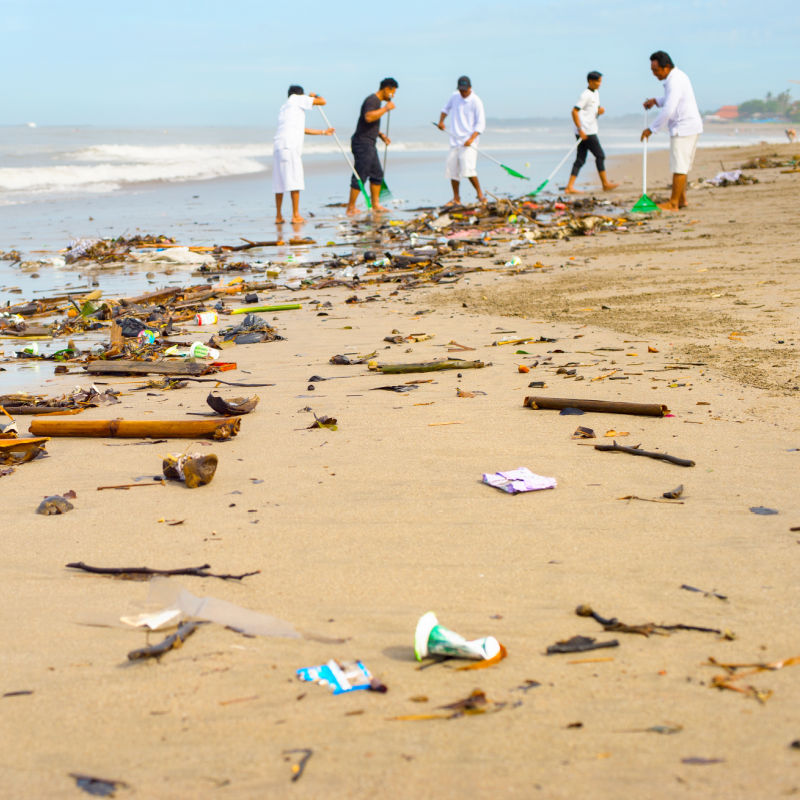
There are concerns that the tides of plastic waste threaten public safety, especially for those wishing to enter the water. The tides of plastic trash can be so dense that they are unsafe for swimming and surfing, and they also impact the enjoyment of those who wish to stay on the sand.
Somer told reporters, “We are intensely educating visitors, both domestic and foreign. For example, tourists can only swim in areas marked with red-yellow flags. If a red flag is installed, it means that swimming is prohibited.”
He confirmed that lifeguards are receiving more training every week to help them better serve tourists. Somer shared, “Quick response, technical skills according to SOP, and mental readiness are the key in carrying out humanitarian tasks, so we will routinely hold physical and mental coaching so that lifeguards are more resilient in the field.”
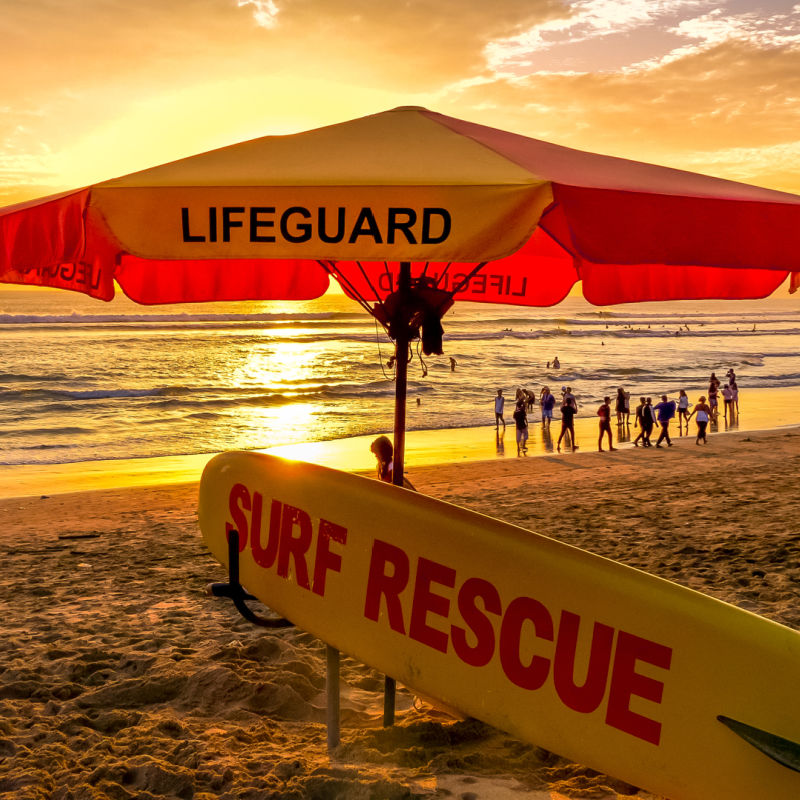
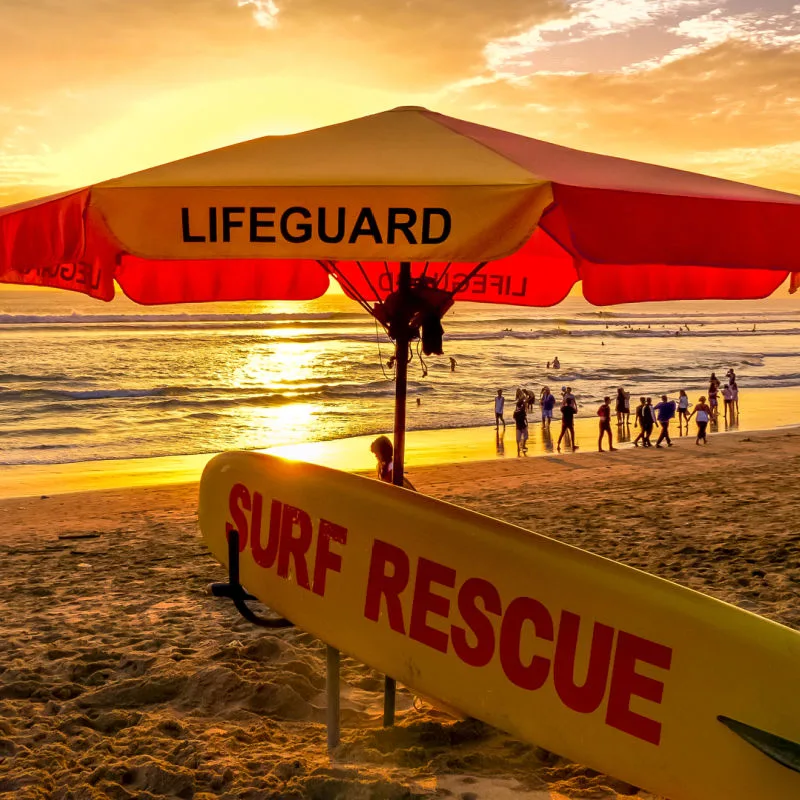
He noted that the main focus for lifeguards is the safety of tourists; lifeguards are also tasked with maintaining the tidiness and comfort of the beach area around the guard post. This is part of the effort to maintain the image of Samigita Beach as an international tourist destination crowded with tourists.
Lifeguards are not solely responsible for clearing up tides of plastic waste when they appear; it’s a whole community effort. Specialized teams for the Badung Regency Government are deployed to oversee the main clear-up operation, and there are often community-driven beach clean-ups, and both of these efforts are supported by local environmental NGOs too.
Somer concluded by reminding tourists to always obey the signs and directions of the officers, especially during the rainy season.
He shared, “The world-famous Samigita Beach needs extra attention. Just one incident can have an impact on the image of Bali and Badung tourism. Therefore, professionalism is the price of death. We want to show that Bali is safe and friendly for world tourists.
Not all beaches in Bali have lifeguards on duty, nor a flag system in place. For those who are unsure of where is and is not safe to swim, it is advisable to check in with accommodation providers or even beachfront surf schools and vendors to better understand where is and is not safe to enter the water.
Discover more from The Bali Sun
Subscribe to get the latest posts sent to your email.