
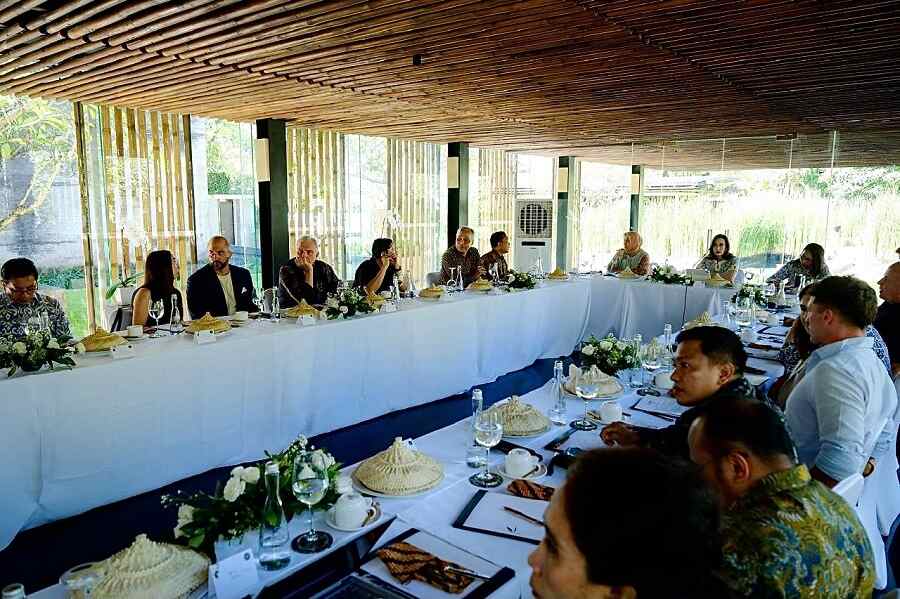
For decades, Bali has served as Indonesia’s most recognizable tourism destination. Its culture, hospitality, natural beauty, and global reputation have positioned it as one of the world’s most successful tourism ecosystems. Yet recent signals from the Indonesian Government suggest the country’s next chapter may look considerably broader. The conversation is no longer simply about attracting more visitors to Bali. Increasingly, it is about creating opportunities across Indonesia’s wider destination landscape.
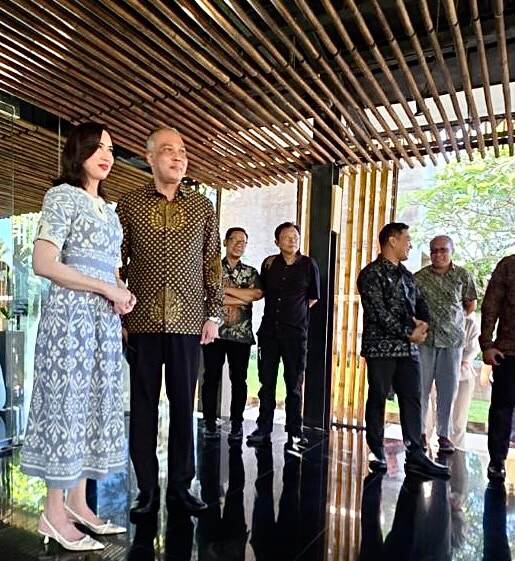
A Shift in National Thinking
Recent statements from Indonesia’s Ministry of Tourism highlight a growing focus on encouraging tourism investment beyond traditional concentration points. The objective is not to reduce Bali’s importance. Rather, it is to ensure that the economic, social, and developmental benefits of tourism can be shared more evenly across the archipelago. This reflects a broader evolution in how tourism is being viewed nationally. Tourism is no longer seen solely as a visitor economy. It is increasingly being positioned as a catalyst for regional development, infrastructure growth, employment creation, and long-term investment.
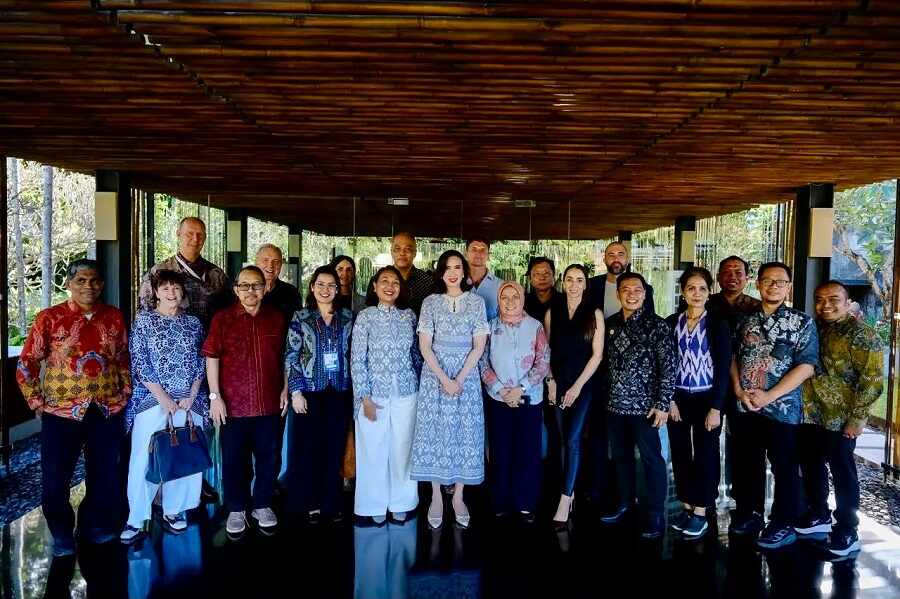
From Tourism Promotion to Investment in Tourism Development
For many years, the international conversation around Indonesia focused primarily on promotion. The message was straightforward: Come and visit Indonesia. Today, the narrative is becoming more sophisticated. The emerging message is: Come and help build tourism ecosystems.
This distinction matters. It reflects a shift from tourism marketing toward tourism development. And with that shift comes new opportunities for investors, operators, hospitality groups, wellness concepts, eco-tourism initiatives, education-driven experiences, and community-led destination projects.
Why This Matters for Australia
From an Australia ↔ Indonesia perspective, the timing is significant. Australia has long been one of Indonesia’s most important tourism markets. Millions of Australians have developed a strong familiarity with Bali and, increasingly, a curiosity about Indonesia more broadly.
As Indonesia expands its tourism development ambitions beyond Bali, new opportunities emerge for deeper forms of collaboration. Not simply tourism. But partnerships. Knowledge exchange. Hospitality development. Experience design. Investment facilitation. And cross-border ecosystem building.
The Growing Importance of Relationship Capital
One reality remains constant. Indonesia is fundamentally a relationship-driven market. As more domestic and international investment enters the tourism sector, success will increasingly depend on the ability to align multiple stakeholders.
Government. Communities. Investors. Operators. Developers. Cultural custodians.
This is where relationship capital becomes particularly important. The ability to connect people, institutions, and opportunities in a way that creates mutual value often determines whether projects gain momentum or struggle to progress.
The Role of Ecosystem Builders
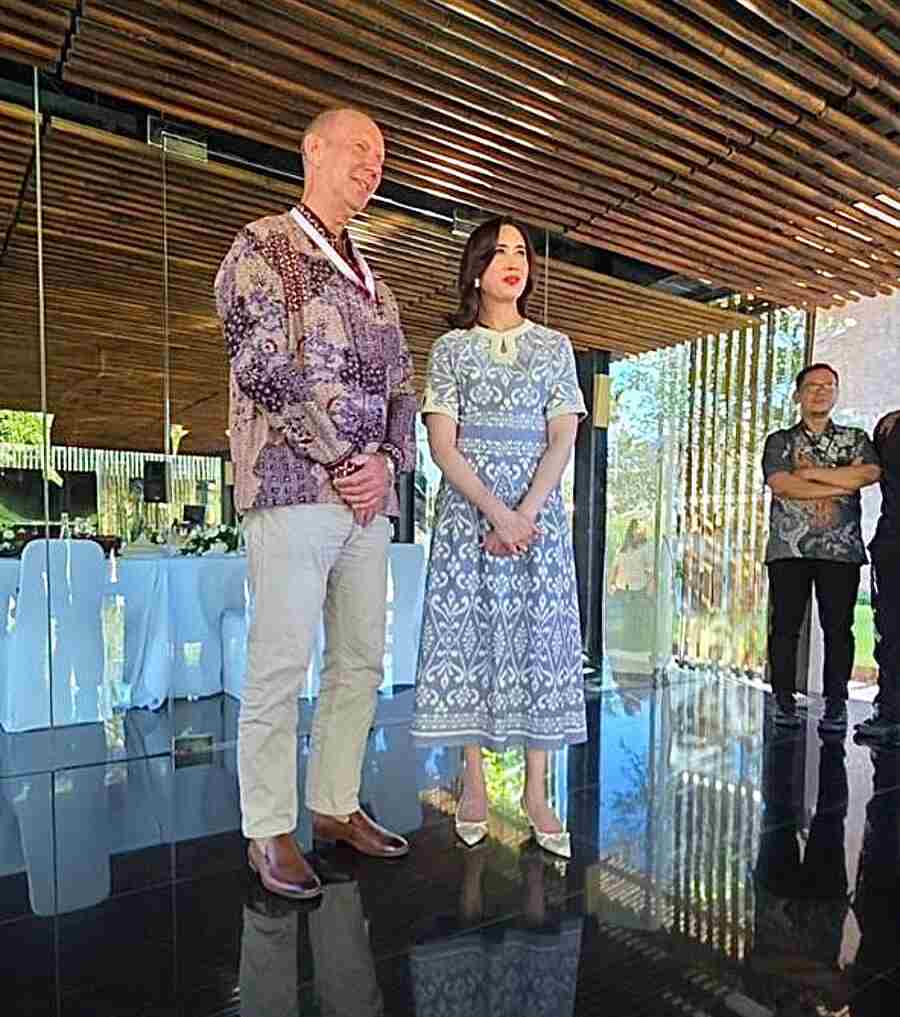
Organizations such as the Bali Tourism & Investment Chamber (BTIC), of which I am a co-founder, reflect this emerging need. BTIC was established with a vision of strengthening connections between tourism, investment, business, government, and community stakeholders. As Indonesia’s tourism ecosystem continues to diversify, platforms that facilitate collaboration, dialogue, and responsible partnership become increasingly relevant. The future of tourism development will not be built by any one stakeholder alone. It will be built through ecosystems.
Beyond Visitor Numbers
Perhaps most importantly, the government’s messaging aligns with a wider global shift. Success is no longer measured solely by visitor volume. Increasingly, the focus is moving toward:
• sustainability
• destination quality
• cultural preservation
• community participation
• experiential tourism
• long-term competitiveness
This represents a more mature model of tourism development. One where growth and stewardship are expected to coexist.
Looking Ahead
Bali will remain one of the world’s great tourism destinations. Its role as a cultural, hospitality, and tourism leader is unlikely to diminish. But Indonesia’s future tourism story may become far more geographically diverse. As investment flows into emerging destinations and new tourism ecosystems take shape, opportunities will increasingly extend beyond established hubs. For Australia and Indonesia alike, this creates an opportunity to deepen collaboration in ways that go beyond tourism alone. The next phase may not simply be about where people travel. It may be about what they build together.
Conclusion
The Indonesian Government’s recent messaging should be viewed as more than a tourism announcement. It is a strategic signal. A signal that Indonesia is continuing its evolution from a tourism destination toward a tourism development ecosystem. For those operating across the Australia ↔ Indonesia corridor, the implications are significant. The future is likely to belong not only to destinations, but to partnerships. And increasingly, those partnerships will help shape what Indonesia’s next tourism chapter looks like.
Website: www.robertianbonnick.com
PT Karya Lyfe Group – Gateway To Indonesia
RiB & Associates | SpeakuP Monday – Destination Indonesia #1 Entrepreneurship & Social Impact TalkShow | Tourism Architect – Co Building Legacy
Strategy | Connector | Market Access | Cultural Integration | Business Growth | Private Public Partnerships