
This article unpacks content from Bali Business Review on YouTube, focusing on the factors shaping visitor flow at Thomas Beach. It synthesizes primary observations around accessibility, seasonal demand patterns, accommodation performance, and the revenue implications for local property owners and managers.
Hi, I’m Jason, a Business Journalist at Bukit Vista, and I’ll be unpacking analysis from Bali Business Review. Today, we’ll dive into Thomas Beach: What’s Driving the Visitor Flow? to offer clear, data-driven insights.
Accessibility and Local Infrastructure
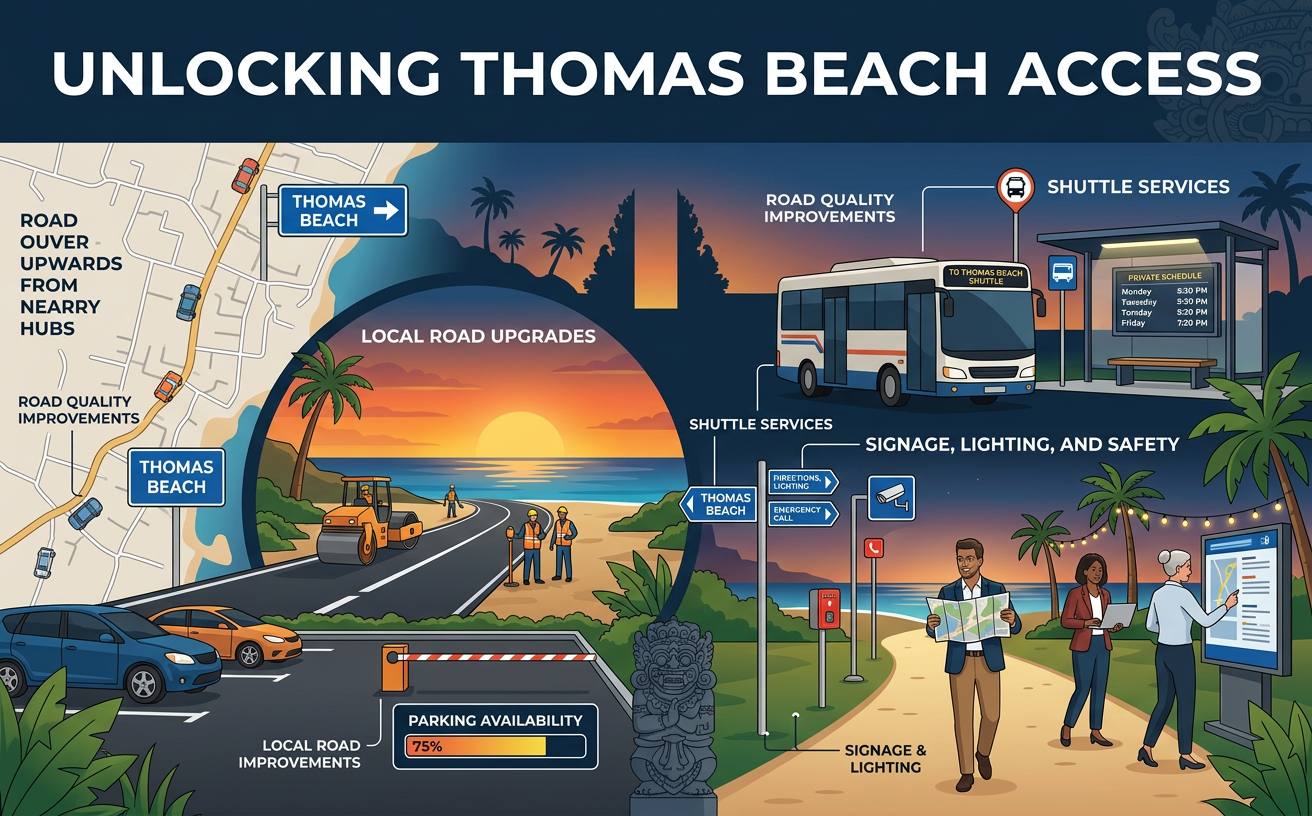
Thomas Beach’s visitor flow is strongly influenced by the area’s transport links and last-mile accessibility. Improved road quality, clearer signage, and new shuttle services from nearby hubs have lowered friction for day-trippers and short-stay visitors, increasing spontaneous visits and weekend traffic. Accessibility improvements also expand the catchment area, bringing guests from adjacent neighborhoods and supporting multi-day itineraries that include Thomas Beach as a primary or secondary stop.
Details to monitor
- Local road upgrades and parking availability that affect peak-day throughput.
- Public transport or private shuttle schedules that open weekday markets.
- Signage, lighting, and safety improvements that extend visitor hours into evenings.
Seasonality and Demand Patterns
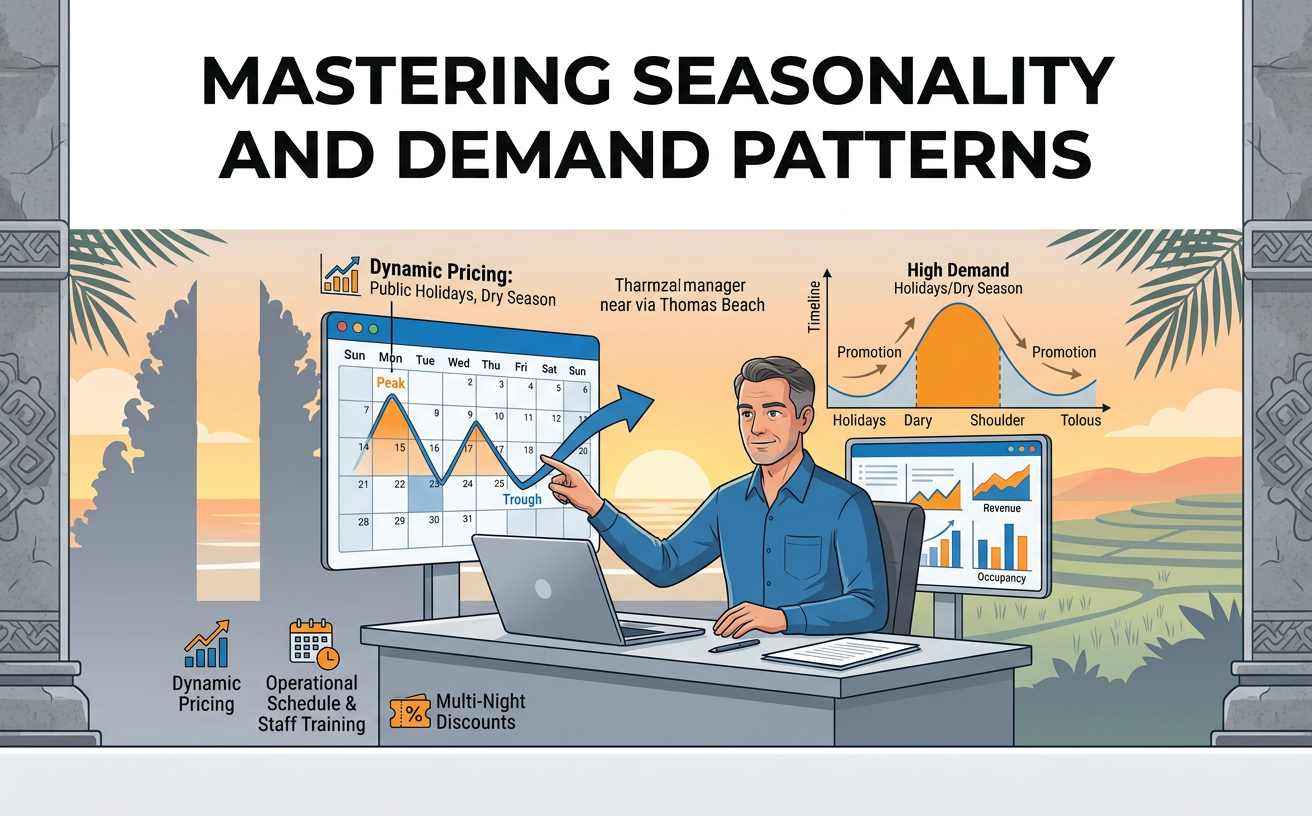
Demand around Thomas Beach shows clear seasonality driven by holiday periods, weather windows, and domestic travel cycles. Peak occupancy and footfall cluster around public holidays and the dry season, while mid-week and shoulder months rely more on targeted promotions and events to sustain numbers. Understanding these patterns allows operators to plan pricing, staffing, and maintenance to maximize occupancy during peaks and protect margins during slower periods.
Operational implications
- Use dynamic pricing during high-demand weekends and fixed-rate packages in shoulder months.
- Schedule maintenance and staff training in predictable low-demand stretches to avoid revenue disruption.
- Promote multi-night discounts for stays that span peak-transition dates to smooth occupancy.
Accommodation Performance and Monetization
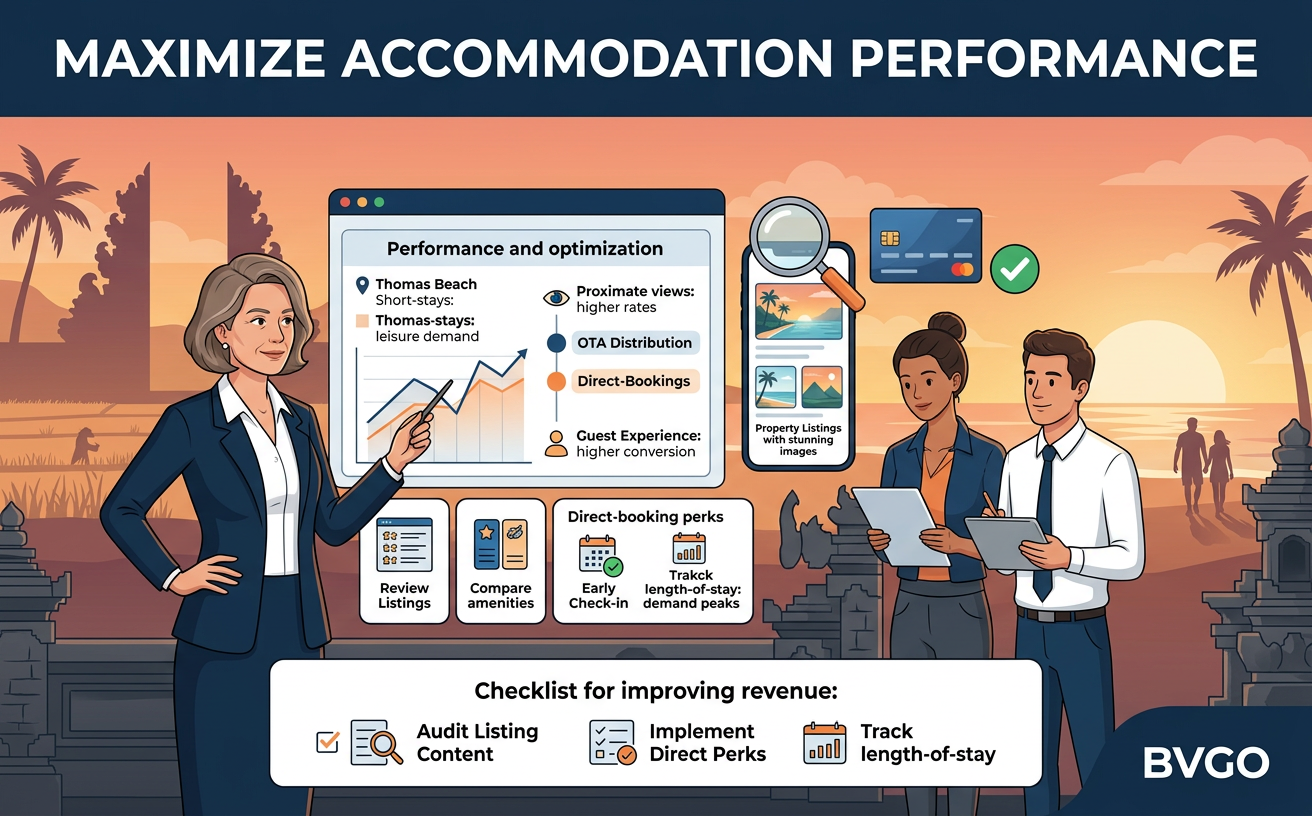
Short-stay properties near Thomas Beach benefit from a mix of leisure and experiential demand, but performance varies by property type, guest profile, and marketing reach. Villas and boutique stays that highlight proximity to the shore, local experiences, and private amenities consistently command higher nightly rates, while generic listings compete primarily on price. Effective distribution across OTA channels, direct-booking incentives, and an emphasis on guest experience drive higher conversion and repeat bookings.
Checklist for improving revenue
- Audit listing content and photography to emphasize beach access and unique selling points.
- Implement direct-booking perks (early check-in, welcome packages) to reduce OTA commissions.
- Track length-of-stay and adjust minimum nights strategically around demand peaks.
Marketing, Experience Design, and Local Partnerships
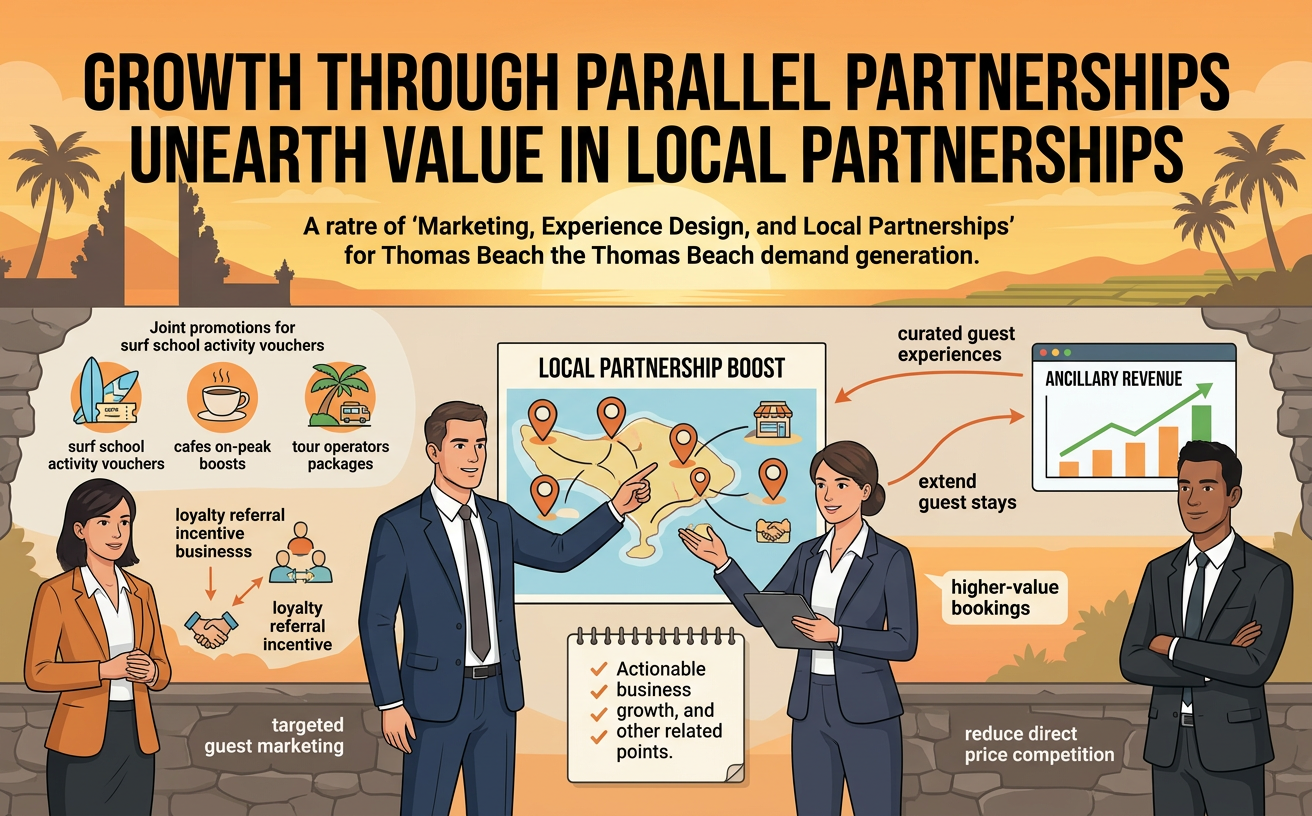
Demand generation for Thomas Beach is shaped by targeted marketing and curated guest experiences that connect visitors with local culture and amenities. Partnerships with surf schools, cafes, and tour operators create packages that extend guest stays and increase ancillary revenue. Clear positioning—whether as a surf-focused hub, family-friendly beach, or experiential retreat—helps properties capture higher-value bookings and reduces direct price competition.
Actionable partnership ideas
- Bundle hotel or villa stays with local activity vouchers to increase average spend per guest.
- Collaborate on joint promotions with nearby F&B outlets for off-peak visitation boosts.
- Create loyalty or referral incentives with neighboring businesses to capture repeat regional traffic.
Key Takeaways
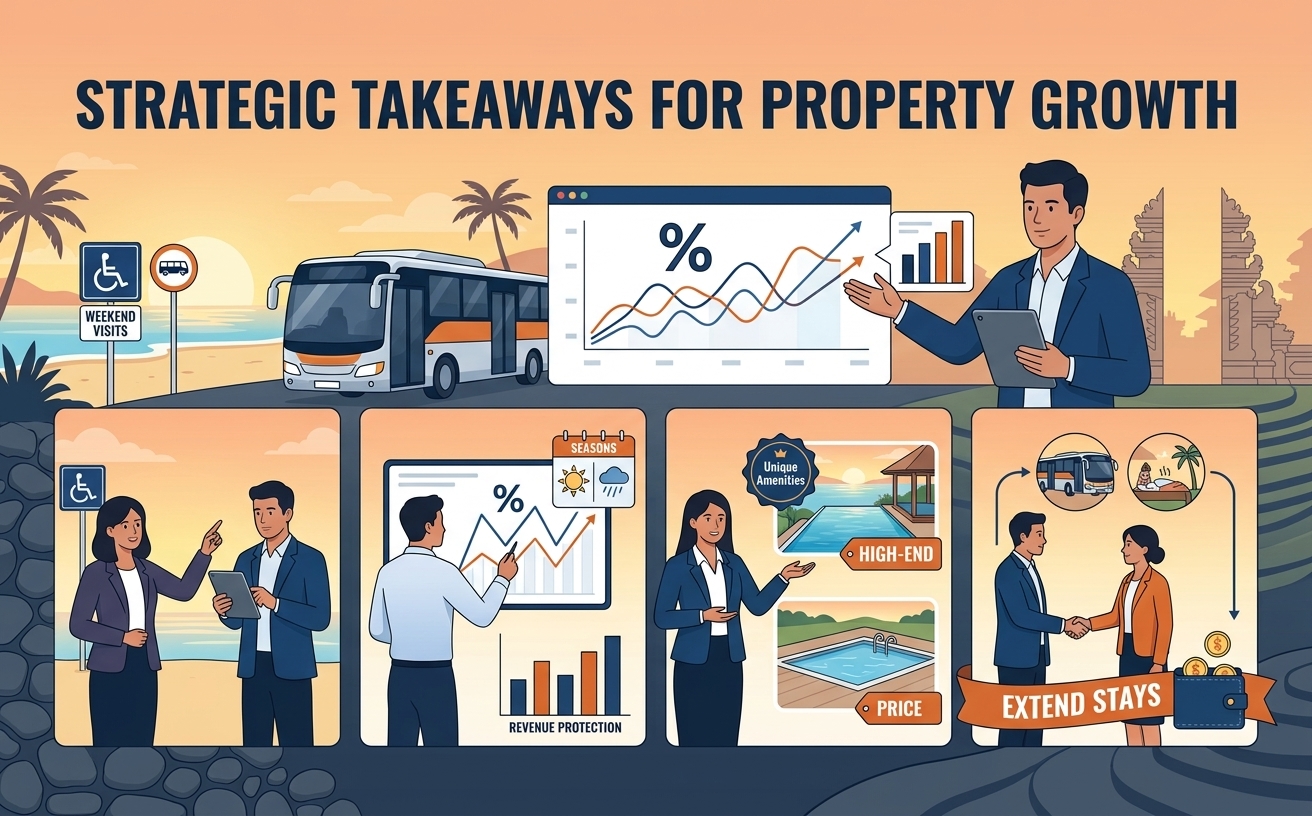
- Accessibility investments and shuttle services materially increase spontaneous and weekend visits, expanding the effective market for Thomas Beach properties.
- Seasonal demand requires dynamic pricing and operational planning to protect revenue across peaks and troughs.
- Property differentiation—through experience, amenities, and marketing—drives higher rates and repeat bookings versus competing on price alone.
- Local partnerships and packaged experiences are high-leverage ways to extend stays and capture ancillary revenue.
Final word: Thomas Beach presents a growing opportunity for property owners who align accessibility, season-aware pricing, and experience-driven marketing. Owners and managers who act on these drivers can convert rising visitor interest into sustained occupancy and improved revenue per available room.
Jason, Business Journalist at Bukit Vista
You’re a property owner? Wondering What Could Your Bali Villa Really Earn?
Get a data-driven revenue projection based on your property type, area, and bedroom count. Discover your villa’s true earning potential in Bali.