
We’re unpacking content from Bali Business Review on YouTube, extracting the primary facts and operational data that challenge conventional hiring assumptions in Bali hospitality. The piece compiles evidence around training overhead, guest satisfaction metrics, regulatory costs, turnover rates, and brand positioning to explain why local-only hiring can be a costly strategy.
Hi, I’m Jason, a Business Journalist at Bukit Vista, and I’ll be unpacking analysis from Bali Business Review. Today, we’ll dive into Counterintuitive Bali Hiring: Why Locals Are the Worst Choice to offer clear, data-driven insights.
Skills Mismatch and Training Overheads
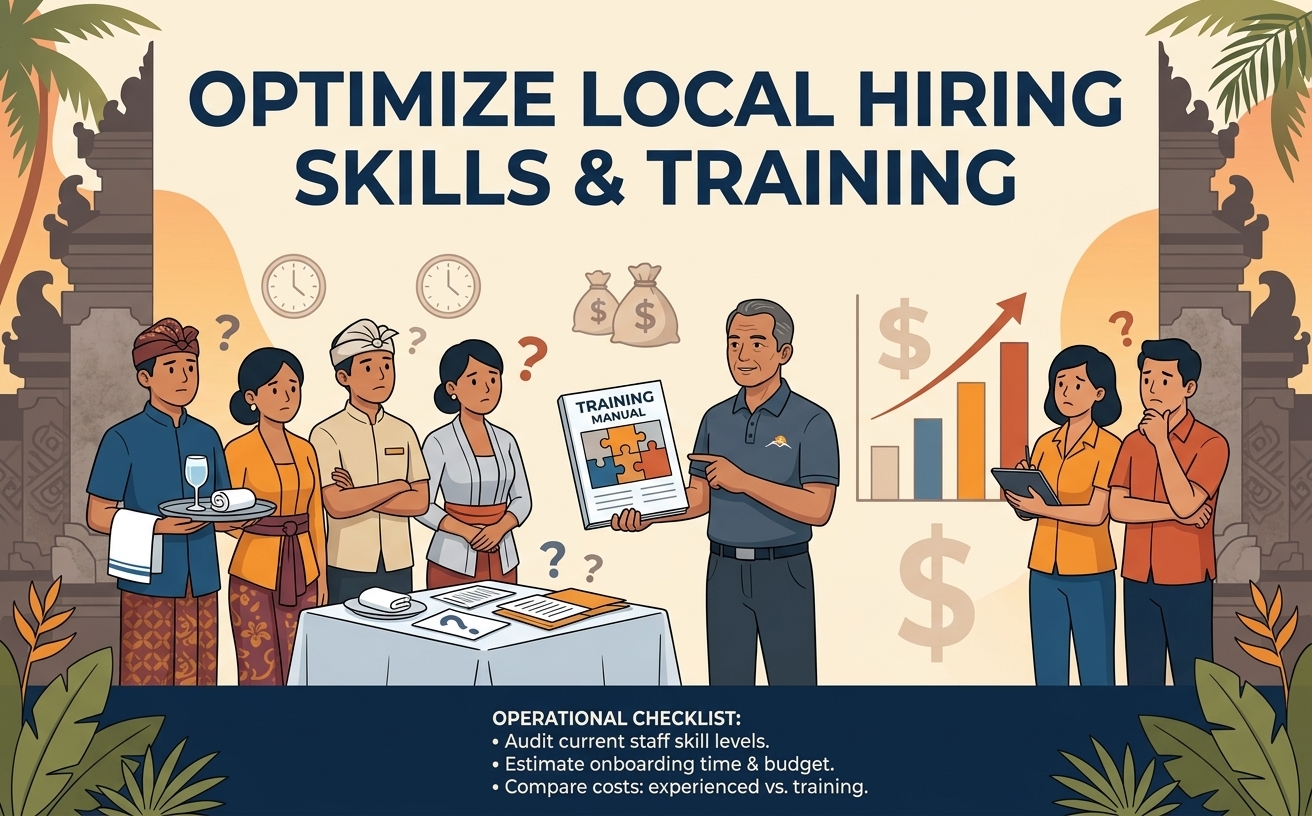
The analysis highlights that many local hires arrive without standardised hospitality training, which increases onboarding time and ongoing supervision needs. Property owners often face months of on-the-job training to reach consistent service levels, pushing up operational costs and delaying revenue optimization. This hidden expense can outweigh initial wage savings and affect the guest experience during the ramp-up window.
Operational checklist
- Audit current staff skill levels against required service standards.
- Estimate onboarding time and budget for structured training programs.
- Compare the cost of hiring experienced hospitality professionals versus extended training.
Language Proficiency and Guest Expectations
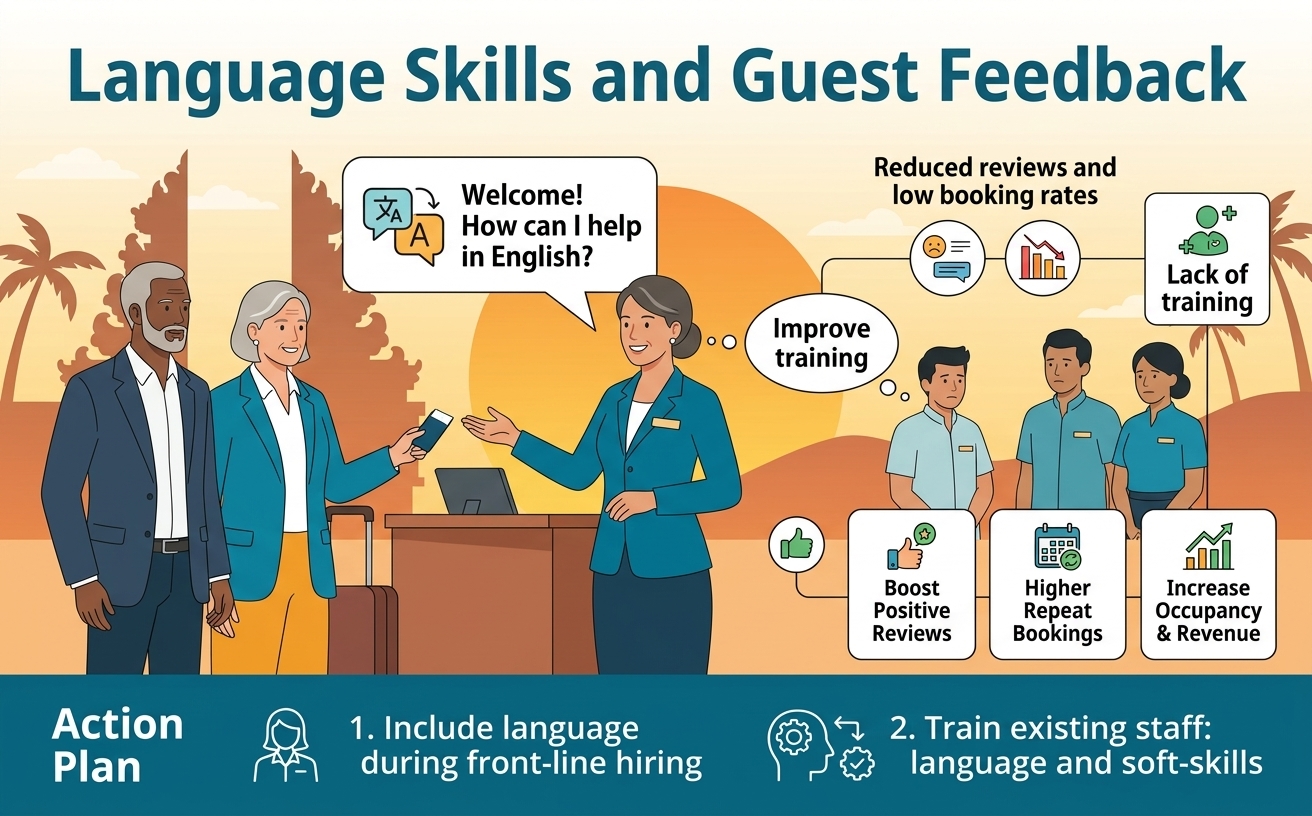
English fluency and cross-cultural service skills are repeatedly linked to higher guest ratings and repeat bookings, and the report shows gaps in these areas among many local hires. Miscommunications can trigger negative reviews, lower occupancy, and reduced average nightly rates—direct impacts on revenue. Prioritising language competency or bilingual staff reduces friction and improves guest satisfaction metrics faster.
Practical actions
- Include language proficiency as a hiring criterion for front-facing roles.
- Invest in targeted language and soft-skills training for existing staff.
Regulatory Complexity and Hidden Costs
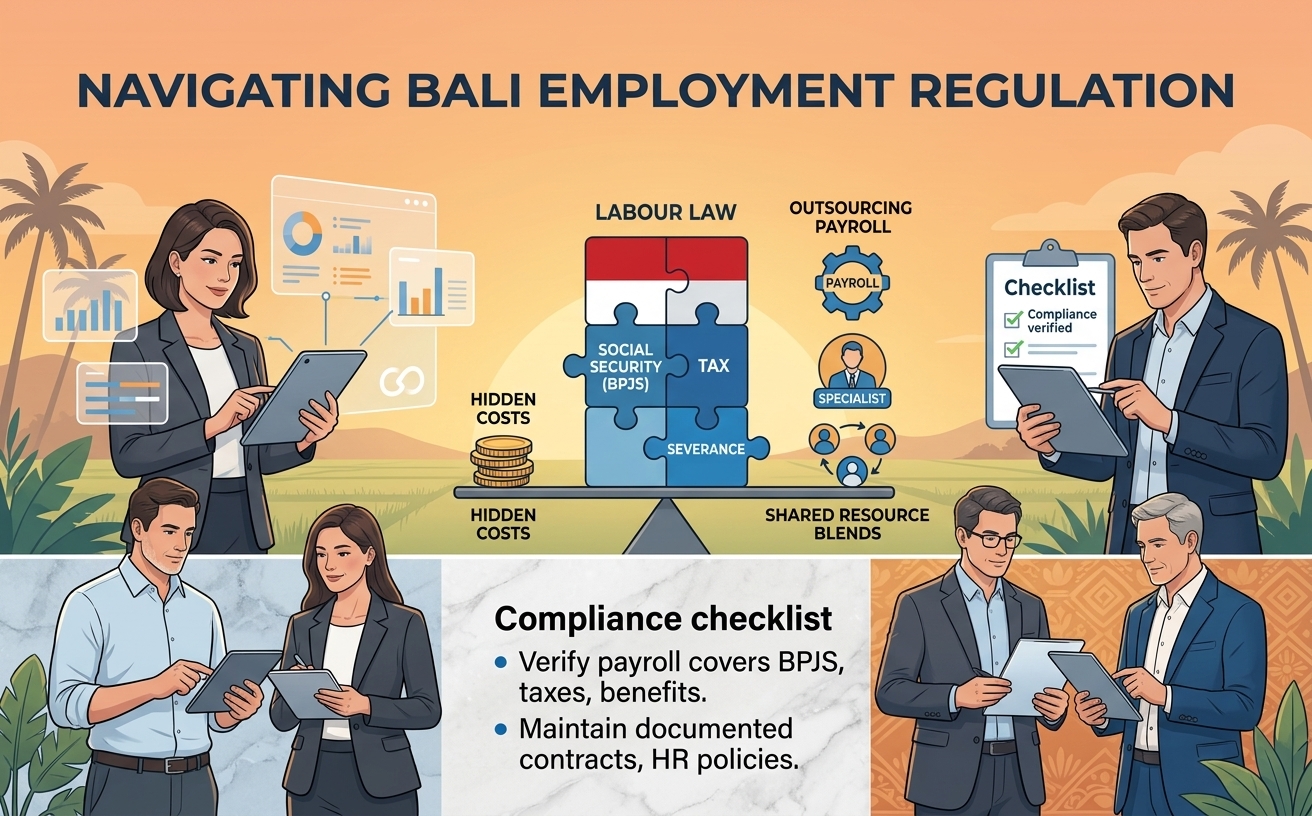
Employing local staff involves navigating Indonesian labour regulations, social security (BPJS), tax obligations, and severance rules that add administrative weight and potential long-term liabilities. The analysis points out that compliance missteps generate fines and unexpected costs which smaller property owners may underestimate. Outsourcing payroll, using local HR specialists, or blending employment models can mitigate these risks.
Compliance checklist
- Verify payroll processes cover BPJS, taxes, and statutory benefits.
- Maintain documented contracts and HR policies to reduce legal exposure.
Turnover, Seasonal Labor and Reliability
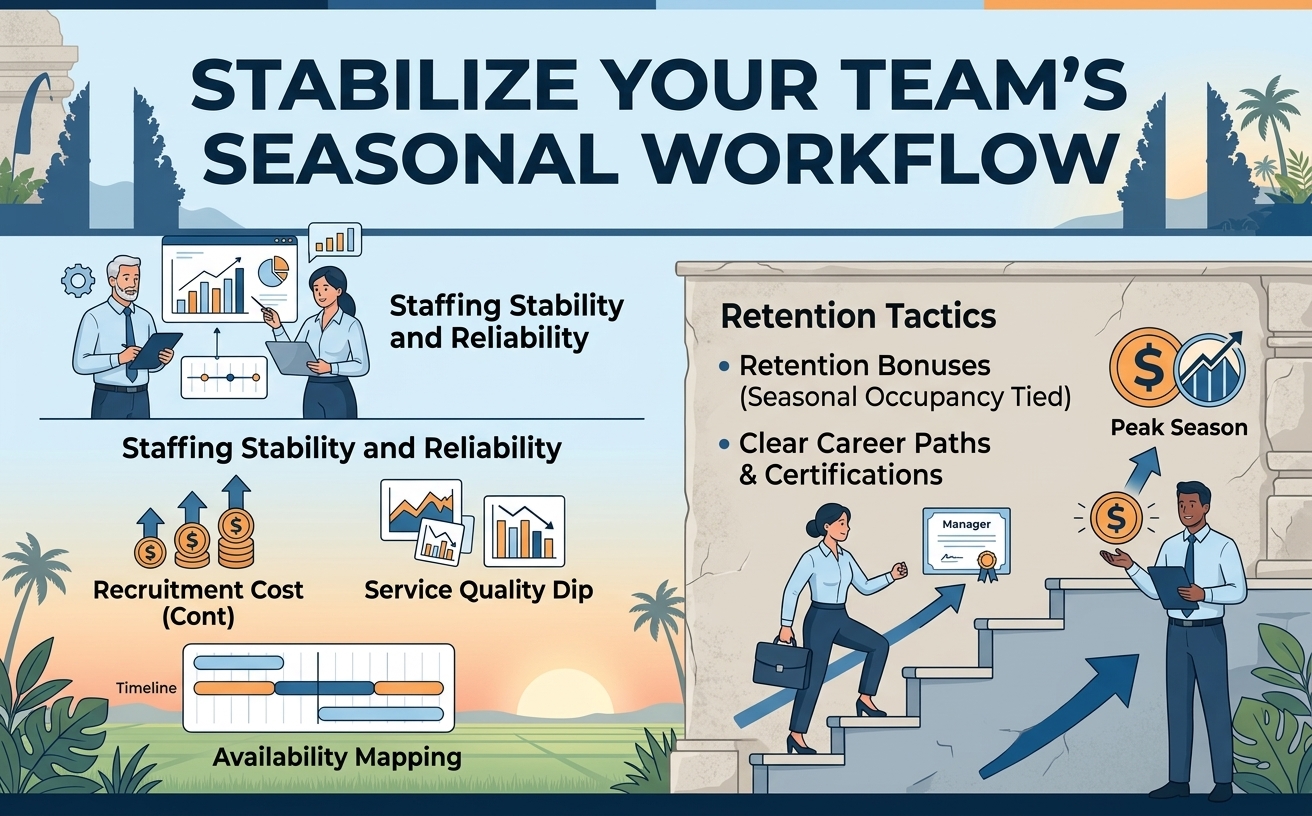
High turnover and migration to other informal or tourist-season jobs reduce continuity and institutional knowledge within teams. Frequent replacements raise recruitment costs and disrupt service quality, especially during peak seasons when training time is limited. The report recommends mapping staff availability patterns and building retention incentives to protect operational stability.
Retention tactics
- Implement retention bonuses tied to occupancy seasons.
- Create clear career paths and certification incentives to reduce churn.
Brand Positioning and Service Consistency

For villas and boutique properties targeting international travellers, consistent, internationally-recognised service standards are a key differentiator. The analysis argues that hiring experienced hospitality professionals—regardless of origin—or creating mixed teams can protect brand reputation and support premium pricing. Thoughtful recruitment aligned to brand promise translates directly into higher RevPAR and stronger online ratings.
Brand alignment checklist
- Define core service standards that map to desired guest personas.
- Benchmark guest reviews against staffing models to measure impact.
Key Takeaways

- Prioritise skills and language competency over local-only hiring to protect guest experience and revenue.
- Quantify onboarding and compliance costs before assuming local hires are cheaper.
- Use mixed staffing models and retention incentives to balance local engagement with service consistency.
- Audit staffing impact on guest ratings and RevPAR regularly to inform hiring strategy.
Final word: the business impact is clear—short-term savings from local-only hiring can erode profit through higher training, compliance, turnover, and weaker guest reviews. Property owners should adopt a data-first staffing strategy that balances local employment goals with measurable revenue and brand outcomes.
Jason, Business Journalist at Bukit Vista
Get a data-driven revenue projection based on your property type, area, and bedroom count. Discover your villa’s true earning potential in Bali.