
DENPASAR, Bali – Rabies remains a serious public health concern in Bali, where authorities have recorded 34,561 animal bite cases in the first half of 2026—an average of 205 incidents every day—while five people have died from the disease this year.
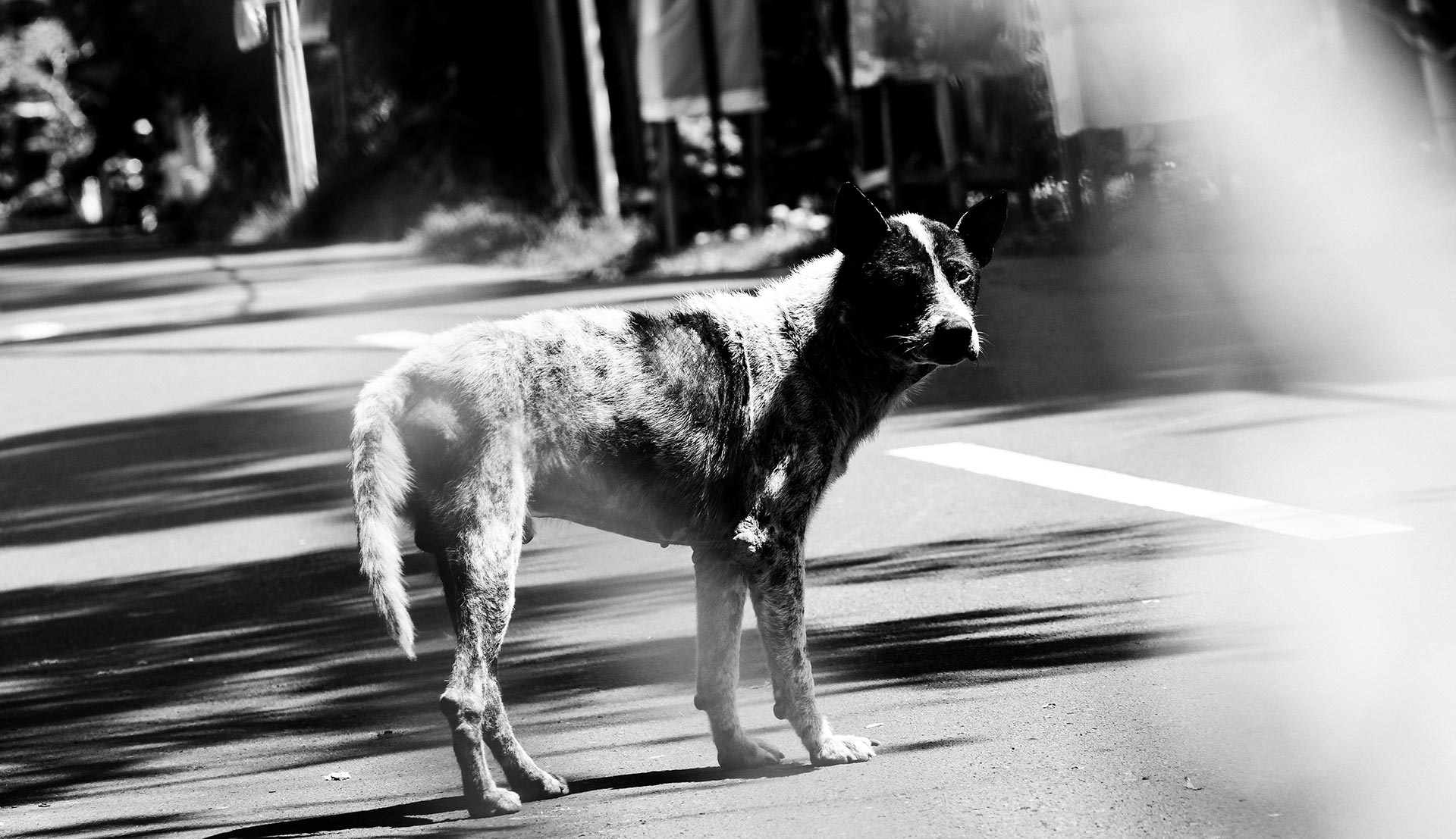
The latest incident occurred in Banyuasri, Buleleng, where three children were bitten by a stray dog believed to have rabies after being attacked at separate locations within less than an hour. The case has renewed concerns over the continued spread of the deadly virus on the island.
According to Bali Provincial Health Office data, the three children were attacked at different locations before the animal was suspected of being infected with rabies.
Responding to the incident, Head of Disease Prevention and Control at the Bali Provincial Health Office, dr. I Gusti Ayu Raka Susanti, said every reported animal bite is immediately handled by local health facilities under established rabies response protocols.
“Every bite case is managed by the local community health centre, including wound treatment and the administration of anti-rabies vaccine (VAR) or anti-rabies serum (SAR) when indicated,” Raka said.
“We also coordinate with the local Agriculture Office to ensure the animal involved is properly handled. This has become the standard procedure for rabies management in healthcare facilities.”
The latest figures highlight the scale of the challenge facing the island.
From January to 19 June 2026, Bali recorded 34,561 bites from animals capable of transmitting rabies. Of those cases, 26,106 victims received anti-rabies vaccinations as a preventive measure.
Badung recorded the highest number of reported bites with 6,599 cases, followed by Karangasem (4,403), Denpasar (4,214), Buleleng (3,930), Tabanan (3,864), Gianyar (3,834), Jembrana (3,408), Klungkung (2,485) and Bangli (1,824).
Health officials said the figures translate to an average of 205 reported animal bite cases every day across Bali.
Rabies has also claimed five lives in Bali so far this year, underscoring the importance of seeking immediate medical treatment after any suspected exposure.
What to Do After an Animal Bite
The World Health Organization (WHO) advises anyone bitten or scratched by a mammal to immediately wash the wound thoroughly with soap and running water for at least 15 minutes and seek medical attention as soon as possible. Prompt post-exposure treatment, including anti-rabies vaccination when indicated, can effectively prevent the disease from developing.
Disclaimer: While every effort has been made to ensure accuracy, this article may contain minor inaccuracies
in names, locations, or event details. Readers are welcome to contact the editorial team for any clarification.