
As the peak season arrives in Bali, the island is ready to welcome an influx of tourists and holidaymakers from around the world. Despite concerns that the conflict in the Middle East would affect international travel, Bali remains unaffected and is set to meet its 2026 tourism targets with ease.
As demand for Bali travel shows no sign of slowing down, many local communities and frequent visitors to Bali are asking whether the island’s most popular destinations can sustain this exponential growth.
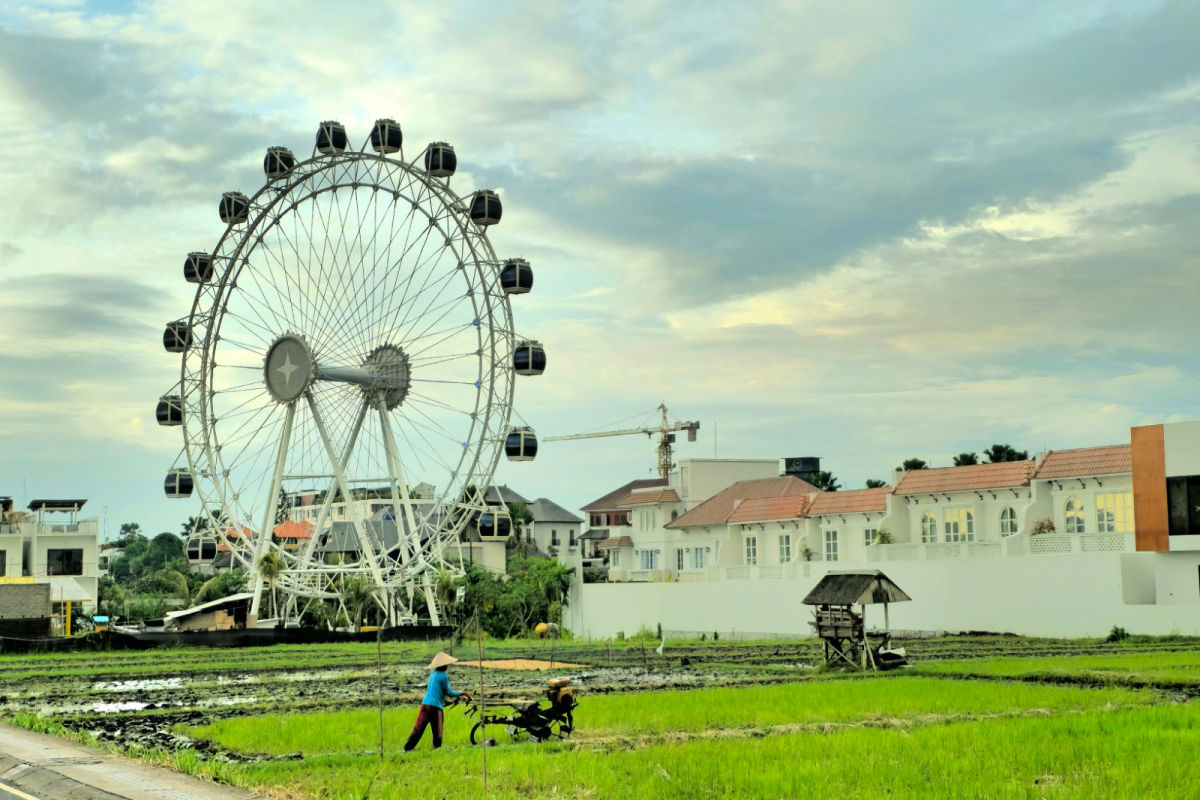
Nusantara Atlas, a web app aimed at protecting tropical forests and green landscapes in Indonesia and beyond, has been bringing attention to the rapid rate of land conversion in Bali’s faster-growing resort, Canggu.
Canggu is easily the most in-demand tourist destination in Bali. For anyone who visited the coastal community ten years ago and hasn’t been back since, it would be unrecognizable now.
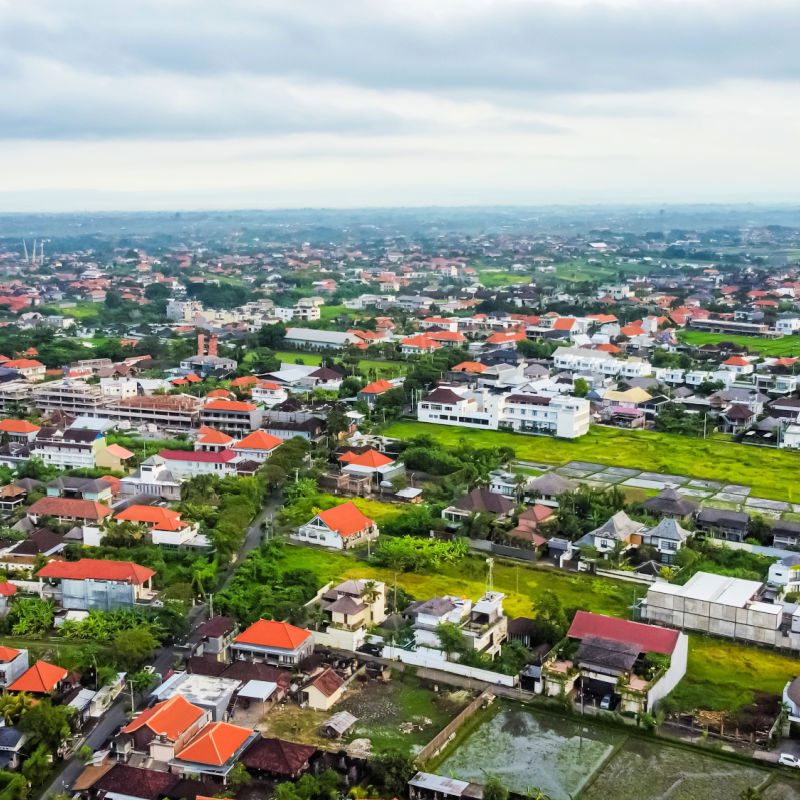
The difference has been showcased by Nusantara Atlas, which has used satellite monitoring technology to show how much of the farmland, mostly rice paddy landscape, that surrounds the communities of Canggu, has been transformed into commercial properties and tourist accommodation by the end of 2025.
Nusantara Atlas shares, “The transformation of southern Bali is remarkable and ongoing. Anyone who has visited Bali can attest to the rapid pace of change. Come back just six months later, and you’ll likely find new restaurants, villas, beach clubs, and resorts mushrooming across the landscape.”
Explaining further, Nusantara Atlas continued, “In 1965, the KH-7 Gambit satellite captured high-resolution monochrome images of southern Bali, with a ground resolution of 0.61–0.91 meters. Now declassified, these images are available on Nusantara Atlas.”
“They provide a rare snapshot of the region’s landscapes before the tourism boom, offering an invaluable reference for understanding the dramatic changes Bali has undergone over the past six decades when compared to modern imagery.”
The images are shocking. In 1965, 76% of Canggu Village was mapped as ricefields. By 2025, this dropped to just 44%, with the vast majority of that land transfer happening in the last 10-15 years. For further contrast, in 1965 urban development accounted for 0.05% of Canggu’s mapped land use, and this soared to 51% by 2025.
This not only poses an issue for local agriculture and Bali’s heritage but also poses practical infrastructural concerns. While all this urban development has taken place, every little investment has been made in leveling up the essential infrastructure for local communities and this commercial hub. This is why, when it rains, the area quickly floods, as the agricultural land is not there to absorb the rainfall.
This is also why there is hectic traffic in Canggu because village roads and farm tracks are now supporting city-level traffic demands.
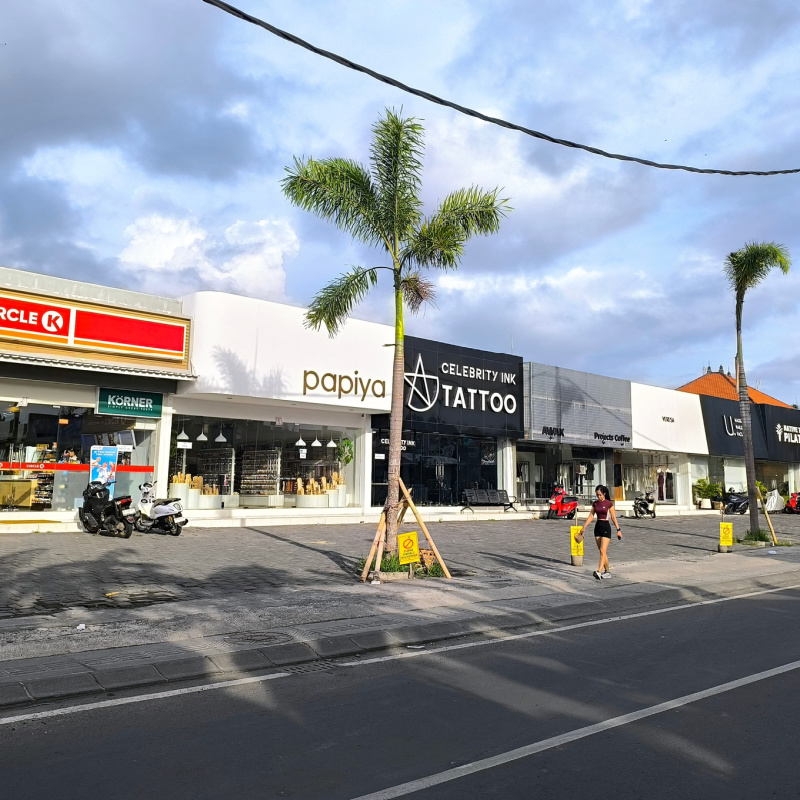
In light of the images and a number of illegal land use lawsuits filed against foreign-owned tourism businesses in Canggu Nusantara, Atlas has called for Balinese and Indonesian residents, business developers, international investors, and tourists to reflect on the issue.
Nusantara Atlas wrote, “Canggu’s transformation is not just about development. It is a question of balancing growth and sustainability, investment and cultural heritage, short-term expansion and long-term resilience.”
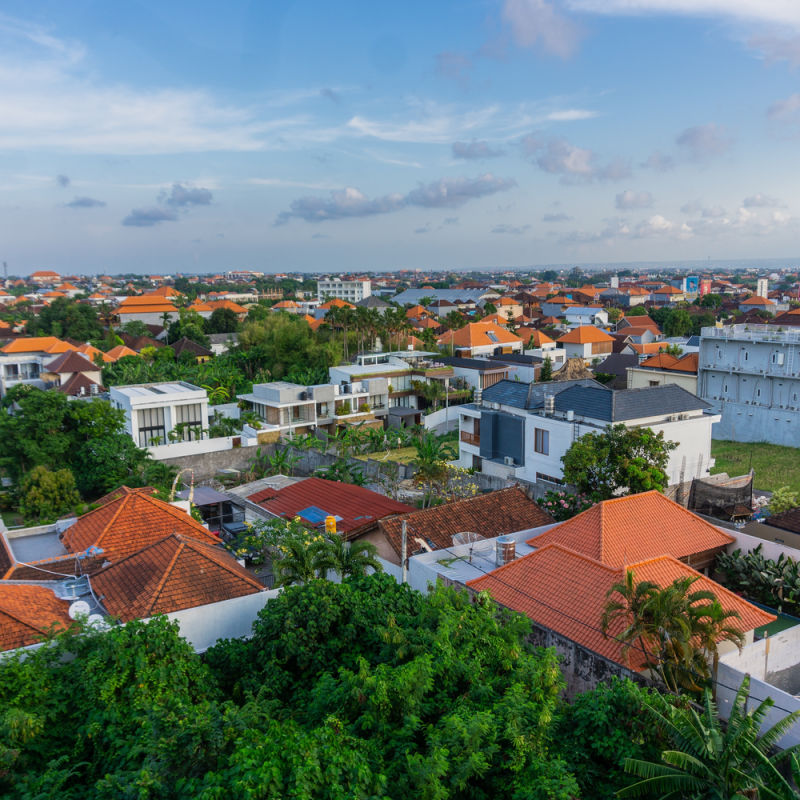
Adding “The remaining rice paddies in Subak Uma Desa are not empty plots. They are part of Bali’s ecological infrastructure, cultural identity, and food system. What remains today can determine what will survive in the future.”
While it is not up to individual tourists to solve these issues, all holidaymakers visiting the province should be aware of them so they can make an informed decision about how they want to contribute to the island’s preservation.
Tourists can opt to stay at hotels and resorts that have committed to sustainability practices. Tourists can also book activities, trips, and tours that explore the island’s culture and natural heritage.
Discover more from The Bali Sun
Subscribe to get the latest posts sent to your email.