
Leaders in South Kuta in Bali have been issuing warnings to tourists and communities regarding the rising number of rabies cases in the area. The Badung Agriculture and Food Service has confirmed that more dog bites from rabies-positive animals have been recorded.
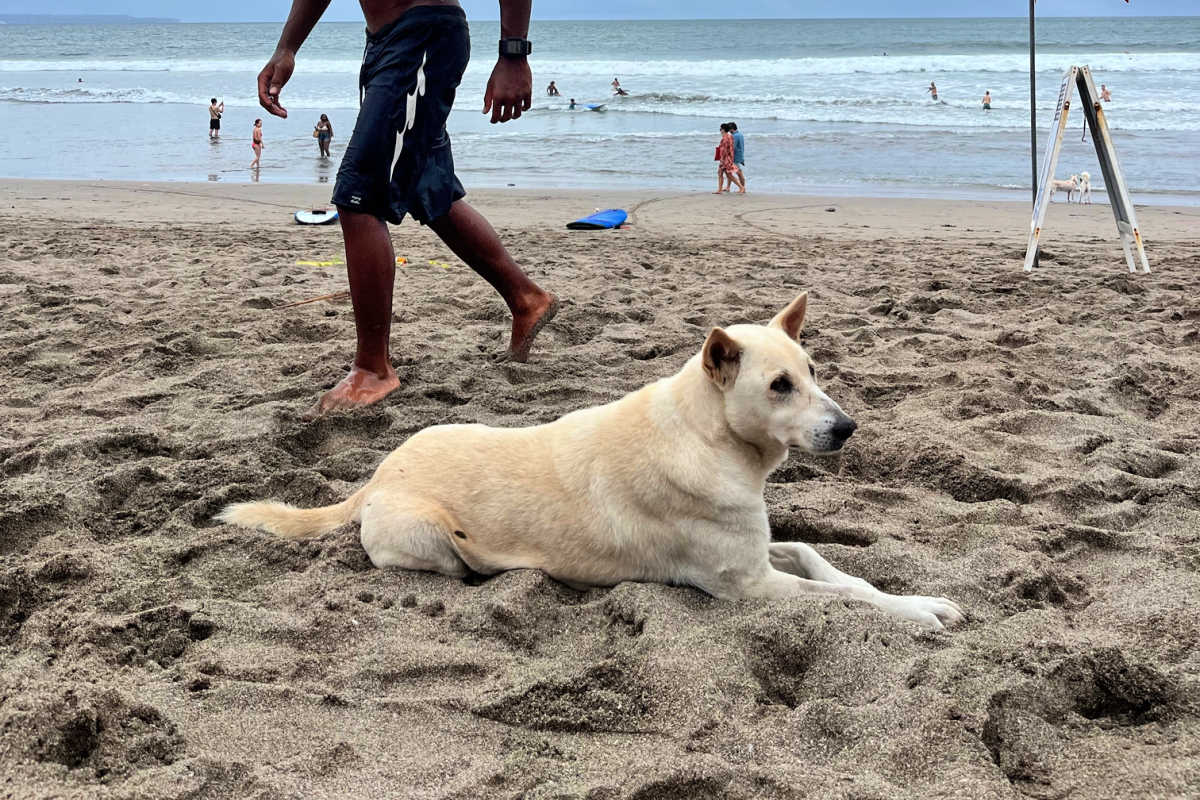
Speaking to reporters, the Acting Head of Animal Health, Anak Agung Istri Brahmi Witari, explained that the South Kuta District is now in the red zone, as well as several other villages in the Mengwi District. According to him, even though there is only one or two bites of dogs in each location.
The South Kuta District includes tourist resorts such as Tanjung Benoa, Nusa Dua, and Jimbaran. Mengwi District is home to tourism hotspots like Canggu’s Pererenan Beach and Seseh.
Witari told reporters, “The case is at least one or two dogs, no more than five. This data is until July 2025. The dominance of the red zone in South Kuta is because the terrain has many bushes, so it is used as a nest by wild dogs, and this is one of the reasons.”
He confirmed that in the event that a rabies case is reported to be detected in the region, a mass vaccination program for starting dogs in the area is immediately rolled out. One of the dog bite incidents was recorded at the Bali State Polytechnic Campus in Jimbaran, and the other was nearby on Jalan Pratama. Witari told reporters that in both locations, stray dogs were vaccinated on July 10, while residents who were bitten were directed to get rabies vaccines at the Health Center.
He shared, “We have a UPT in South Kuta, namely Satker Puskeswan, who immediately intervened. We also routinely do mass vaccinations and vaccinations. If the vaccination coverage is below 70 percent, we will go down again with further vaccination and emergency vaccination.”
Witari also confirmed that his teams are working together with the ‘animal lovers’ community to sterilize and vaccinate dogs in tourist areas. The last campaign was carried out in the ITDC, the Nusa Dua resort area. He noted that education and community awareness programs continue to be intensified so that residents do not let their pet dogs roam freely in the streets.
He shared, “Vaccination is protection for us and pets. We urge the public not to let their dogs roam. If you have a dog, it must be handled or tied up. Rabies vaccination must also be done every year.”
He called on the public to ensure that their pet dogs, adopted dogs, and community-owned dogs are vaccinated. He also urged the public not to panic but to act calmly and swiftly in the event of a dog bite.
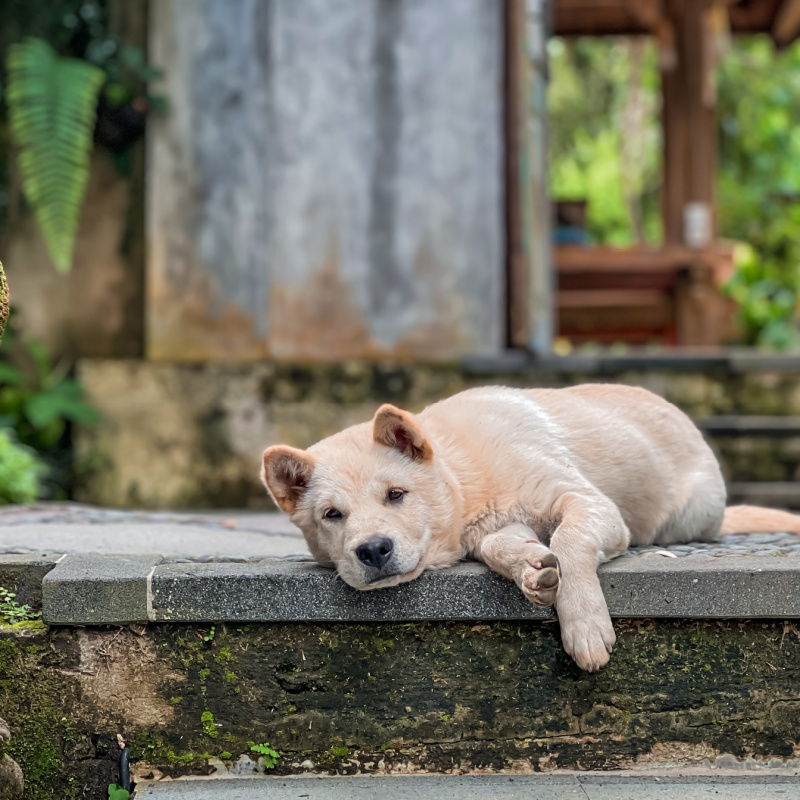
Witari told reporters, “It’s okay to be alert, but don’t panic. We appeal to the head of the neighborhood to confirm that the residents should not let their dogs go.”
“So everyone must be aware of that. It is mandatory to vaccinate the dog every year, as it is to protect us and the animals as well.”
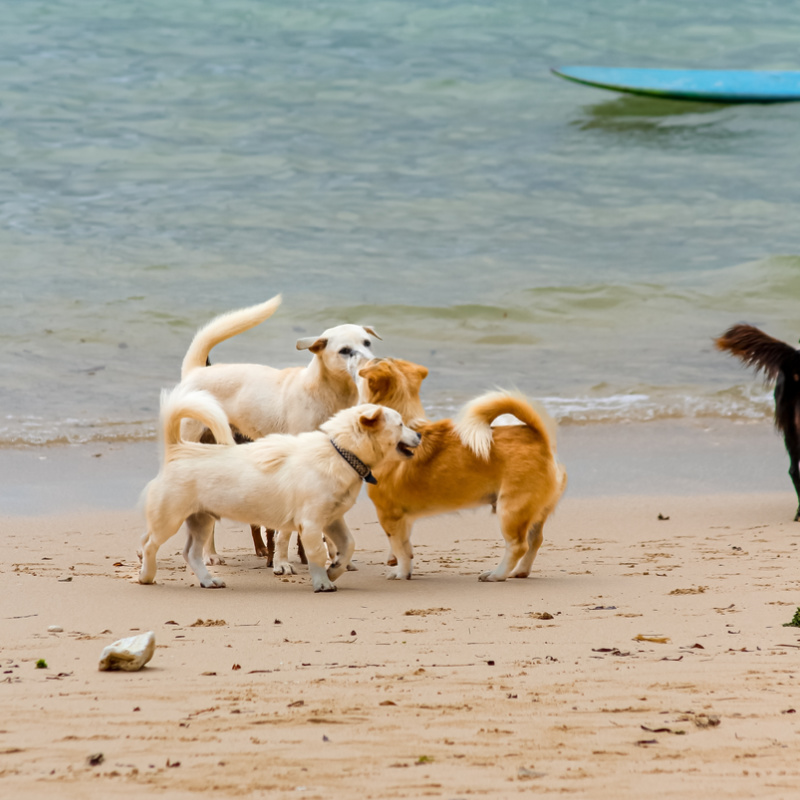
Tourists traveling to Bali are advised to take some time to understand the risks of rabies and the protocols that must be followed in the event of exposure. Detailed explanations of post-rabies exposure protocols can be found on the World Health Organisation website.
When traveling in Bali, it’s not only dog bites that tourists have to be cautious of in terms of rabies, but monkeys too.
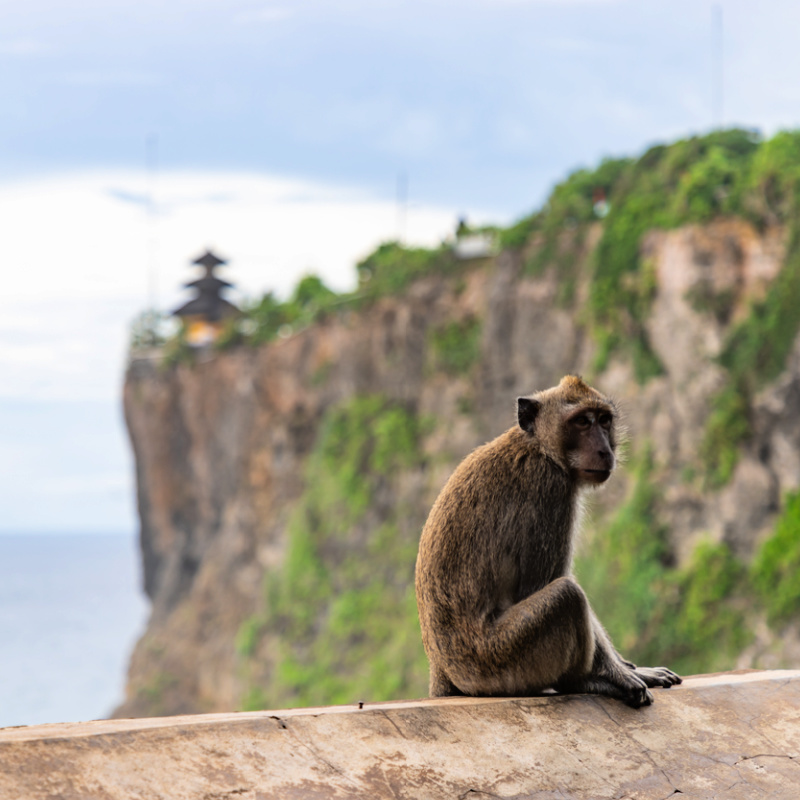
While all of Bali’s major monkey attractions, unchanging Ubud’s Monkey Forest and Uluwatu Temple, have comprehensive rabies prevention programs, the same post-exposure protocols must be followed in the event of being bitten, scratched or exposed to the saliva of a monkey.
Discover more from The Bali Sun
Subscribe to get the latest posts sent to your email.