
Bali has announced plans to introduce financial checks on tourists visiting the island. The plans come as provincial leaders want to ensure that only high-quality, high-spending tourists visit the island, as a measure to help conserve local culture and the environment.
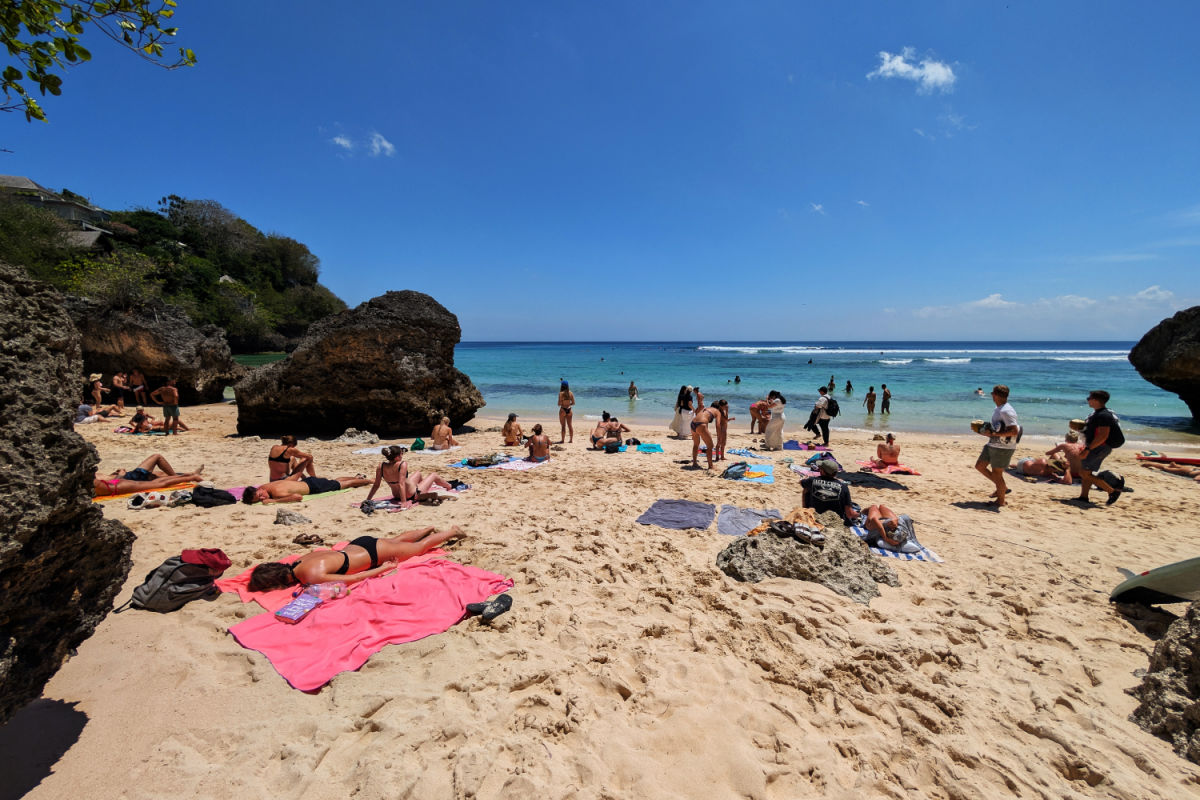
Bali’s Governor Wayan Koster has announced plans to check the financial status of all foreigners arriving on the island.
This will range from tourists arriving on eVisa on arrival as well as those with longer stay permits, such as KITAS and KITAP, as has always been the case. The new policy plans have received mixed reviews from regular visitors to Bali, local leaders, and tourism stakeholders.
During a press conference held in Ubud, Governor Koster was joined by Indonesian Tourism Minister Widiyanti Wardhana, who has given her backing to the idea. Governor Koster has been clear that the reason for proposing such a new policy is to help encourage more quality tourism in Bali and to create a sense of equality across immigration policies, since Indonesian nationals must also show bank statements when traveling to most other countries.
Governor Koster explicated, “One aspect of a quality tourist that needs to be considered is the amount of money in your savings account over the last three months.” He added, “This is to ensure everything is under control, just like when we [Indonesians] travel to other countries, we will do the same with other countries’ policies.”
However, he has not outlined how this policy would be introduced, and neither did Minister Wardhana share any insights as to whether this would be a regional policy or a piece of legislation added to the national immigration law.
This is a key issue that has now been highlighted by legislators and politicians in Bali, who want a more concrete outline from Governor Koster as to the mechanisms that would make this tentative plan a reality.
Bali Sentor Agung Bagus Prastiksa Linggih shared observations with reporters about the policy plans in practical terms. He explained that the issue of checking tourists’ bank statements is a time-consuming one, and one that needs a great deal of systematic consideration.
The biggest question is whether this would be a provincial policy or a national policy, since it seems Governor Koster’s vision is that the financial checks would determine whether or not a visa is issued.
Senator Linggih explained, “If immigration has already permitted entry or issued visas, then the region wants to propose further restrictions, which raises questions. We must ensure that the regional regulations we create do not create conflict with higher-level laws.”
He added, “How do you check your balance? Does everyone use the same bank? Bank statement processing is an immigration matter, not a local government matter. We do not have access to that.”
Senator Linggih highlighted that increasing the uptake of the Bali Tourism Tax Levy policy could be a more profitable and achievable target, as it is currently paid by an average of 34% of tourists despite being mandatory.
Senator Linggih was also clear that, in implementing financial restrictions on tourists, the travel experiences on offer must be up to standard. He noted, “If you want quality tourists, the facilities must also be quality. This isn’t a chicken-and-egg situation. If the facilities are good, the number of tourists will automatically be good.”
Similar concerns were noted by Bali Senator Ida Bagus Rai Dharmawijaya Mantra, who told reporters, “In principle, checking the account balance of a foreign national falls under the authority of the central government. Therefore, regional policies that address this aspect require clear coordination.”

For now, tourists traveling to Bali are not expected to present financial statements to immigration officials upon arrival, nor during visa application. However, tourists must have sufficient funds to support them for the duration of their stay, and have proof of onward travel available should immigration officers request it.
Discover more from The Bali Sun
Subscribe to get the latest posts sent to your email.