
The rapid rate of development across Bali has been a huge topic of conversation in 2024.
With a moratorium due to come into effect that will ban the development of new tourist accommodations in Bali’s busiest tourism resorts, local residents are speaking up about the impact development is having on the cost of living, and there are knock-on impacts for tourists, too.
Speaking to local reporters, Ni Made Fitri Apriyani shared her struggle to buy a property in the province where she was born.
She told reporters that buying her dream home in Bali is now “impossible” and something she can only dream of.
With an income of IDR 3-5 million working in housekeeping at a tourist villa, Apriyani says her income barely covers her basic needs and financial commitments to her family and community.
She said, “Not to mention [monthly outgoings] if there are religious ceremonies. It seems like buying land [or a house] is very far away.”
Her dream is to buy land in Batubalan, in Gianyar Regency, close to Ubud. Yet land prices have now risen to IDR 300 million (USD 18,000) for 100 square meters, which is far out of her reach.
At 32 years old Apriyani is coming to terms with the fact that both domestic and international investment in Bali is driving property and land prices far beyond the reach of the average earner.
According to data shared by Realinfo, a Bali property data provider, average property prices in Bali have risen by 7% per year in the last five years, driven by high demand and infrastructure development. However, in in-demand areas such as Canggu, Uluwatu, Ubud, and Seseh, the reality is much higher.
Further data shows that the annual increase in property prices in Denpasar in September 2024 reached 15.1% compared to the same month in the previous year. This means that this increase is much faster than the inflation rate, with a difference of 11.6%.
Gede, another Balinese hospitality worker from Denpasar who wished to remain known only by his first name, told reporters how hopes of even renting a property within a 30-minute drive of his workplace were becoming increasingly challenging. He told reporters how he has simply given up trying to find a place to rent in Denpasar.
Gede explained, “Even if I manage to collect the DP [down payment], it probably won’t be enough [for the installments] per month. Because in Denpasar itself, the average price has reached Rp1 billion for a 100 square meter house.”
Ali, originally from West Java, moved to Ubud 10 years ago and bought his dream property. He revealed to reporters that over the last few years he has been approached in his home by foreigners who have wanted to buy his home, despite the private property not being for sale and appearing very much lived in.
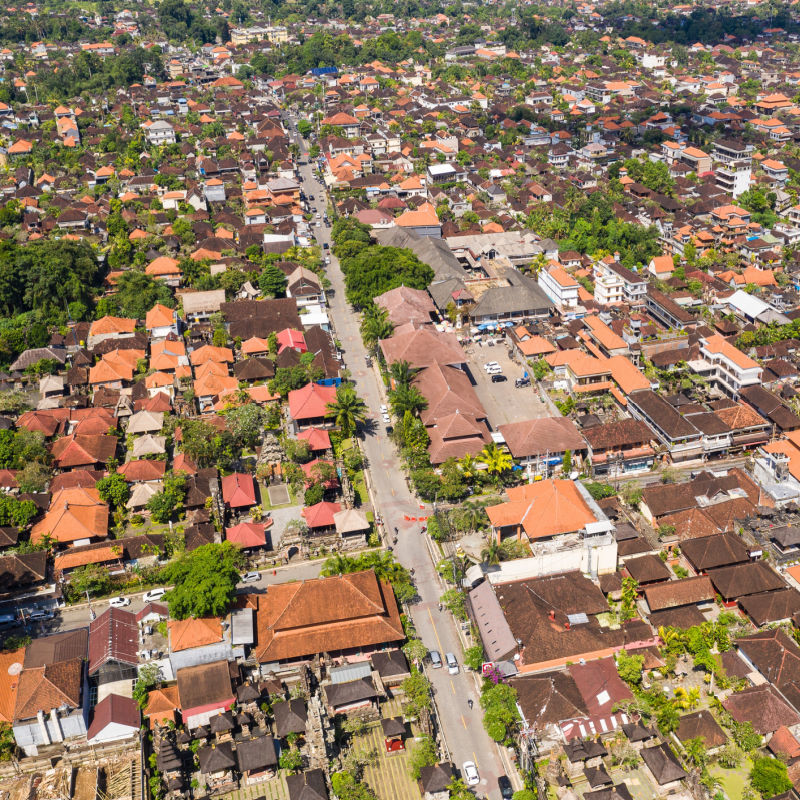
These experiences are not only felt by Balinese communities but by communities around the world who live in or alongside top tourist attracts.
Whether in central Barcelona, Madrid, Venice or Lisbon, the steep inflation caused by demand for tourism rental properties and tourism accommodation is pushing born and bred residents further away from the cities and towns where they want to live.
This is partly why leaders are about to introduce a ban on tourism development in Bali’s fastest-growing resorts.
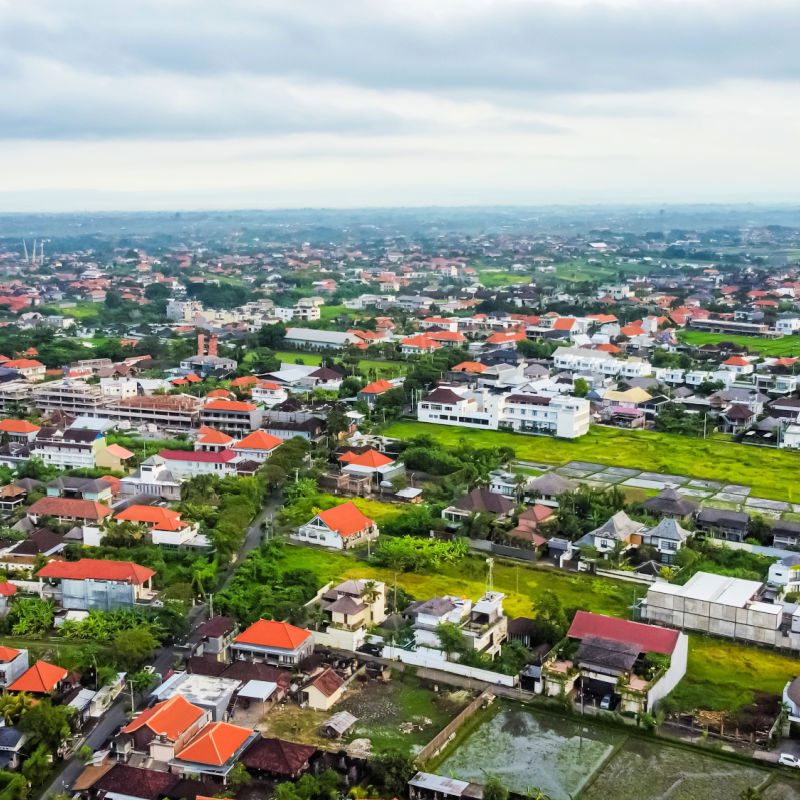
In Bali’s case, this will eventually have an impact on tourists, too.
As property developers both commercial and private are paying more for land and leases, so too will the costs of the return on investment, meaning tourists will be charged more for their stays so investors can recoup costs.
Does this mean that the days of a budget-friendly vacation in Bali are over? Not necessarily, and there are things tourists can do to help support locally owned businesses that are working to benefit the island in the long term.

Super budget-conscious tourists can stay at locally owned and locally managed homestays, guesthouses, and villas that are often rented out at a far lower cost per night than luxury villas.
As demand for travel in Bali continues to grow hotels and resorts will be doubling down on efforts to get guests through the door, there will be an increasing amount of promotions to get tourists to stay longer and spend more; look out for some great hotel deals coming in 2025.
Those staying in Bali long term, either as digital nomads, on a sabbatical, or as retirees, can rent properties directly from Balinese property owners who, again, are often charging less than big real estate agencies and can often be found adverting their properties on local Facebook groups.