

Bali has become a natural gathering place for people from very different worlds. On any given week, the island may host a business conference, creative workshop, community dinner, leadership retreat, cultural gathering, wellness event, private mastermind, or informal meetup. People travel considerable distances to attend, organisers invest heavily in programmes and venues, and speakers prepare carefully for what will happen on stage.
Yet when people look back on the events that mattered most to them, they do not always remember the presentation.
They remember the person they met beside them.
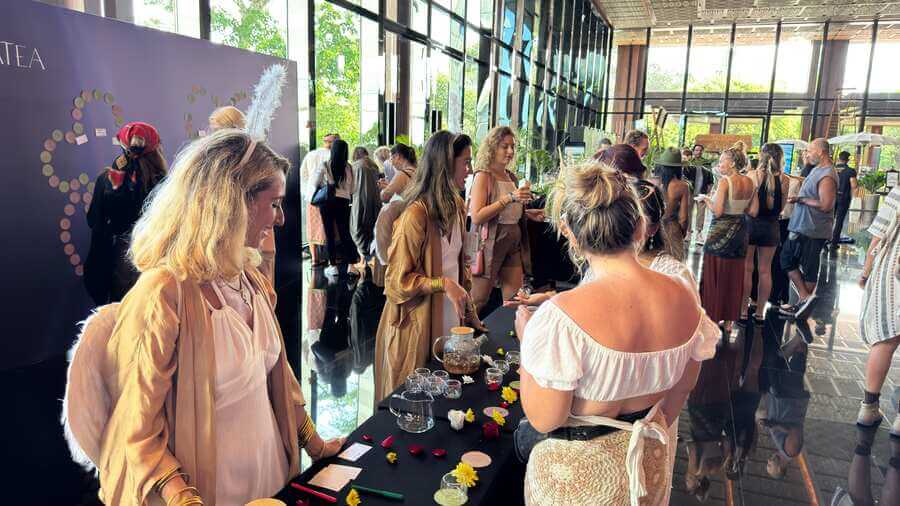
A conversation during lunch may lead to a friendship. Someone waiting for the next session may discover that the person standing nearby has been working on exactly the problem they are trying to solve. Two guests who had never heard of each other before the event may eventually collaborate, introduce their families, work together, or become part of the same community.
These outcomes are difficult to place on an event schedule, yet they are often among the most valuable things an event creates.
This raises an important question for Bali’s growing events industry: are gatherings being designed only around what people will watch, or also around how they will meet?
One reflection challenges the traditional approach directly: “Don’t just come up with an event and here’s the program and here are the speakers and here’s a lunch break. Good luck networking. That doesn’t work anymore.”
The point is not that speakers, content, and programming have become unimportant. Good content can change how people think. A powerful speaker can introduce an idea someone remembers for years. But filling every hour of an event with content can create another problem: there is no room left for people to process what they have heard or discover one another.
Many events still treat networking as something that happens automatically.
Guests arrive. They receive a badge. There may be music and refreshments before the programme begins. At some point, the host announces a networking break and everyone is expected to create meaningful relationships during the next twenty or thirty minutes while also finding food, replying to messages, using the bathroom, and preparing for the next session.
For confident people who already know several attendees, this may work perfectly well. For someone attending alone, arriving from another country, entering a new industry, or naturally feeling uncomfortable approaching strangers, the experience can be very different.
They may spend the entire break speaking to the one person they already know.
Others stand beside their phones waiting for the next session to begin.
Some walk around the room recognising interesting people but never finding a natural way to approach them.
The opportunity is present, but the environment has not helped unlock it.
A well-designed gathering does more than place interesting people in the same location. It creates conditions that make interaction easier.
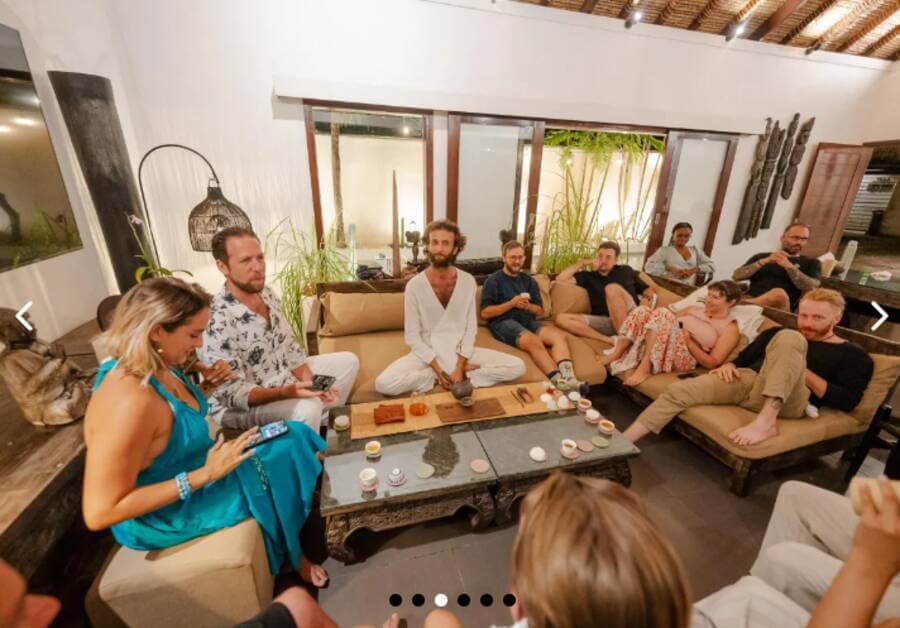
That may begin before the event itself. Participants can be given a clearer sense of who else will attend, what people are interested in, or what kinds of conversations the gathering hopes to create. Instead of arriving as anonymous members of an audience, guests arrive with curiosity.
Once inside, small decisions can make an equally significant difference. Seating can be arranged to encourage interaction rather than separation. Hosts can introduce people who share an interest rather than simply pointing them toward a crowded room. Smaller discussion groups can allow quieter participants to speak. Questions can invite people to talk about something more meaningful than their job title.
Even the timing matters.
Events often operate according to the assumption that efficiency creates value. Sessions begin immediately after one another, lunch is compressed into a short interval, and guests move quickly from one activity to the next. A full schedule may look impressive on paper, but human connection often requires something the schedule does not show very well: unstructured time.
People need enough time for a conversation to become interesting.
The first few minutes between strangers are often predictable. Where are you from? How long have you been in Bali? What do you do? What brought you here?
These questions serve a purpose, but they are usually only the entrance to a conversation. The more memorable part often begins later, when someone shares why they are actually building something, what they are struggling with, what has recently changed, or what they hope to understand.
If the break ends before that point, the conversation ends just as it is becoming meaningful.
This may explain why some of the strongest connections form after the official event has finished. People who remain for dinner, tea, a walk, or another hour of conversation are no longer trying to fit relationships between programme items. The pressure changes. Nobody needs to collect as many contacts as possible before returning to the auditorium.
Bali is particularly well suited to creating this kind of experience because gatherings here do not need to feel limited to traditional conference formats. Events can move between indoor and outdoor spaces, incorporate shared meals, walks, tea, smaller circles, or conversations surrounded by nature. Hospitality can become part of the networking design rather than simply a service surrounding it.
Tea offers one simple example. It takes time to prepare, pour, and drink, which naturally slows the rhythm of an interaction. People can sit together without needing to fill every second with conversation. The purpose is not to make every event a tea ceremony, but to recognise that small rituals can influence how people relate to one another.
A shared meal can serve a similar purpose. The seating arrangement can determine whether guests remain with the people they arrived with or meet someone new. A host can simply allow people to choose their seats, or use the meal as an opportunity to bring together individuals who may have something meaningful to discuss.
This is where hosting becomes different from organising.
Organisation ensures that the microphone works, the programme begins on time, the venue is prepared, and guests know where to go. Hosting asks another set of questions: Who has arrived alone? Who has not spoken yet? Who should meet? Does someone feel excluded? Are people being given enough space to participate rather than simply observe?
Both are necessary.
An event can be perfectly organised and still feel emotionally empty. Another may have a few imperfections yet leave people with the feeling that they genuinely became part of something.
For Bali’s hospitality venues, conference organisers, retreat centres, community builders, and brands, this distinction may become increasingly important. People have access to more information than ever before. A presentation that once required travelling across the world can now often be watched online. Courses can be streamed, interviews can be listened to at home, and almost any subject can be explored through digital tools.
The reason to physically gather therefore becomes more valuable, not less.
People travel because something happens in a room that cannot be recreated entirely through a screen. They notice body language, spontaneous reactions, side conversations, unexpected introductions, and the energy of being surrounded by others who care about the same subject.
The event itself becomes an environment for possibility.
This does not mean organisers are responsible for guaranteeing friendships or business partnerships. Human chemistry cannot be programmed. The goal is simply to improve the conditions in which it can occur.
An introduction can be offered, but the two people still decide whether to continue speaking. A discussion question can open a door, but participants decide how honestly they walk through it. A longer break provides time, but people must still choose to put their phones away.
Guests also carry responsibility for the quality of the experience.
Attending an event only to consume information can limit what the event provides. A person may take pages of notes from the speakers while never learning anything about the people sitting around them. They may leave believing they attended a valuable conference without noticing that another kind of value was available beside them throughout the day.
Sometimes the most useful idea does not come from the stage.
It comes from the person who asks a question afterwards.
Sometimes the most valuable introduction is not to the headline speaker but to another participant working quietly on something complementary.
Sometimes the conversation that appears completely unrelated to the reason someone attended eventually becomes the relationship they remember most clearly.
Bali already brings extraordinary combinations of people into the same spaces. The next opportunity is to become more intentional about what happens once they are there.
A successful event should certainly leave people with ideas, inspiration, or knowledge. But perhaps it can also leave them with something more difficult to measure: a person they did not know before, a conversation that changed their perspective, or a relationship that continues long after the stage has been dismantled.
When you remember the best event you have attended, do you remember what happened on stage or who you met because you were there?