
Bali is working to pioneer sustainable tourism as standard.
The island’s traditional philosophy of Tri Hita Karana, the harmony between people, planet, and the spiritual realms, still governs many aspects of day-to-day life.
As tourism continues to grow, leaders are seeking new ways to manage the sector that benefit local businesses, communities, and the land.
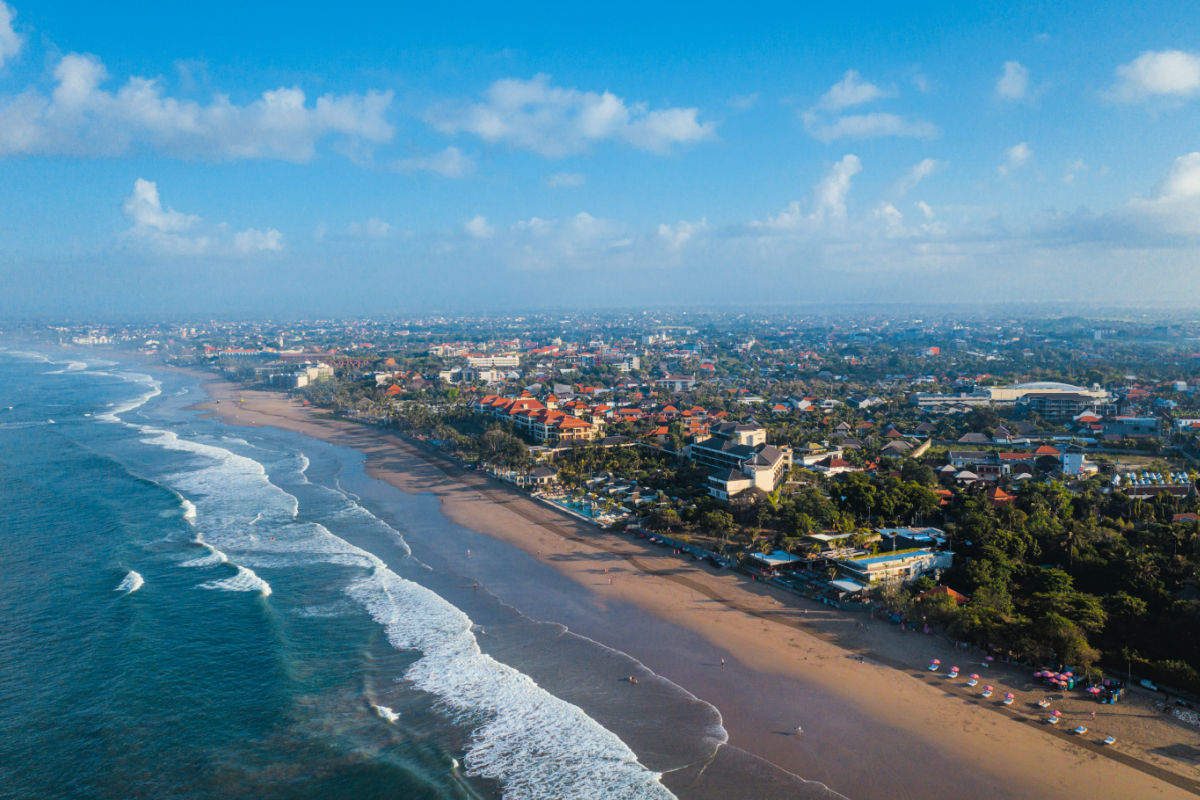
This week, the Denpasar City Government, through the Denpasar City Tourism Office, held the 2026 Destination Gathering.
This annual meeting brings together political leaders and tourism stakeholders to discuss the island’s biggest economic sector. The 2026 theme was “Waste-to-Worth: Implementing Circular Economy in Denpasar’s Tourism.”
The event was held at the Mercure Resort Sanur and attended by environmental communities, tourism industry players, academics, and government officials.
Though not in attendance personally, Denpasar Mayor, I Gusti Ngurah Jaya Negara, had his remarks read by Regional Secretary I Gusti Ngurah Eddy Mulyadi. During his speech, he emphasized that Denpasar is a city first and foremost, but is also an increasingly in-demand tourist destination for domestic travelers and international visitors.
He touched on one of the most pressing issues faced by Denpasar City right now, waste management. He shared, “Waste management, especially in the tourism sector, must be carried out in an integrated manner. This not only impacts the environment but also the image of the destination and the comfort of tourists.”
Much of the discussion during the event centered around shifting towards a circular economy, a principle that many of Bali’s leading tourist attractions and award-winning hotels are already pioneering.
Waterbom Bali, for example, has been pioneering sustainability since opening its doors to the public in the early 1990s. Waterbom is now celebrated as being the world’s most sustainable waterpark.
Waterbom Bali reportedly produces an average of 1,197 kilograms of waste per day, or about 0.3 kilograms per person per day, lower than the national average of 0.7 kilograms. Approximately 330 tons of organic waste is also processed annually through its in-house composting facility, reducing emissions by up to 17 tons of CO2e.
Though more and more tourism businesses are not only taking responsibility for their waste but are also actively creating circular and regenerative economies around their tourism businesses, like Desa Potato Head and Astungkaraway, to name but two, leaders are clear that more needs to be done on a systematic level.
With Suwung TPA, the island’s biggest open landfill, no longer accepting organic waste and set to close in a matter of months, rapid action needs to be taken. Especially since the new Waste to Energy facility has not yet even started construction.
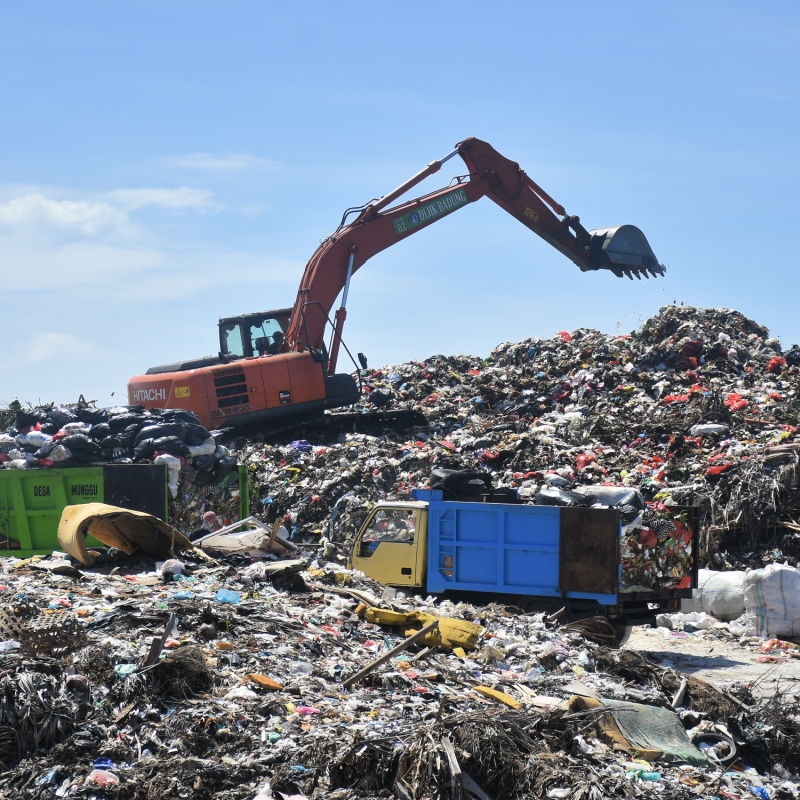
Speaking to reporters, Mulyadi shared, “We can no longer view waste as a trivial problem. This is a strategic issue that directly impacts the sustainability of tourism and the quality of life of the community.” He noted how, as a culture-based tourism city, Denpasar is not only required to provide a high-quality tourism experience but also to ensure that destination management is carried out sustainably.
Mulyadi explained, “We encourage tourism operators, both destinations and hospitality businesses, to begin implementing a circular economy. This approach encourages us to view waste as potential, using the 5R concept, where waste is not simply residue to be discarded.”
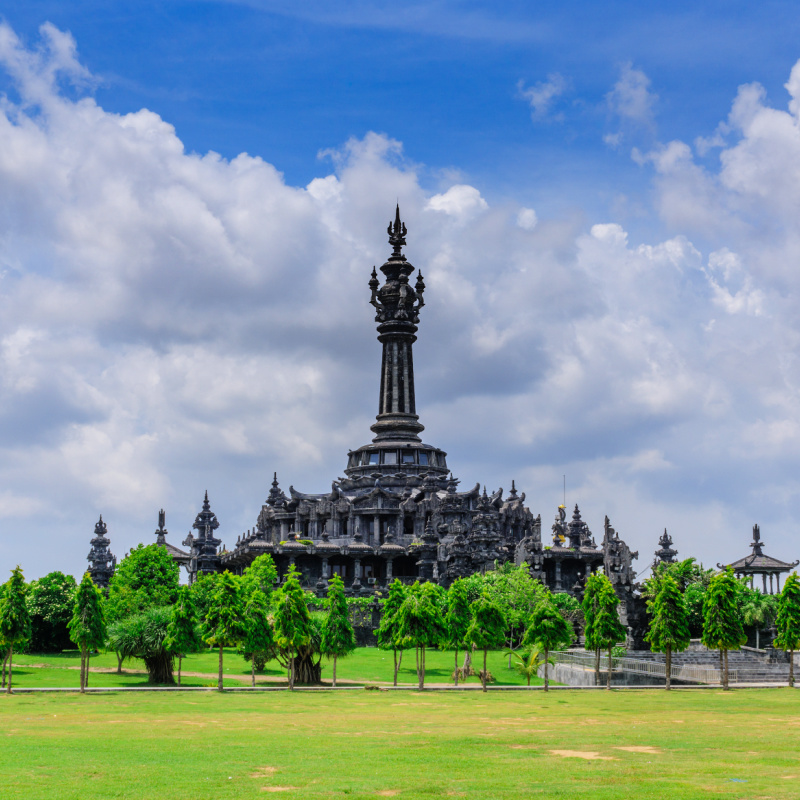
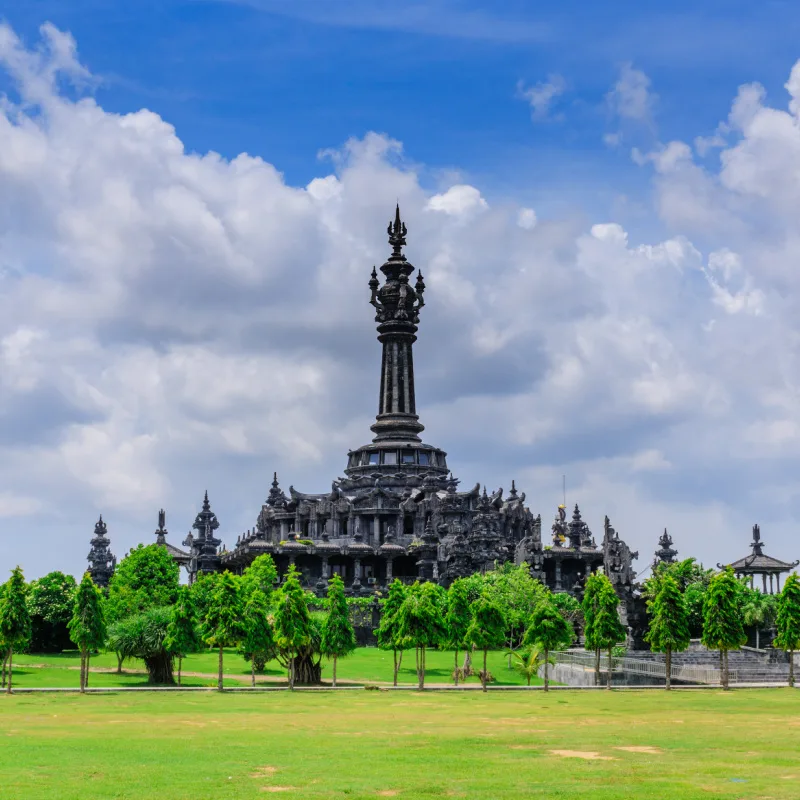
He called on the whole hospitality and leisure sector in Denpasar City to step up and help make the region a positive example for the rest of the province. Mulyadi explained how the hospital sector plays a crucial and strategic role in supporting efforts to create a circular economy.
Simple steps like separating organic and inorganic waste, reducing the use of single-use plastics, composting food scraps, and reusing valuable materials are considered capable of significant impact if implemented consistently and collaboratively.
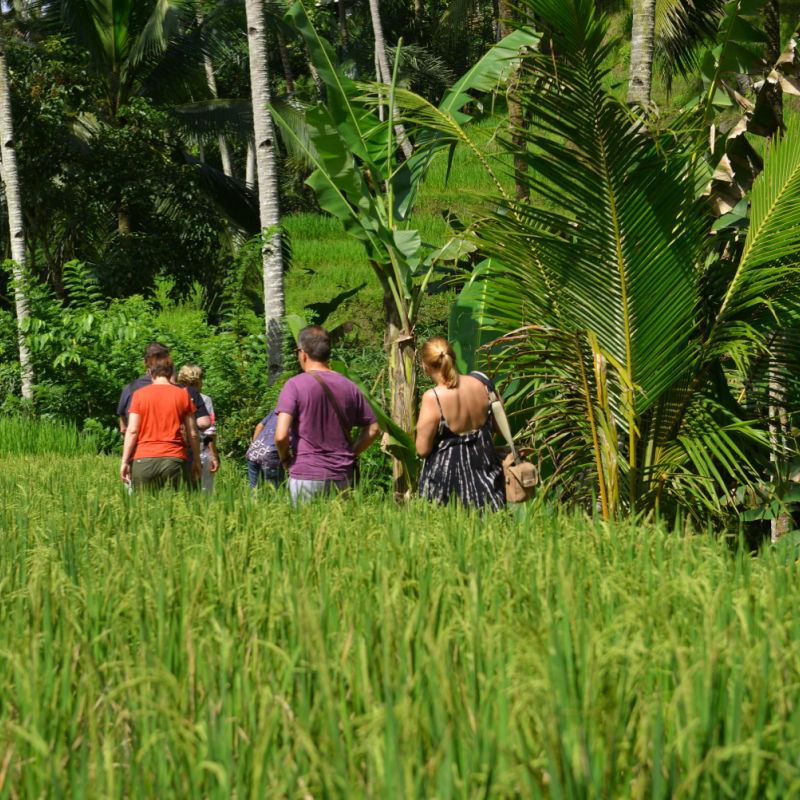
These are all practices that tourists can help support, which in turn help keep Bali a clean, thriving, and well-conserved island for both local communities and tourists to enjoy.
He concluded, “If every business actor, including tourism businesses, consistently takes this small step, the impact will be huge for the cleanliness of our city.”
Discover more from The Bali Sun
Subscribe to get the latest posts sent to your email.