
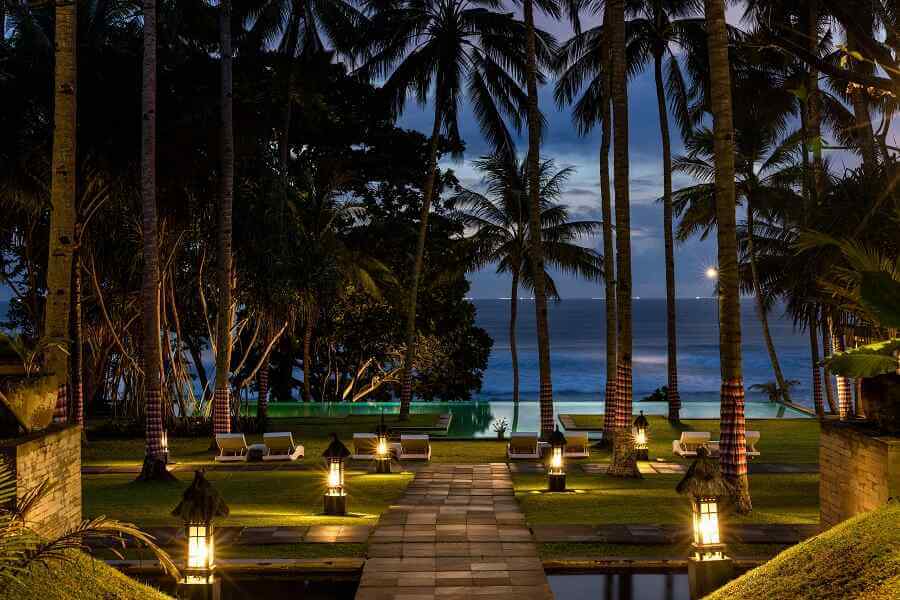
As Bali continues to evolve, the conversation around tourism is shifting. From volume to value. Consumption to contribution. Short-term experiences to long-term impact. This shift is not only being discussed; it is beginning to take shape on the ground. And along Bali’s west coast, one such example is quietly emerging: Kelapa Retreat and Spa.
A Different Approach to Tourism
Bali has long been known for its natural beauty, cultural richness, and hospitality. Yet as tourism has grown, so too has the need to rethink how development interacts with the island’s environment and communities. Eco-tourism is no longer simply a concept; it is becoming a necessity.
The question is not just how to attract visitors, but how to do so in a way that supports, rather than strains, what makes Bali unique.
At the heart of Balinese philosophy lies Tri Hita Karana: the principle of maintaining harmony between people, nature, and the spiritual world. This is not an abstract idea – it is the living framework that continues to shape daily life, community structures, and decision-making across the island. The eco-tourism initiative taking shape on the west coast reflects this philosophy in practice. Its intention is not only to create a destination, but to maintain balance across these three dimensions.
The People Behind the Vision
At the center of this effort is an Indonesian–German couple, often referred to locally as “the heroes of the west coast”. Their work has been defined not solely by their scale, but also by their consistency. By listening to and working alongside their local community rather than operating independently of it.
Over time this approach has built trust not only within the local environment, but across a wider network of collaborators who share a similar perspective on responsible development. Collaborators who want to work with nature, and not against it.
Environmental consideration is central to this approach. Rather than imposing development onto the landscape, the intention is to work alongside it, considerately and intentionally.
The central tenants of such eco-tourism in Bali include:
• preserving the natural surroundings;
• minimising the environmental impact;
• integrating developmental design within the existing Balinese ecosystem.
And the results are not simply aesthetic; they can create a sense of place that feels connected rather than constructed. A true embodiment of Tri Hita Karana.

The Vision
The owners of Kelapa Retreat have created an idyllic tropical oasis that somehow feels rather different from the other offerings on the Bali mass-tourism market. Their haven is filled with ‘taksu’ – a unique Balinese spiritual energy – which is sadly declining across the island due to uncontrolled maldevelopment focused solely on economic gain. The couple’s project remains a rare hidden gem in Bali, where the luxury of space can be found and business is approached as a lifestyle investment versus a sole growth enterprise.
Community as a Foundation
The relationship between the surrounding community and the development is of the utmost importance. Development here is not treated as an isolated activity, but rather as part of a broader system. Engagement is ongoing, community participation is encouraged, and generated value is shared, creating a dynamic where growth is not imposed, but integrated.

A More Conscious Experience
For those who experience it, the difference is clear. This is not tourism in its conventional sense, but rather something much more considered. This is an opportunity to engage with Bali in a meaningful way, grounded in true Tri Hita Karana principles and offering more connection with the Balinese community. This experience is not simply consumption: it is tourism anchored in appreciation, respect, and gratitude.
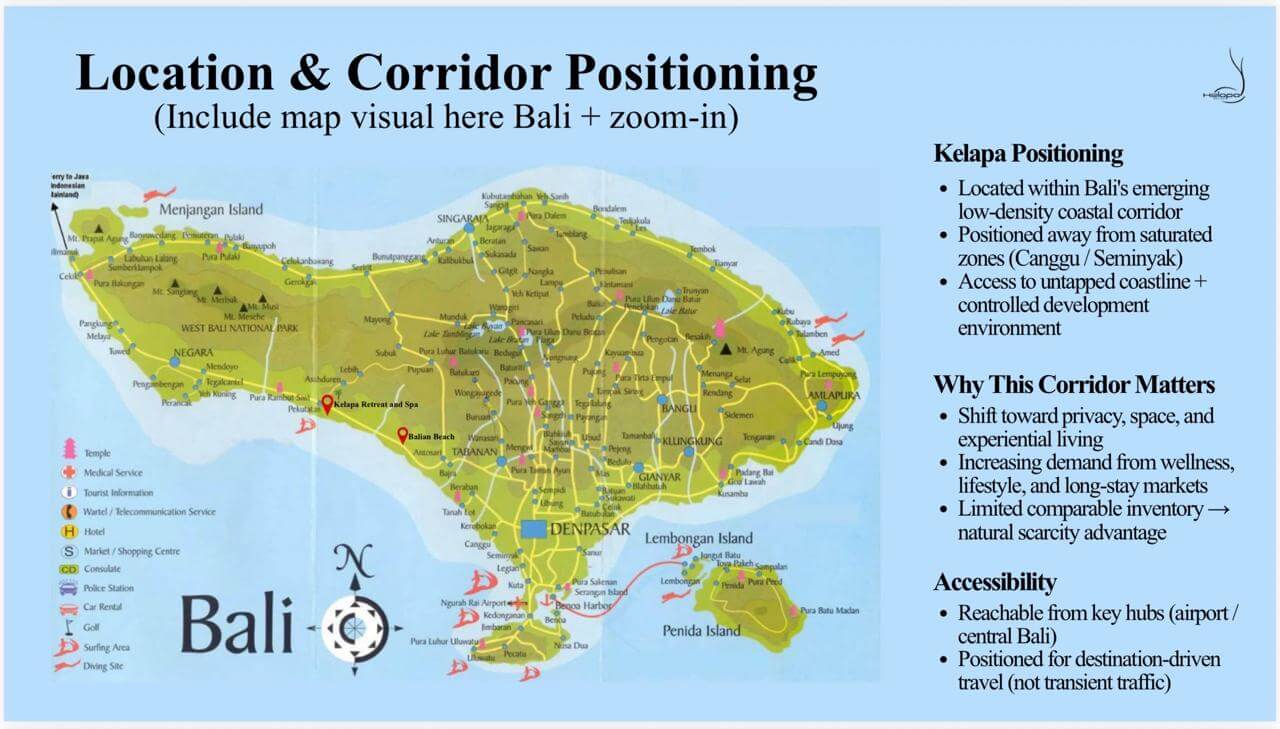
A Direction for Bali’s Future
Initiatives like this reflect a broader shift taking place across the Island of the Gods. Success is no longer solely defined by scale, but by parallel values too, such as environmental consideration, cultural appreciation, community integration and a long-term sustainability focus. This direction is where Bali’s future increasingly points towards, and where real opportunity can be found.
An Opportunity to Contribute
Kelapa Retreat and Spa is widely hailed as a blueprint for sustainable tourism, showcasing the real destination of Bali while representing true Balinese values in the process. Their mission is to demonstrate that sustainable tourism urgently needs to be prioritised by both business owners and legislative bodies, as well as protecting future Balinese generations from the loss of connection to their ancestral roots and the Island of the Gods.
As this challenger-approach continues to evolve there is a growing interest from individuals and groups who resonate with this renewed direction. To invest, yes – but also to contribute. To join the direction of investment that reflects a more balanced and thoughtful model of development on the island of Bali.
For those who feel aligned with these values there is now a rare opportunity to engage more closely with the project as it continues to grow. Conversations around future collaborations and participation are ongoing, and can be explored directly with the heroes of the west coast of Bali themselves.
Contact: Ismayanthi
Conclusion
Bali’s future in tourism will not be defined by scale alone, but also by maintaining the balance between its natural beauty and eco-system and its ability to create spaces that honour both tradition and growth.
What is emerging on the west coast offers a glimpse into that future: a living example of what becomes possible when development is guided by an unwavering focus on alignment, respect, and a long-term vision.
Website: www.robertianbonnick.com
PT Karya Lyfe Group – Gateway To Indonesia
RiB & Associates | SpeakuP Monday – Destination Indonesia #1 Entrepreneurship & Social Impact TalkShow | Tourism Architect – Co Building Legacy
Strategy | Connector | Market Access | Cultural Integration | Business Growth | Private Public Partnerships