
We are unpacking content from Bali Business Review on YouTube to highlight head-to-head facts and data points comparing Lombok and Bali. This report synthesizes travel-time metrics, cost comparisons, cultural draws, and property revenue signals — including a practical tool for Bali owners to benchmark earnings against market performance.
Hi, I’m Jason, a Business Journalist at Bukit Vista, and I’ll be unpacking analysis from Bali Business Review. Today, we’ll dive into Lombok vs Bali: All The Good, None of The Bad to offer clear, data-driven insights.
Comparative Travel Experience: Accessibility, Crowds, and Costs
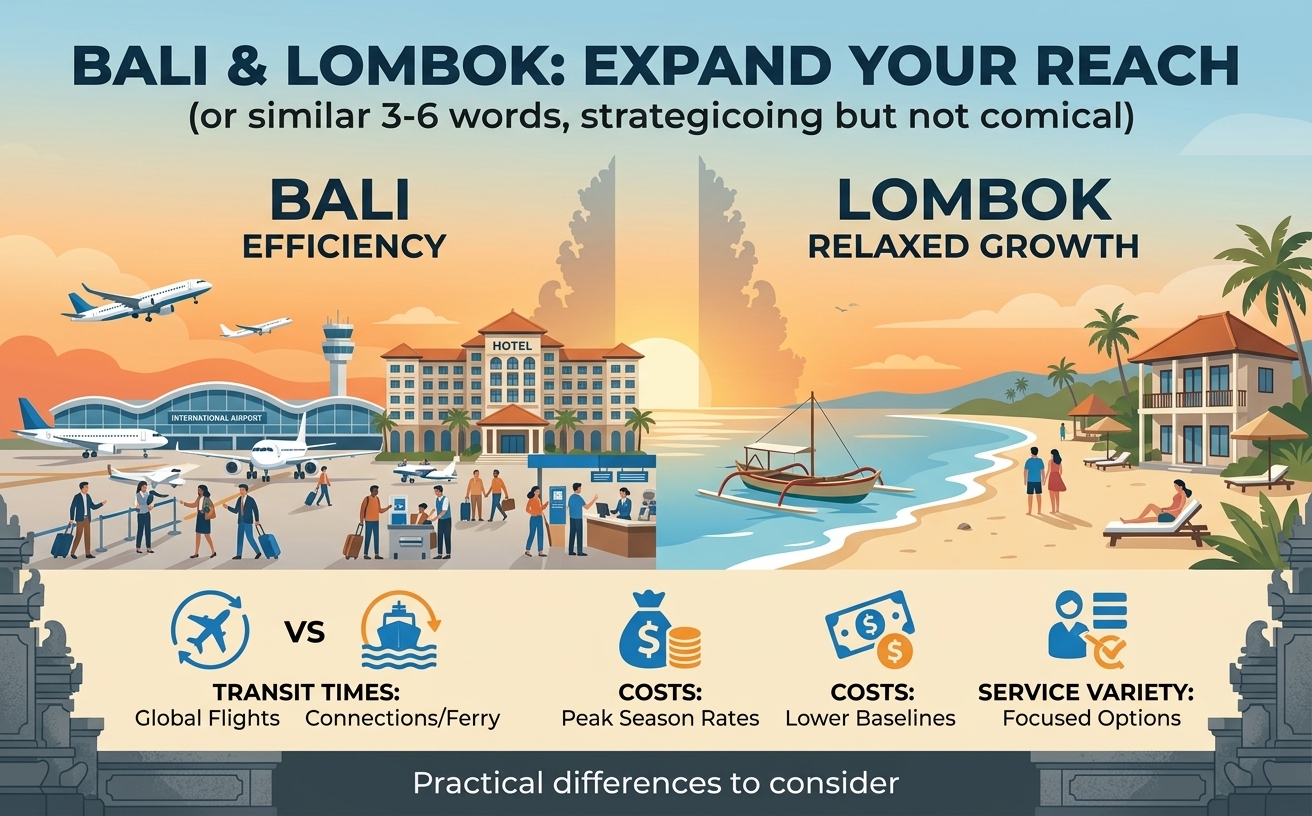
Lombok and Bali offer distinctly different travel experiences driven by accessibility and visitor density. Bali remains the region’s primary hub with denser flight schedules, wider hotel supply, and more developed infrastructure, which keeps convenience high but can increase crowding and peak-season pricing. Lombok typically shows lower day-to-day costs for dining and local transport, alongside quieter beaches and less commercialized coastal stretches, making it attractive for travelers seeking a relaxed pace.
Practical differences to consider
- Transit times: direct flights to Bali are more frequent; Lombok often requires a connection or short domestic hop.
- Costs: Bali shows higher average room rates in high season versus Lombok’s typically lower baseline rates.
- Service variety: Bali offers a broader range of dining, wellness, and leisure options than Lombok.
Cultural Highlights and Local Life

Bali’s cultural landscape is highly visible and actively curated for visitors, with temple rituals, curated art districts, and hospitality offerings embedded in the tourism economy. Lombok presents a more understated cultural footprint with Sasak traditions and rural village life that feel less staged and often more authentic to regional visitors. Both islands offer meaningful cultural experiences, but Bali is optimized for repeat visits with packaged cultural routes while Lombok rewards exploratory travelers with more organic encounters.
Key cultural considerations
- Bali: frequent cultural events, temples accessible to tourists, and established cultural tours.
- Lombok: village-based cultural visits, fewer crowds, and traditions that are less commercialized.
Practical Travel Tips: Logistics, Safety, and Seasonal Patterns
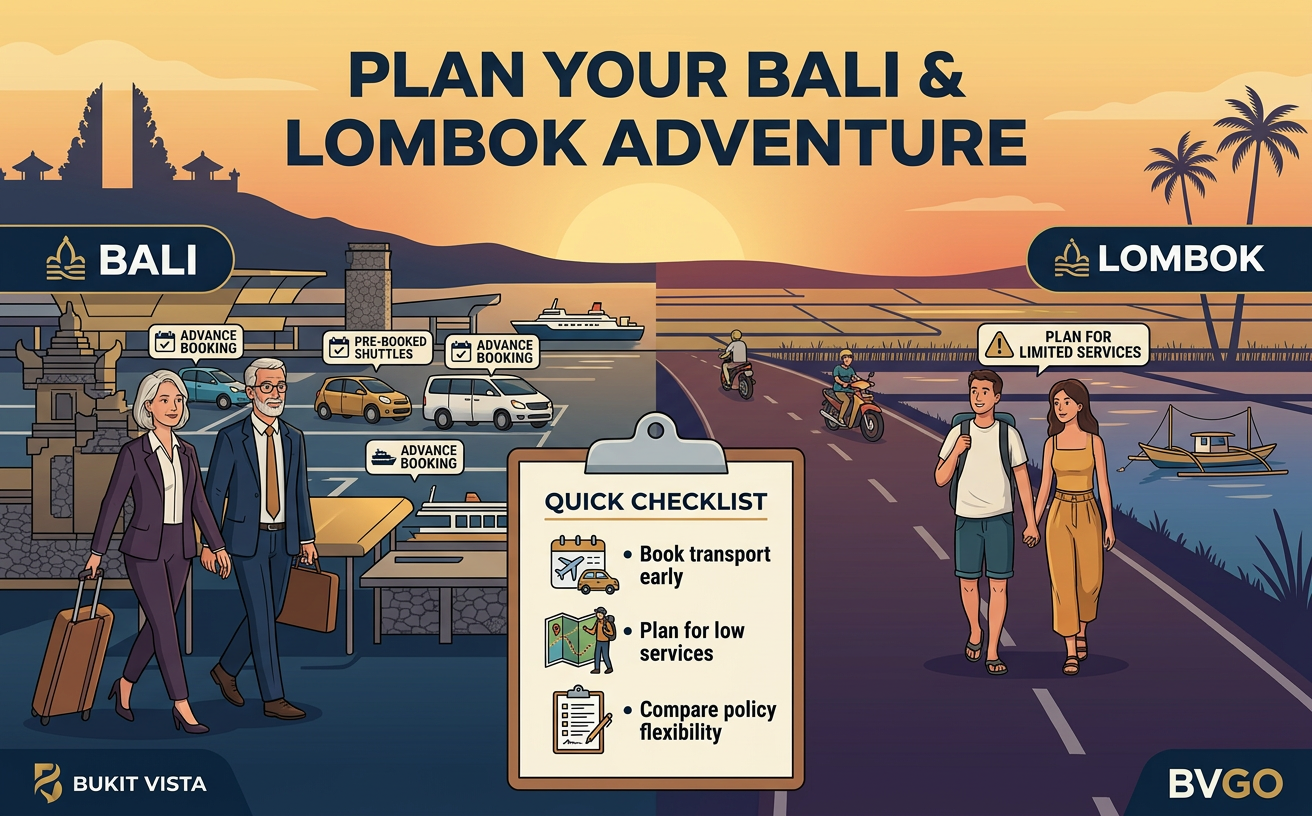
Logistics and seasonal patterns shape visitor satisfaction differently across the two islands. Bali’s infrastructure supports higher visitor volumes but requires planning around peak months to avoid inflated prices and congestion; Lombok’s quieter seasons can benefit travelers seeking lower prices but may mean fewer daily service options. Safety and health access are generally good in major centers on both islands, though remote Lombok locations can be further from emergency services or specialist care.
Quick checklist for trip planning
- Book transport in advance during peak season on Bali to secure preferred timings and rates.
- If visiting Lombok’s remote beaches or hiking trails, plan for limited on-site services and longer transfers.
- Compare accommodation and activity cancellation policies to maintain flexibility across islands.
Property Investment & Revenue Potential in Bali
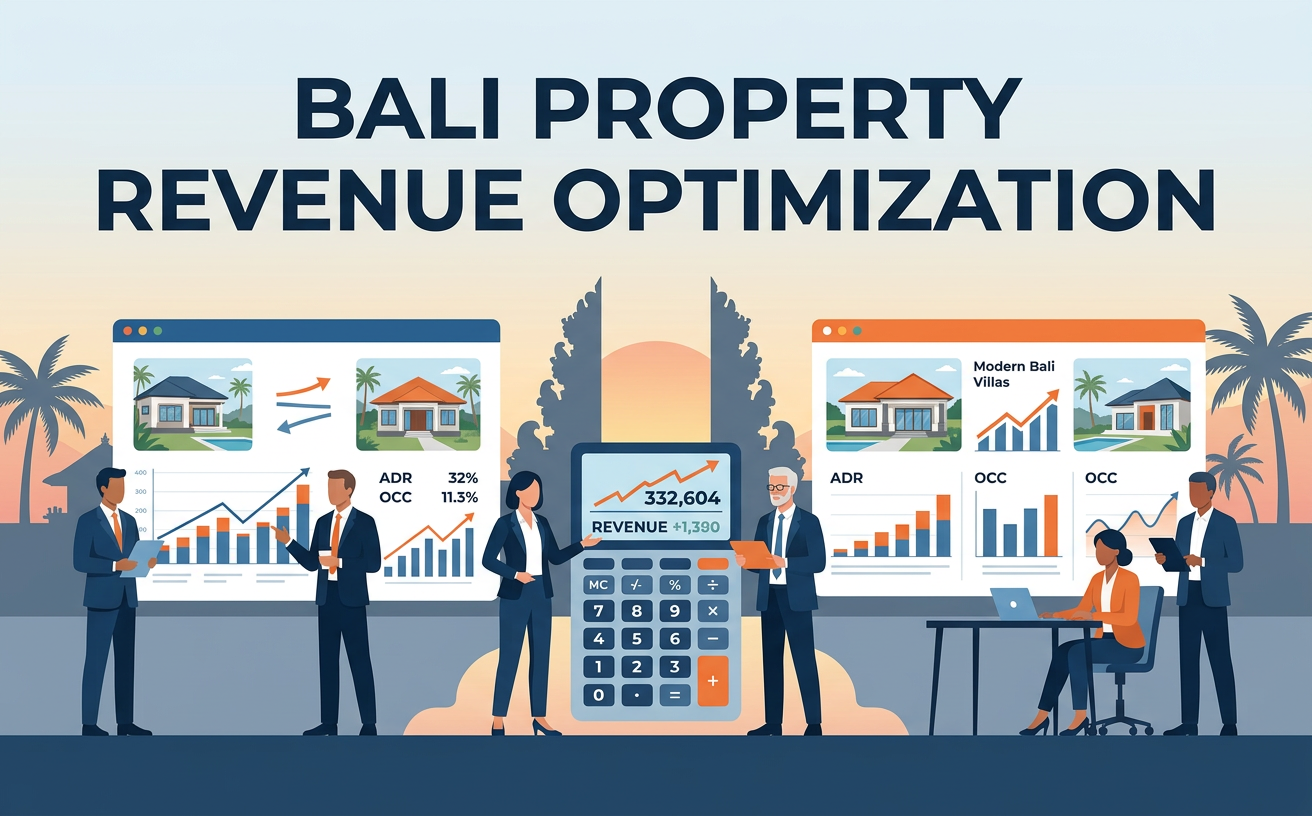
Bali remains the more mature property market with clearer short-term rental demand, seasonal peaks, and well-established channels for guest acquisition. The report emphasizes the importance of benchmarking property performance: owners should compare occupancy, ADR (average daily rate), and net revenue against local market data to identify underperformance. For property owners seeking an immediate assessment, the piece references a revenue-calculation tool that uses real market inputs to project realistic earnings and highlight optimization opportunities.
Owners and investors can access a practical tool to quantify rental potential: 👉 Free Bali Property Revenue Calculator. This calculator helps translate area, bedroom count, and property type into data-driven revenue projections so owners can determine whether assets are underperforming and where to focus operational improvements. For further comparative context and source material, see the original coverage here: https://www.youtube.com/embed/5facShIiIYU.
Key Takeaways
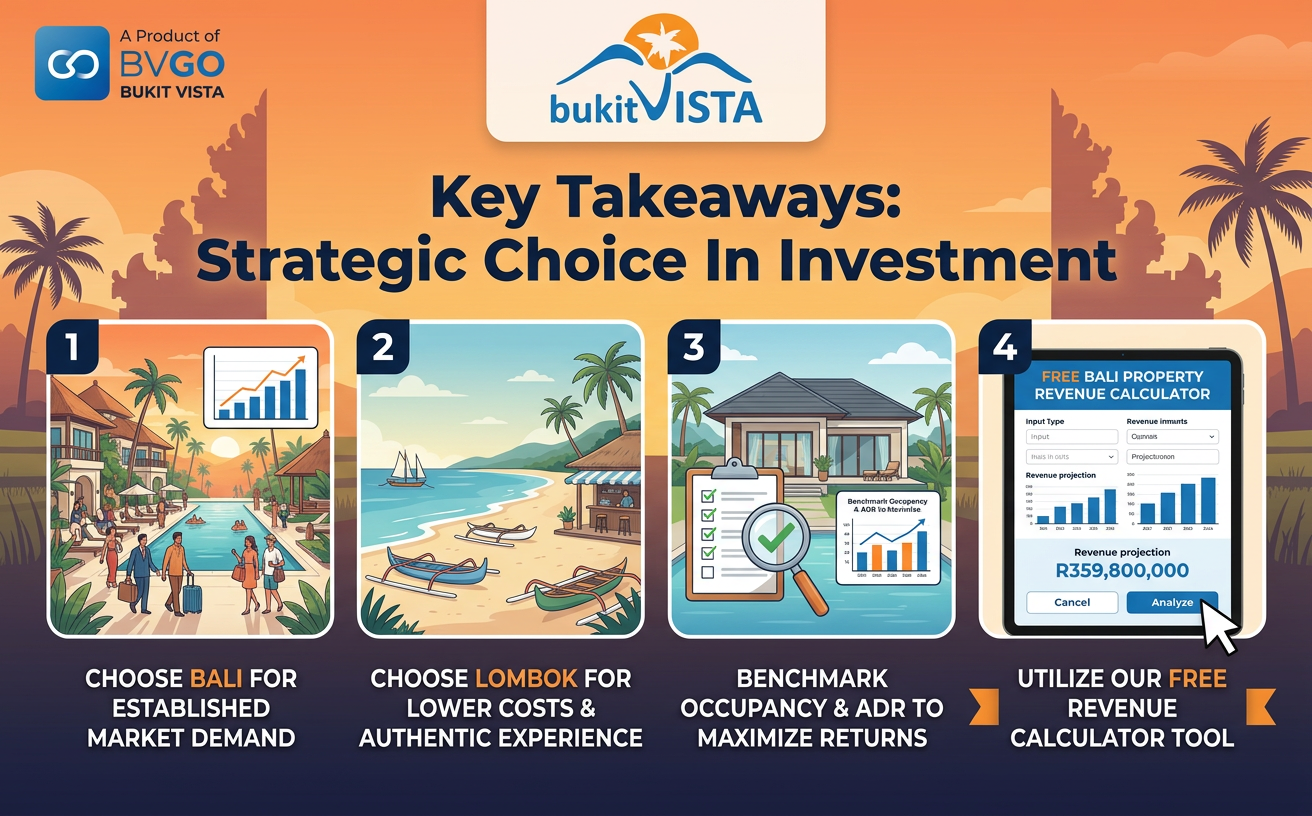
- Choose Bali for convenience, variety, and established tourism infrastructure; expect higher peak pricing but stronger rental demand.
- Choose Lombok for quieter beaches, lower daily costs, and more authentic rural cultural encounters.
- Bali property owners should benchmark occupancy and ADR against market data to spot underperformance.
- Use the Free Bali Property Revenue Calculator to generate realistic revenue projections and prioritize improvements.
Final word: the strategic choice between Lombok and Bali depends on whether you prioritize convenience and broad market exposure or quieter, lower-cost experiences. For property owners in Bali, the business impact is immediate — systematic benchmarking and revenue modeling are essential to maximize returns and address underperformance promptly.
Jason, Business Journalist at Bukit Vista
You’re a property owner? Wondering What Could Your Bali Villa Really Earn?
Get a data-driven revenue projection based on your property type, area, and bedroom count. Discover your villa’s true earning potential in Bali.