
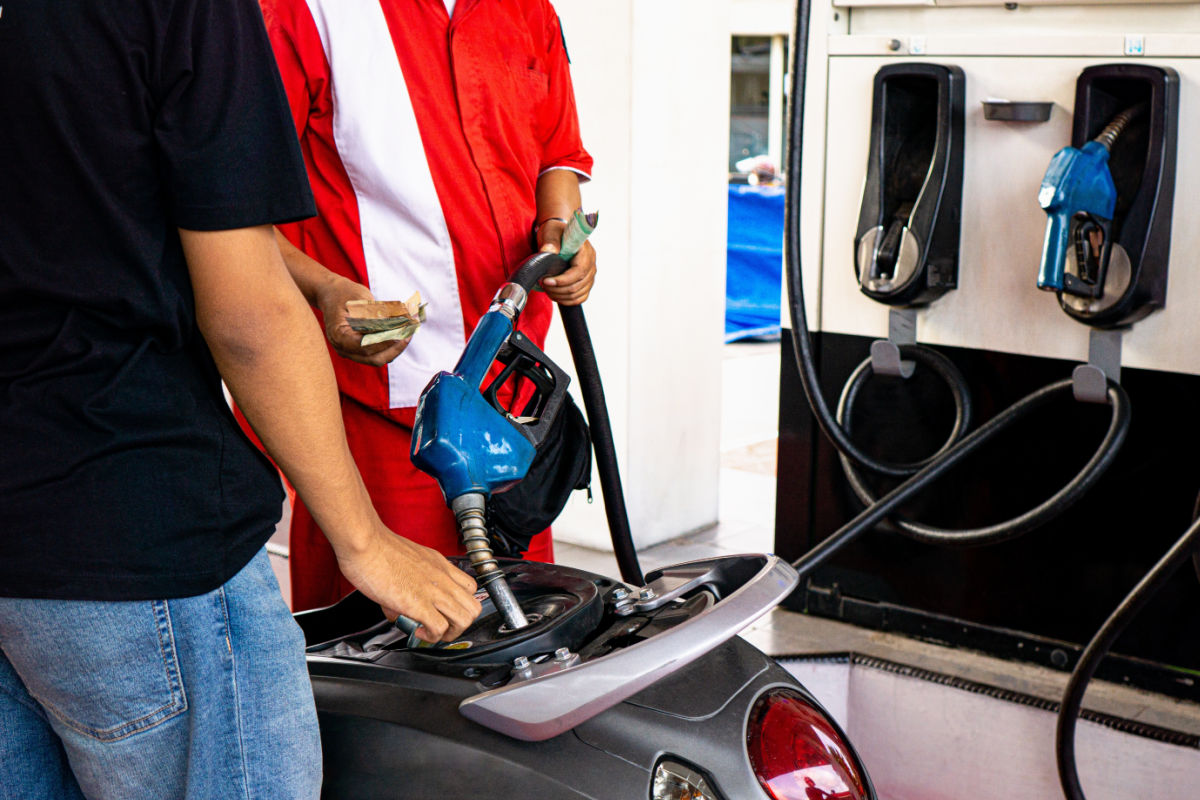
Rising fuel prices have been the biggest topic of conversation in Bali’s tourism sector over the last few weeks.
It’s been a tough moment for many tourism businesses, what with the weakening of the rupiah against the US dollar and the end of fuel subsidies. The concern for tourists is that the cost of visiting the island will increase.
Speaking to reporters, the Head of the Bank Indonesia (BI) Representative Office for Bali Province, Achris Sarwani, explained that the ability to respond to rising fuel prices depends heavily on the characteristics of each business sector, and the tourism sector is in a unique position.
He explained that the tourism sector is more flexible because it can adjust the selling price of services to consumers in a more responsive and immediate way.
Sarwani explained, “Tourism businesses can adjust the selling price of their services. Especially when the US dollar exchange rate strengthens against the rupiah, price adjustments are relatively easier.”
He confirmed that Bank Indonesia is monitoring several factors that could influence inflation in Bali in the coming months, in ways that would directly and inherently impact tourists. Demand for goods and services is expected to increase during the current school holidays and religious holidays, which are usually accompanied by a surge in domestic tourist visits to Bali.
Other concerns lie in the environmental climate, not just the economic climate. As the dry season progresses, it has been confirmed that the potential for a moderate El Niño also risks impacting agricultural production, in turn triggering increases in energy and fuel prices.
Sarwani confirmed that the Bali Regional Inflation Control Team (TPID) has prepared a range of mitigation and control measures. These include strengthening food availability monitoring through coordination with the Food Task Force and conducting surprise inspections at markets.
These measures have been put in place to help protect local families and communities, but they also have a knock-on effect on tourists.
In essence, what Sarwani is confirming is that the price of non-subsidized fuels like Pertamax, which fuels everything from tourist transport vehicles to the transportation of food for cafes, restaurants, and hotels, through to the sourcing of suppliers and everything in between, should not have an impact on the tourist sector and, in turn, tourists.
In Sarwani’s view, because the tourism sector is highly malleable, the industry is well positioned to pivot, adopt an innovative approach, and ensure the sector stays afloat.
He is hopeful that the mitigation measures put in place over the last week will soon take effect.
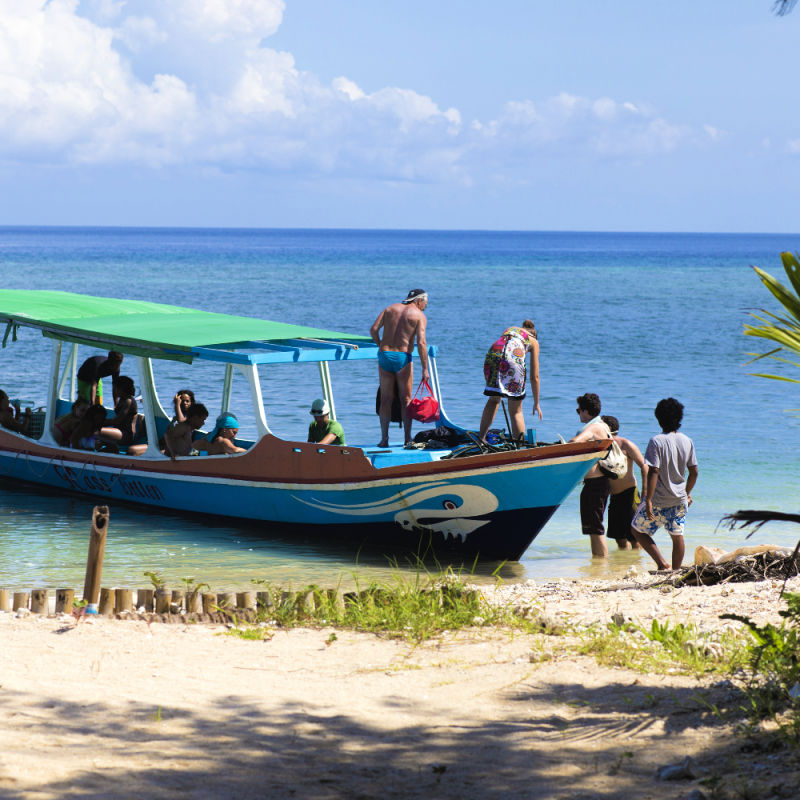
While Sarwani is a banker, it may take more convincing for tourism business owners who have been feeling the pinch over the last couple of months, and who feel like this is crunch time; tourists may now have to pay more.
Local Bali tour operator Erna Saenah told reporters last week, “Even with the efficiency measures, tourists have already decreased. Furthermore, airfare increases have caused some groups to cancel trips. Now, the increase in Pertamax will automatically affect the selling price of tour packages.”
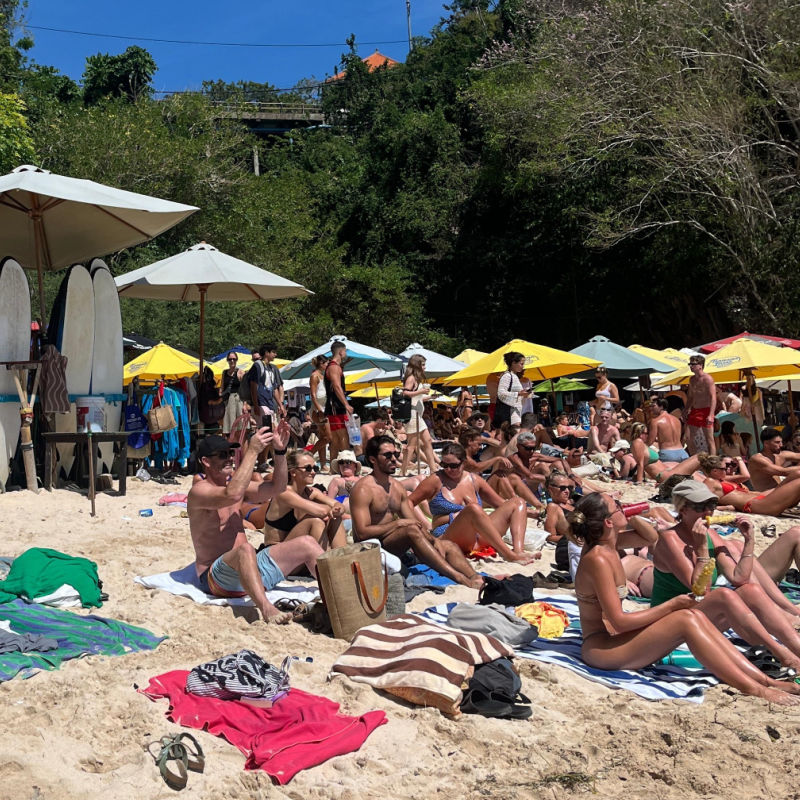
Adding “When it comes to guests, around 50 percent of the package cost is transportation. With this fuel increase, the selling price of transportation will definitely increase.”
Here at The Bali Sun, we are ever the optimists and like to take a grounded and centralised view of things. The reality is perhaps that both sides of this story are true.


Tourism businesses will have to pass the increased costs on to tourists, but only as these mitigation measures come into effect and the rupiah slowly starts to strengthen against the US dollar again… it will all even out sooner than we think.
There will always be great travel deals to be found…this is Bali we’re talking about, remember!
Discover more from The Bali Sun
Subscribe to get the latest posts sent to your email.