
Bali’s Governor Wayan Koster has announced a new policy that will crack down on businesses on the island that are deemed to be polluting the environment.
As stipulated in his Circular Letter Number 9 of 2025 concerning the Bali Clean Waste Movement, the Bali Provincial Government is forcing businesses to hold much more responsibility for the waste they produce.
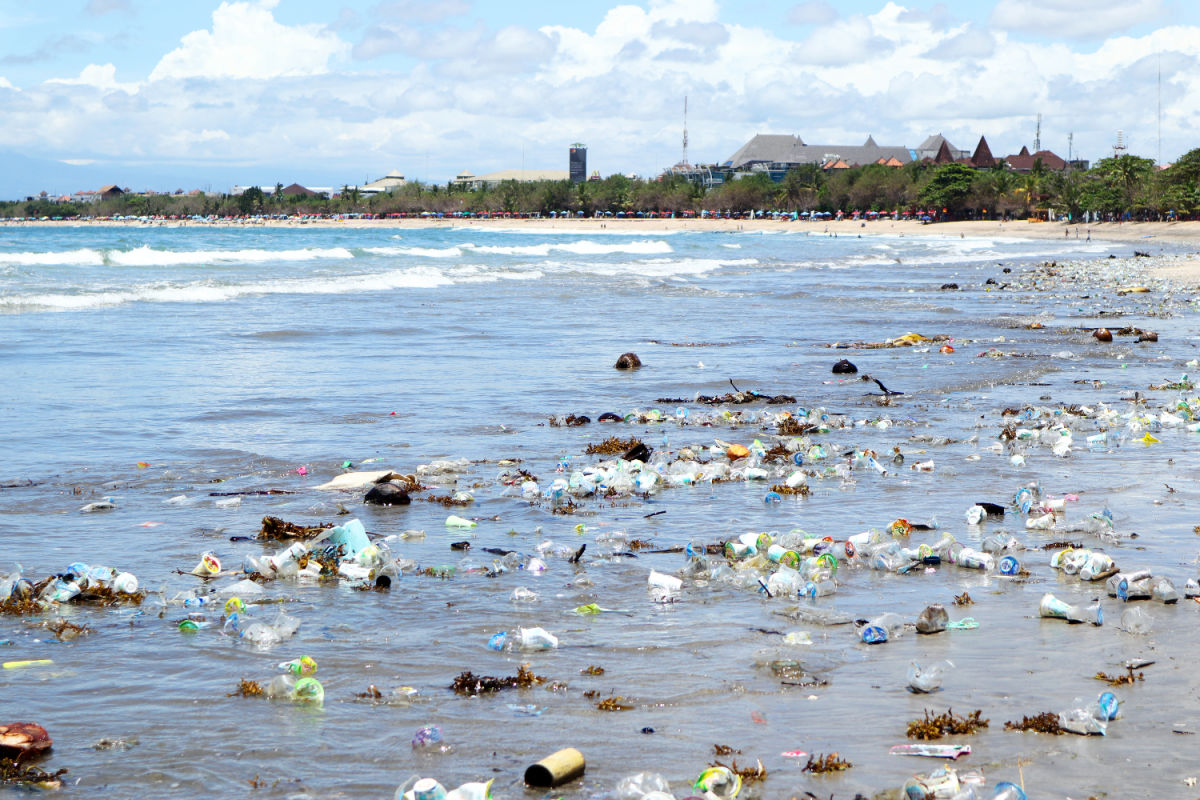
The policy updates outlined in the Bali Clean Waste Movement Circular Letter will formally come into effect on the 11th April 2025.
Speaking at a press conference in Denpasar on Sunday 6th April, Goner Koster stated firmly that businesses, especially those in the tourism sector, risk having their operating permits revoked if they do not engage in effect waste management protocols.
Governor Koster told the media, “Every business actor such as hotels, shopping centers, restaurants and cafes that do not implement source-based waste management and restrictions on the use of single-use plastic will be subject to sanctions in the form of a review and-or revocation of business licenses.”
Governor Koster also explained that businesses who are found to have not been implementing sufficient waste management protocols will be named and shamed through social media platforms and deemed ‘not worth visiting’ due to their un-environmentally friendly practices.
The provincial leader further explained that businesses must create their own waste management and waste processing systems before utilising the public waste management systems such as landfills and the TPS3R recycling depots.
Governor Koster shared, “Separating waste from its source into organic, inorganic and residual categories as well as preparing temporary storage facilities for sorted waste in the business area.”
The mandates outlined in the Bali Clean Waste Movement Circular Letter will formally come into effect on the 11th April 2025. The regulations are set to be fully implemented no later than 1st January 2026, giving businesses just under nine months to get their trash together.
Those businesses who successfully implement and adhere to the new policies will be acknowledged in the form of awards and certifications for being environmentally friendly, and operating green businesses in Bali province.
It is not only waste management systems that tourism businesses have to be working on but also to be considerate of the waste that they are producing in the first place. This will have a noticeable impact on tourists visiting the island.
As outlined in Circular Letter Number 9 of 2025 concerning the Bali Clean Waste Movement, the provincial government is also targeting the production and use of single-use plastics across the board, with a specific focus on plastic water bottles and plastic bags.
Though the use of single-use plastic bottles and single-use plastic bags has technically been outlawed in Bali since 2018, enforcement of the policy has been weak.
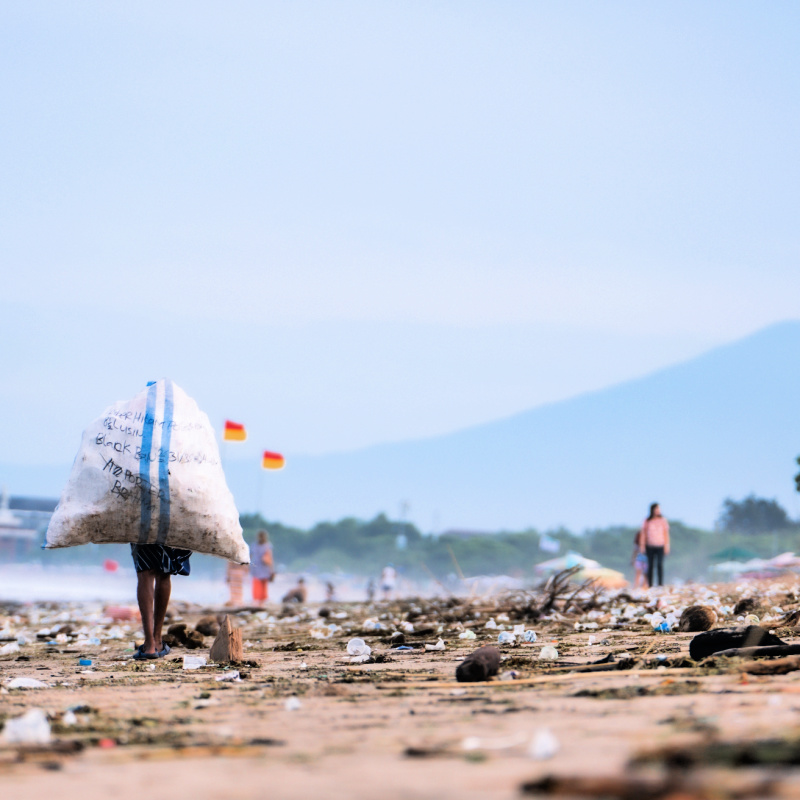
Governor Koster explained on Sunday “Every business institution is prohibited from producing disposable plastic bottled drinking water with a volume of less than 1 liter in the Bali Province region.” Adding “The landfill is full, so waste management must be progressive from upstream to downstream.”
He noted “I will gather all producers such as PDAM, private companies in Bali, including Danone, I will invite everyone to no longer produce bottled drinks of 1 liter or less.”
Governor confirmed “It’s not about killing [business] but taking care of the environment. Please produce but do not damage the environment.”
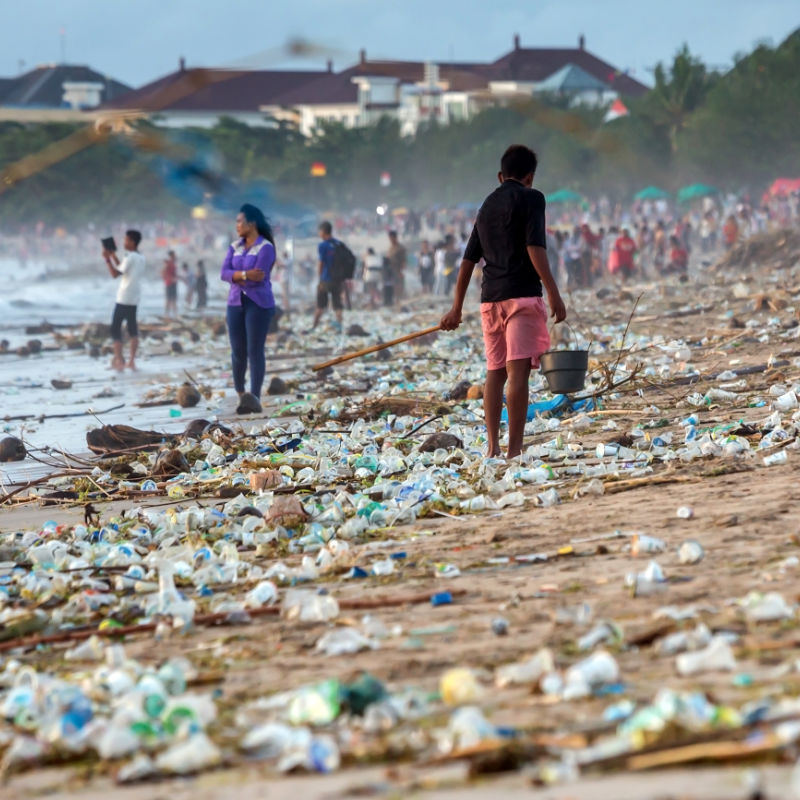
The Governor confirmed that it is not only the tourism sector where use of single use plastic is widespread, but also within local communities, especially at traditional local markers. He noted “What has not been successful in relation to the use of plastic is that in traditional markets, it is still very popular, especially plastic bags.”
He added “We will stake this as well as source-based waste management [solution] from 636 villages. Actually, 290 villages have implemented source-based waste management even though not everything is running optimally everything has started, but there are still those who have not yet had a target at that time 2023 all villages have but have not been able to because of various obstacles.”
The Governor cited the pandemic as one of the reasons why the 2018 legislation was hard to enforce during his first term.


Governor Koster concluded “Even if there are those who are angry on social media bullying or everything else, it’s okay, the important thing is my good intentions as a governor.”
Adding “Of course now the situation is better because the central government is increasing the handling of waste problems, there is a direct direction from Mr. President Prabowo Subianto to accelerate the management of waste throughout Indonesia and Bali.”
Discover more from The Bali Sun
Subscribe to get the latest posts sent to your email.