
This is a big week for religious and cultural festivals. For the world’s Hindus this week has seen the honouring of Mahashivarati, for China and the Chinese diaspora, the 17th February marks the Lunar New Year, and for the world’s muslims the annual month of fasting, Ramadan, starts on the 19th February and will be observed until Eid al-Fitr, which also coincides with the most important day of the year in Bali.
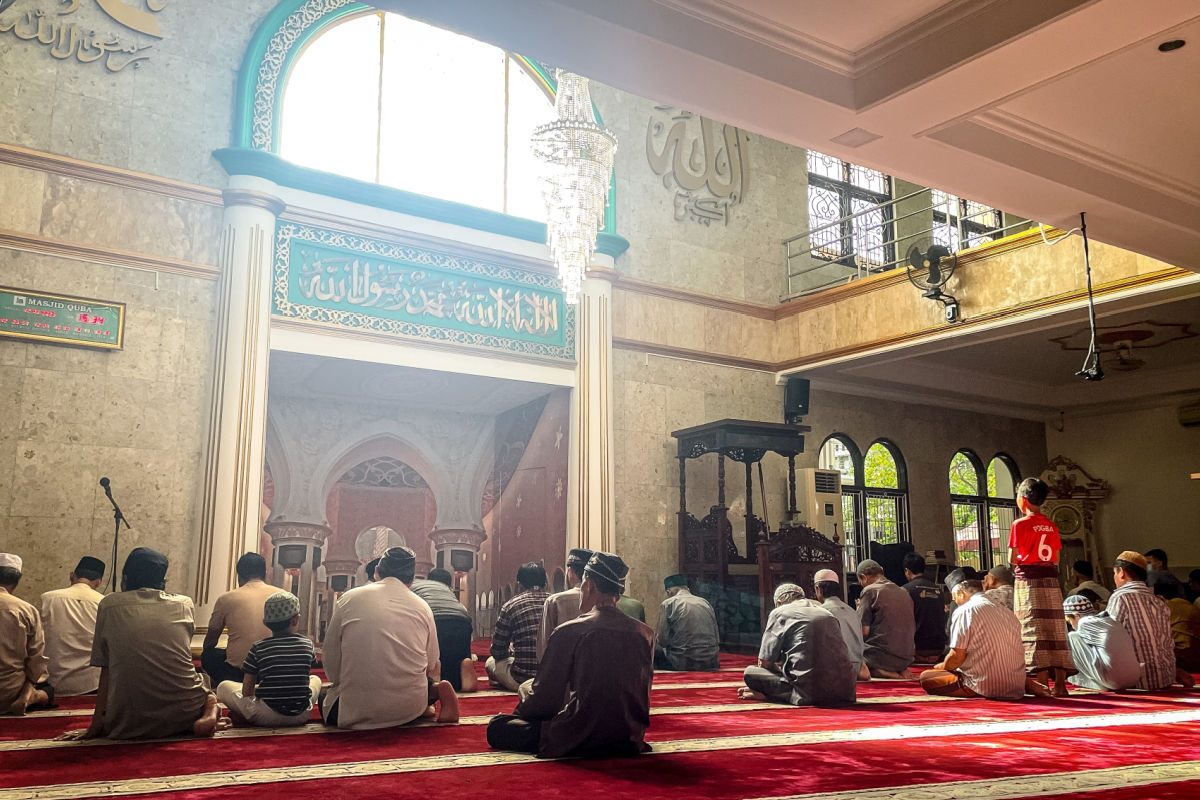
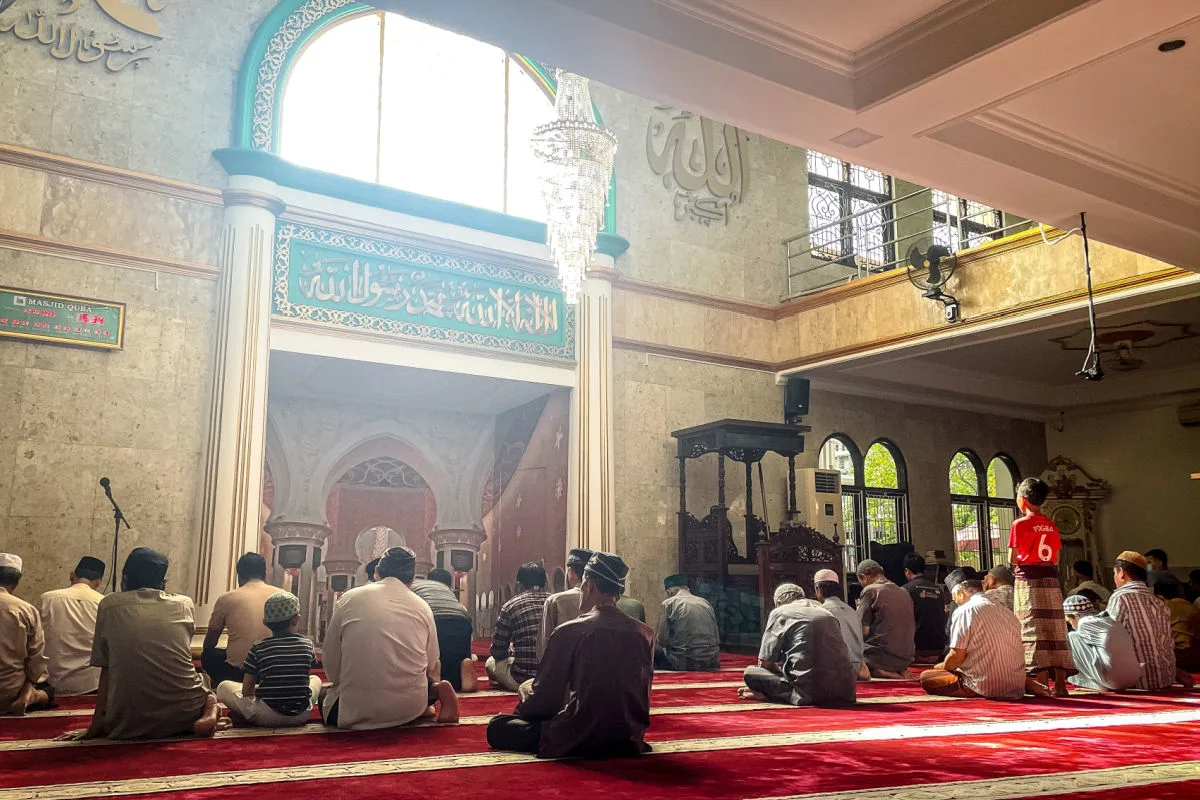
Bali is a majority Balinese Hindu province, and Indonesia is a majority muslim nation. At the last census, it was recorded that 87% of the Indonesian population is Muslim, which amounts to around 207 million people, followed by 10% Christian or Catholic, and just under 2% are Hindu, with pockets of Buddhist communities throughout the country. Animism is widely honoured amongst indigenous communities across Indonesia, and while atheism is considered a socially unacceptable stance, it is not illegal.
Ramadan is one of the most special times of the year to be in Indonesia. According to the Director General of Islamic Community Guidance, Abu Rokhmad, Ramadan is expected to begin on the 19th of February, which is when the first glimpse of the moon on this lunar cycle will be visible. He explained, “The isbat session reconciles astronomical data with moon-sighting results to ensure that the start of Ramadan is determined scientifically and transparently, while involving all relevant stakeholders.” In some parts of the world, Ramadan is being observed from 18th February.
Muslims fast from dawn until dusk and take part in salah, or communal prayer. For a healthy adult, fasting includes not drinking water throughout the day. Those who are exempt from fasting include pregnant and menstruating women, children, and those who are ill or elderly.
Those who are also traveling may choose not to fast. The pre-dawn meal is known as suhoor, and the meal shared after sunset is called Iftar. The end of Ramadan is marked by Eid al-Fitr, which is the biggest religious festival in Indonesia and in the Islamic calendar, which this year will mostly take place on the 19th March 2026 in Indonesia. However, it could be the 20th March, based on when the moon is sighted.
For tourists visiting only Bali, Ramadan activities will not impact their vacations at all. Though tourists should be aware and respectful that many guides, drivers, and their tourism staff may be observing Ramadan.
However, for tourists who are planning on visiting other areas of Indonesia over the next month, they must be prepared for day-to-day life to be functioning a little differently. While foreigners and non-muslims are not expected to observe Ramadan in Indonesia, in many areas of the country, especially in more rural areas, it can be difficult to order food during daylight hours.
Many shops, cafes, and even tourism businesses operate different hours during Ramadan, and so tourists should check in with their local guides, accommodation providers, and hosts to understand how Ramadan will affect their day-to-day travel plans in the coming few weeks.
This week, life in Bali feels a little more festive than usual. This is because the island is celebrating the Chinese New Year. This week, just under half a million tourists will fly into Bali for the Lunar New Year holiday.
Chinese tourists are the second most frequent international arrivals into Bali, after Australians, and have become an increasingly popular choice for both short and longer stay vacations for Chinese holidaymakers.
The beginning of Ramadan in Indonesia means that the countdown is now on for Nyepi, or Bali’s Holy Day of Silence. This year both Nyepi and Eid al-Fitr it is most likely that the holy days will be observed on the same day.
This sometimes creates a tricky situation in Bali, as Muslims start to celebrate Eid al-Fitr as the sunsets on Nyepi Day; however, Balinese Hindus will remain at home, observing silence, until sunrise the following morning.
Local communities will work together to mitigate this situation to ensure that everyone can honour their faiths in a respectful way.
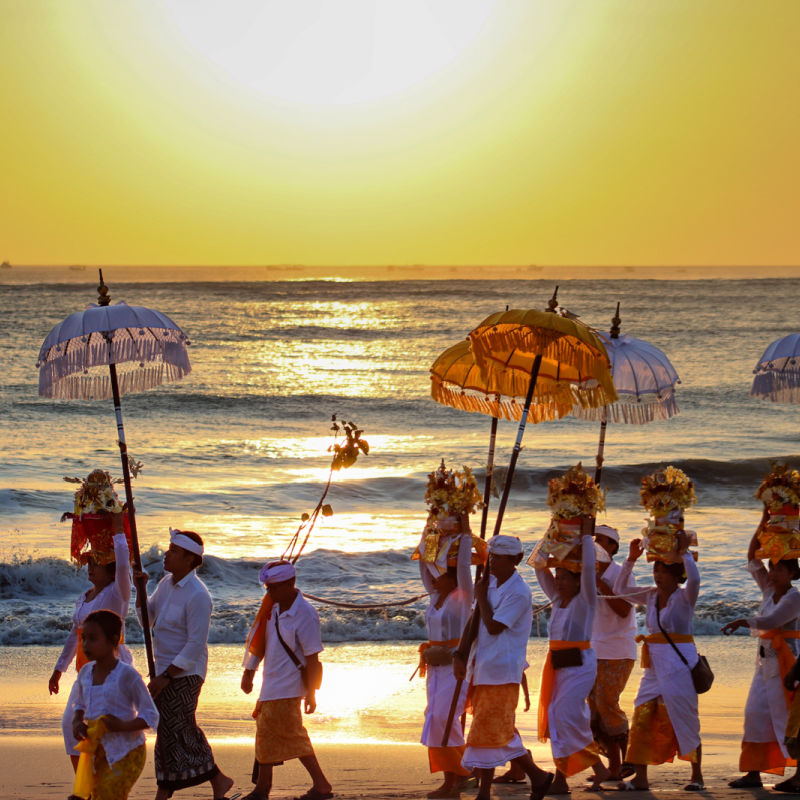
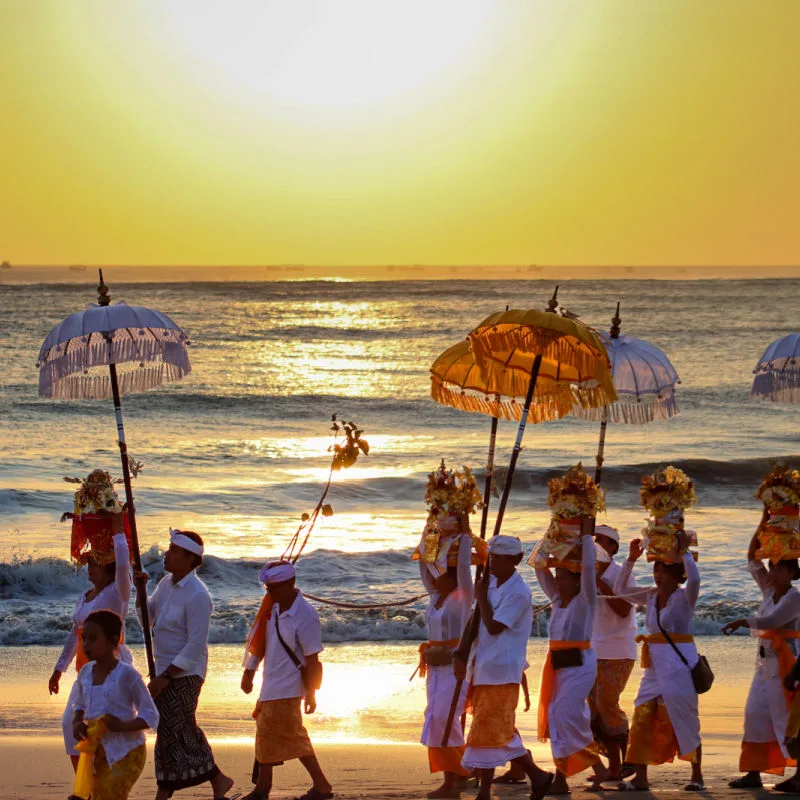
Tourists set to be in Bali on the 19th March 2026 are in for a treat. While Nyepi Day itself requires all people to stay at home and observe quietude and a day without the use of entertainment or electricity, the week of ceremonies and celebrations is one of the most beautiful times of the year, and it is an honour to be on the island at this time.
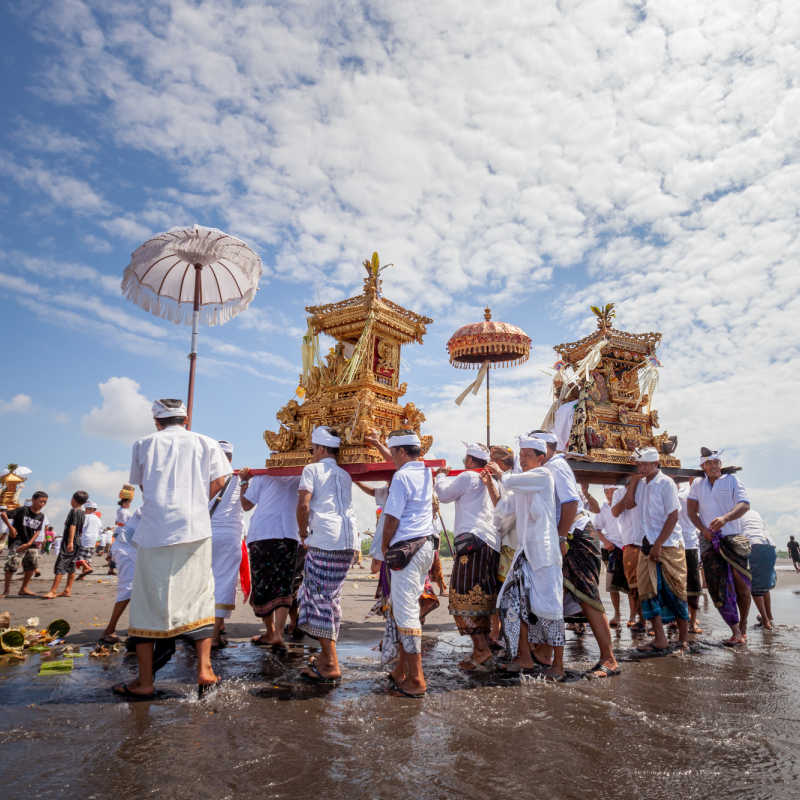
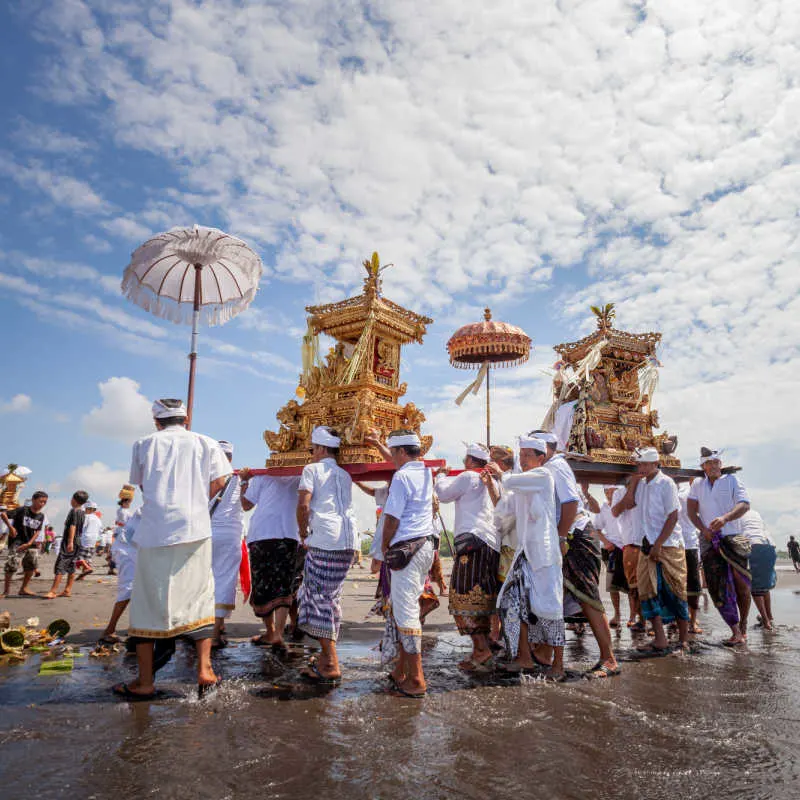
The night before Nyepi, tourists can observe the fearsome Ogoh Ogoh parades, and on the 20th March, tourists will be able to see local communities come together for ceremonies and feasts.
Hotels and accommodation providers always go above and beyond to ensure that guests are taken care of during Nyepi Day, and for those who are unsure what that will look like, now is a great moment to check in with your hosts about what will be available on the day.
Discover more from The Bali Sun
Subscribe to get the latest posts sent to your email.