
Bali is one of the most creative islands in the world, and it’s just one of the many reasons we love it here. It seems that Bali’s creativity knows no bounds, and this is not a new phenomenon.
For centuries, Bali has been home to artisans and craftspeople who have literally woven the fabric of the culture we all know and love today. Yet as the world changes rapidly, all that is under threat.
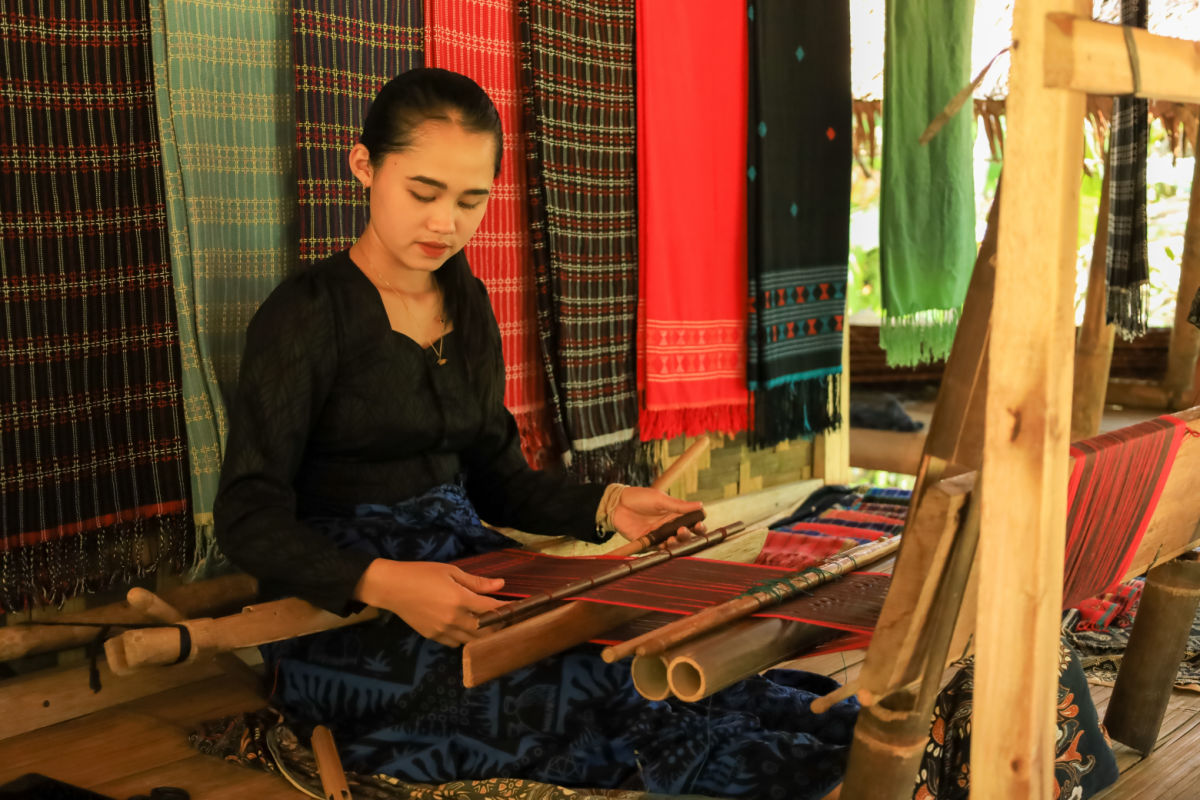
Hands up, who has gone sarong shopping in Bali? The sarong, which should actually be referred to by its real name, ‘Kamen’, is the fabric wrap worn by both men and women every single day. The most traditional kamen are hand-woven and use threads dyed using a traditional technique called Ikat.
The word Ikat literally means ‘to bind’ and refers to a technique used across Southeast Asia; it is a craft in crisis. With the modern world developing at breakneck speed, traditional crafts and heritage practices like loom weaving and Ikat are not being passed down to the next generation.
Thankfully, in Bali, there are organizations like the Giri Putri Ikat Weaving Artisan Group in Bangli Regency that are continuing to strive to preserve the ancestral heritage of the region.
For more than 20 years, the group has consistently produced traditional woven cloth typical of Bangli to preserve local culture from extinction. One of the most special aspects of Ikat is that it is a hyperlocal craft. While practiced widely across Southeast Asia, every region, every regency, even down to a single village level, creates woven fabric with unique patterns and colors that tell the story of the community.
Speaking to reporters about the struggle, the Giri Putri Weaving Artisan Group explained that the weaving crafts are currently facing two major challenges: first, a lack of a successor generation, and second, heavy dependence on imported raw materials.
One of the owners of the Giri Putri ikat woven cloth business, Agung Giri, said that the art of weaving is increasingly losing its appeal in the eyes of the younger generation. He expressed hope that educational institutions, especially Vocational High Schools (SMK), can integrate the art of weaving into extracurricular programs.
Giri explained, “It’s quite difficult for us to directly engage young people. Therefore, we need the involvement of schools and the educational sector. If we include them in extracurricular activities, they will begin to learn, learn, and from there, they will gradually become more willing to pursue it.”
He noted that his company is still fully dependent on imported yarn because the supply of quality cotton and silk domestically is not yet sufficient.
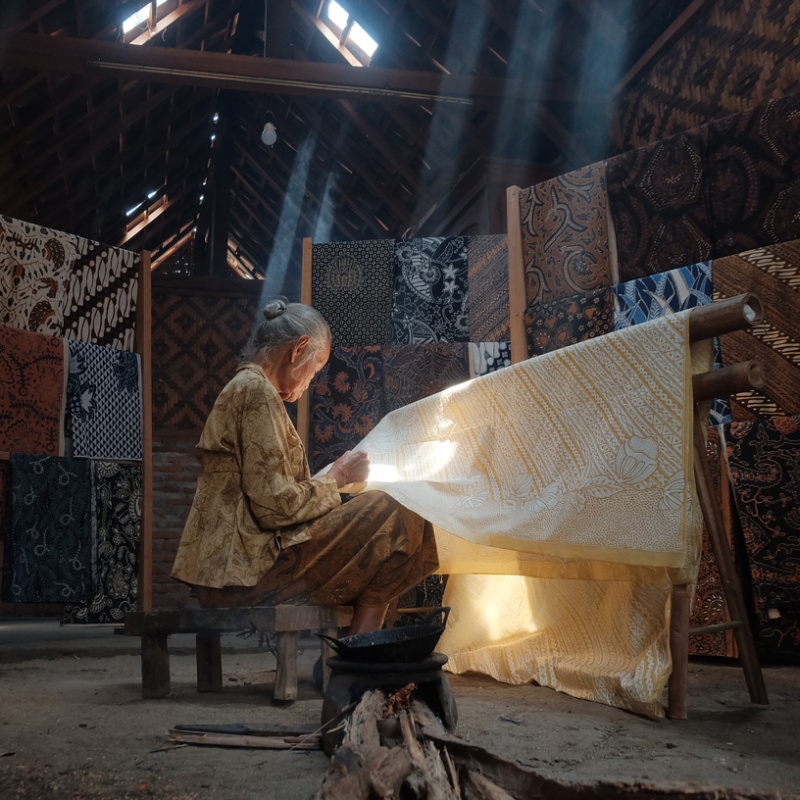
He explained, “For raw materials, we currently import cotton thread from India because Indonesia doesn’t have sufficient supplies. Meanwhile, we source silk thread from China.” Giri confirmed that a piece of Giri Putri ikat woven cloth made from imported cotton yarn is priced starting from IDR 300,000. Meanwhile, for silk fabric, the price can reach IDR 800,000 per piece.
Side Note: Have you heard about the latest travel trend in Bali? Tourists are shipping their souviners home so that they can buy more and save on extra baggage fees with their airlines; it’s so worth it!
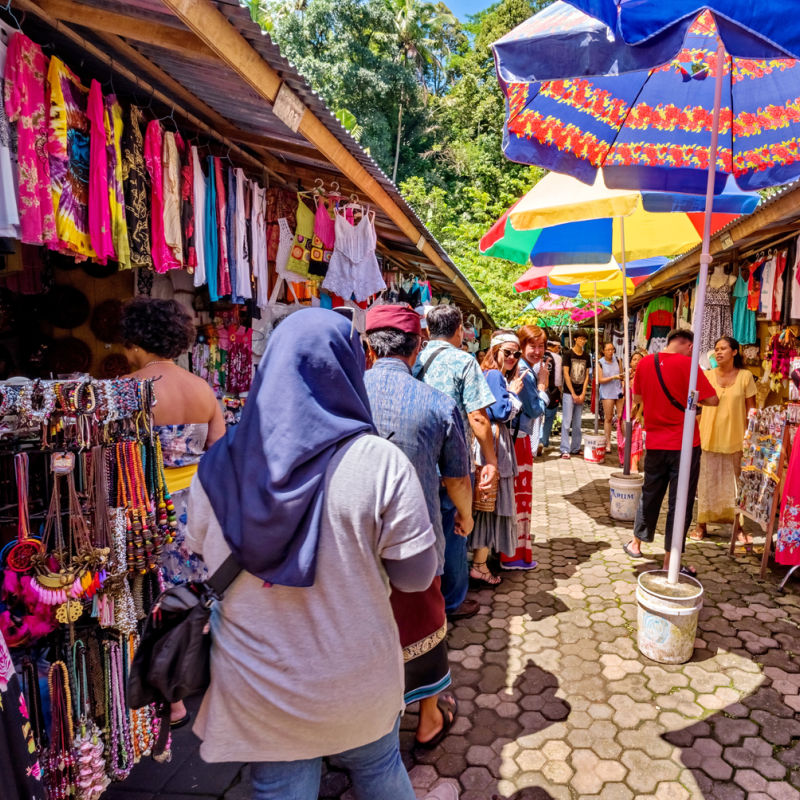
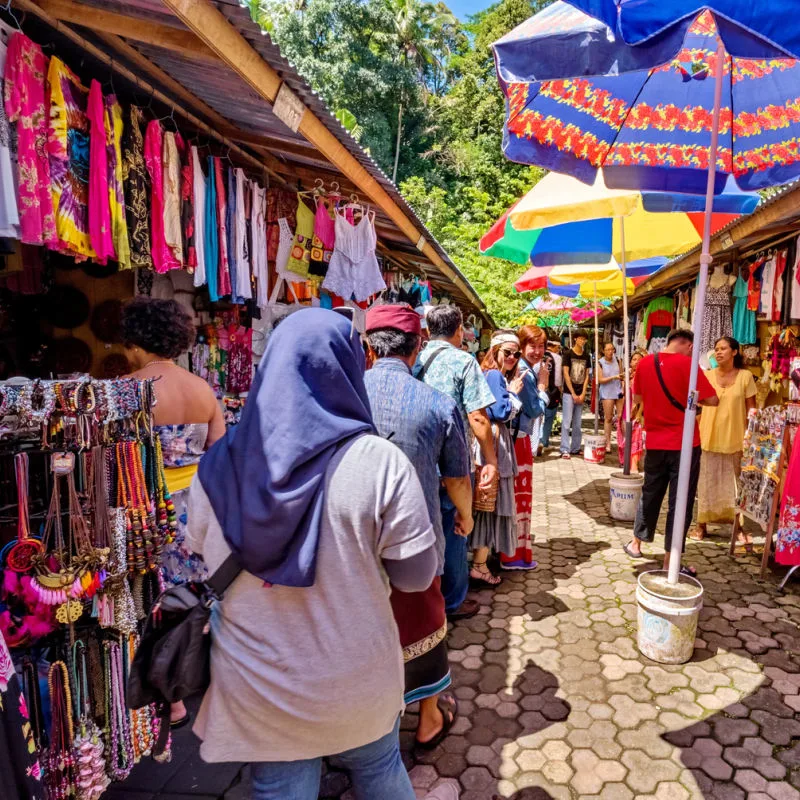
With this ancient craft under threat, tourists can play a role in supporting the longevity of the practice in simple and even interactive ways. Ubud is Bali’s arts and culture capital, and so tourists do not even need to head out of the town centre to support Ikat weavers and learn about this skill in greater detail.
Threads of Life has been in operation since 1998 and works directly with over 1200 women weavers and supports the development of more than 35 weavers’ groups on 12 Indonesian islands, including Bali. Tourists can visit the Threads of Life Shop on Jalan Kajeng in Ubud and shop to their heart’s content. Threads of Life has its own studio where culturally curious and creative tourists can take part in natural dying workshops, starting from half-day introduction to multi-day creative retreats.
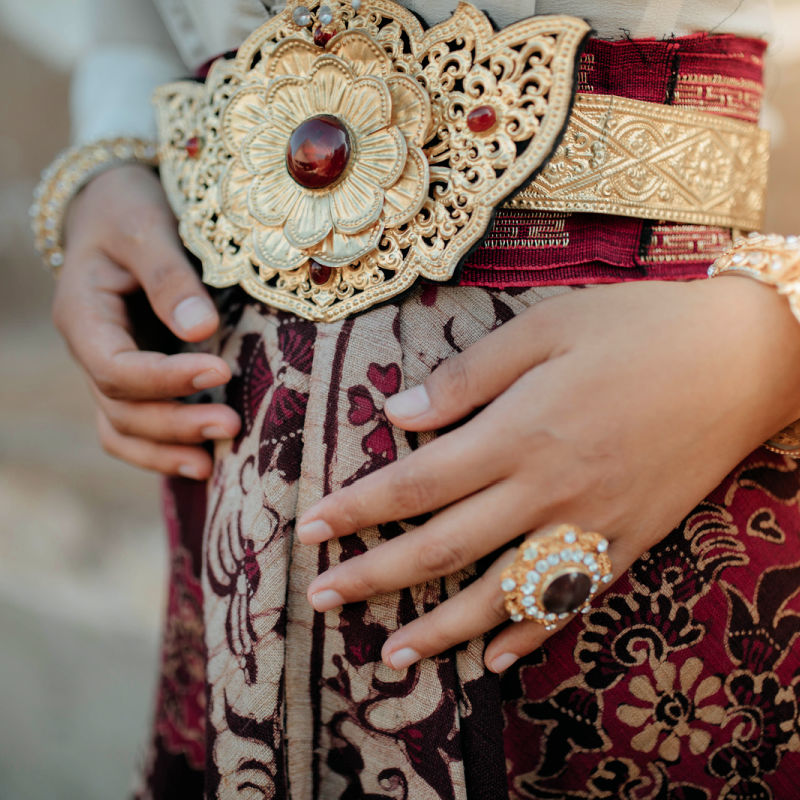
Tourists visiting more rural and remote villages in Bali can talk to their accommodation hosts about visiting the local weaving group and enquire about how to support or buy directly from Ikat weavers in the community to keep things super local and sustainable.
Discover more from The Bali Sun
Subscribe to get the latest posts sent to your email.