

For Bali Beans Coffee, every cup begins long before the coffee reaches the café. It begins in the highlands of Bali, with the soil, the farmers, the coffee cherries and a family tradition that has continued since 1985.
Today, Bali Beans Coffee has grown from its farming roots into a woman-led Balinese coffee company connecting agriculture, processing, roasting, hospitality and education under one umbrella. Led by founder and CEO Ayu Sudana, the company is working towards a more transparent coffee industry—one that gives farmers greater recognition, brings consumers closer to the origin of their coffee and creates meaningful opportunities for women and future generations.
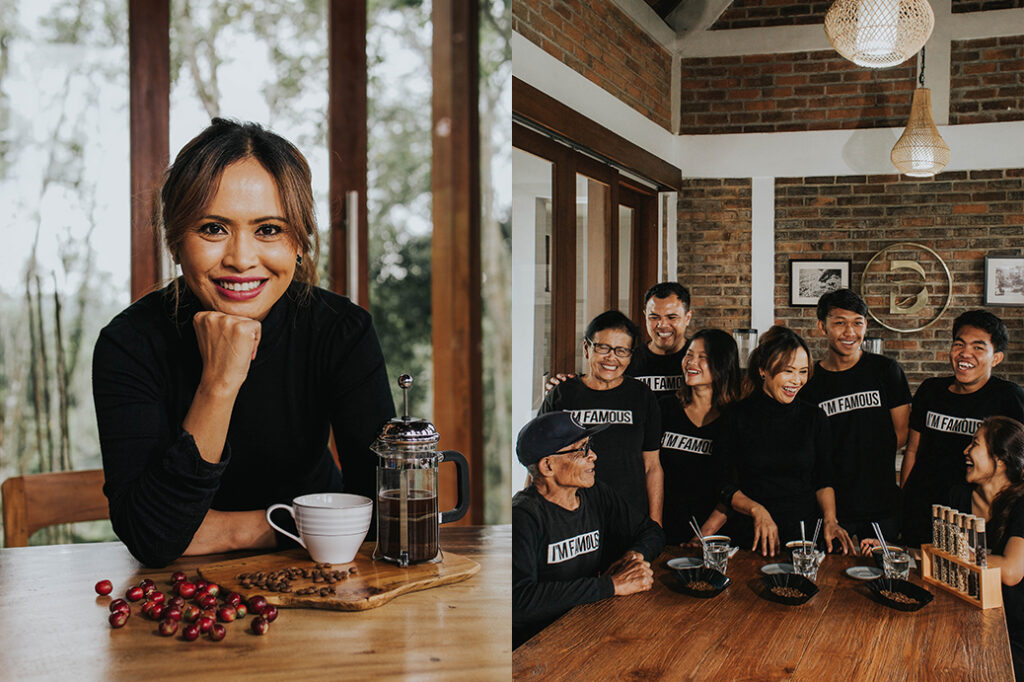
A Family Legacy Rooted in Coffee
Coffee has been part of the Sudana family for generations. Growing up in a farming family gave Ayu an early understanding of the work behind every harvest, but it also showed her the challenges faced by many local farmers.
Coffee may pass through several hands before reaching the customer. Along the way, the people who grow it can become disconnected from the market, the final product and the true value created from their work.
Bali Beans was built to help change that relationship.
“Our vision is to shorten the journey between the farmer and the person drinking the coffee,” says Ayu. “We want customers to understand where their coffee comes from, while helping farmers understand the quality, expectations and opportunities within today’s market.”
This vision became the foundation of the Bali Beans philosophy:
“We grow. We farm. We process. We roast. We deliver.”
By connecting each stage of the coffee journey, Bali Beans can offer greater traceability and consistency while building a more direct and transparent relationship between the farm, the business and the customer.
Rethinking the Coffee Supply Chain
Transparency has become an increasingly important conversation within the global coffee industry. Consumers want to know more about the origin of their products, how they are made and whether their purchases genuinely benefit the communities behind them.
For Bali Beans, transparency is not simply a marketing statement. It is part of how the company operates.
Its farm-to-cup approach allows the team to remain closely involved throughout the coffee’s journey—from cultivation and harvesting to processing, roasting, brewing and serving.
This closer connection also creates an opportunity to share market knowledge with farmers. Understanding quality standards, processing methods, customer preferences and market demand can help farming communities make better-informed decisions and create more value from their harvests.
“We are not trying to remove farmers from tradition,” Ayu explains. “We want to combine their knowledge with education, innovation and a clearer understanding of the market. Farmers should not only produce coffee—they should also understand the value of what they produce.”
The goal is to create a more balanced coffee economy in which farmers are not invisible at the beginning of the supply chain but recognised as essential partners in the final product.
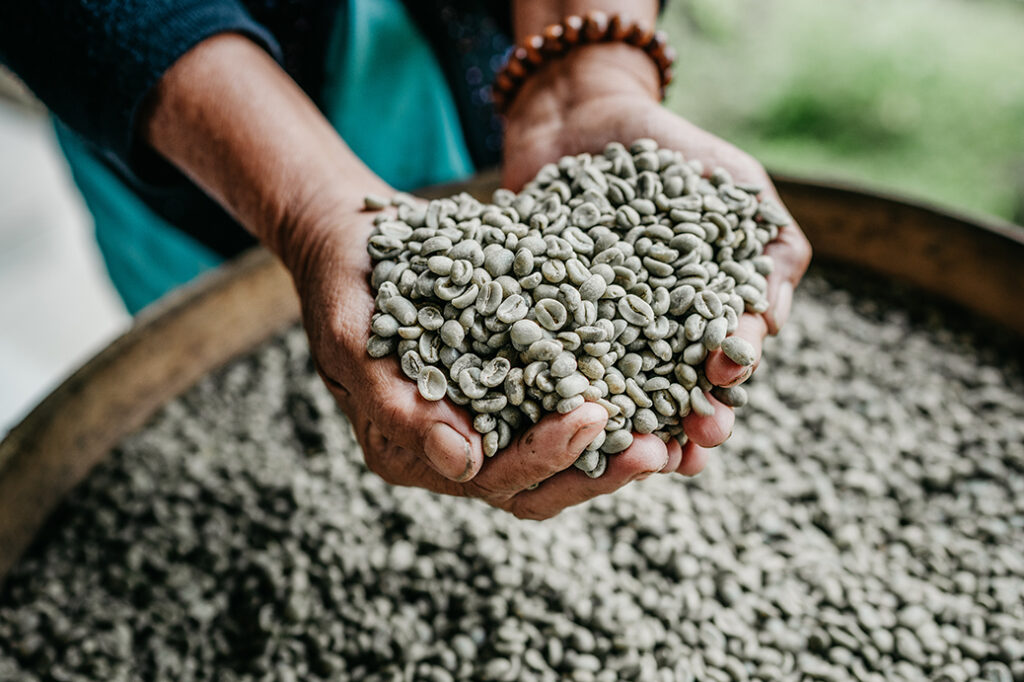
Empowering Women Through Opportunity
Women have always played an important role in agriculture, yet their work is not always visible or equally recognised. As a Balinese woman leading a coffee company, Ayu wants Bali Beans to help change this.
The company’s commitment to women’s empowerment focuses on creating practical opportunities through employment, education, skills development and greater participation in the coffee industry.
For Ayu, empowerment must extend beyond a campaign or a statement. It should give women the confidence, knowledge and economic opportunities to contribute to their families and communities.
“When a woman is given knowledge and an opportunity to earn, the impact reaches much further than one individual,” she says. “It can strengthen her family, support her children’s education and create greater stability within the community.”
Bali Beans also hopes to encourage younger generations to see agriculture differently. Farming should not be regarded as a profession without a future. With improved knowledge, technology, quality control, market access and responsible business partnerships, it can become a respected and sustainable livelihood.
Bringing the Story to Umalas
The story continues at Bali Beans Coffee & Co in Umalas, where customers can experience the brand beyond the packaging.
The café brings together Bali-grown coffee, carefully roasted beans, food and hospitality in a relaxed setting. Guests can visit for breakfast or lunch, enjoy specialty coffee, meet the team and learn more about the journey behind what they are drinking.
Rather than functioning only as a coffee shop, the Umalas location acts as a connection point between the farm and the customer. It gives people an accessible way to experience Bali Beans while discovering more about local coffee, processing methods and responsible sourcing.
Coffee tastings, cupping sessions and educational experiences allow guests to explore flavour, aroma, origin and preparation more deeply. These activities are designed for everyone—from curious beginners to hospitality professionals and serious coffee enthusiasts.
Bali Beans also works with cafés, restaurants, hotels and other businesses through its wholesale coffee services. By supporting hospitality partners with quality coffee and product knowledge, the company can bring its farm-to-cup philosophy to a much wider audience.
Visiting the Origin
For visitors who want to go further, the Bali Beans plantation experience offers an opportunity to see where the journey begins.
A visit to the plantation gives guests a deeper understanding of coffee cultivation and the work involved before a finished cup can be served. Depending on the season and selected experience, visitors can learn about the coffee plants, farming practices, harvesting, processing and the relationship between the natural environment and the final flavour.
The plantation is not presented simply as a tourist attraction. It is a working agricultural environment and an opportunity to connect visitors with the people, knowledge and landscape behind Balinese coffee.
This experience gives tourism a greater purpose. Guests leave with more than photographs; they leave with a clearer appreciation of the time, skill and human effort involved in creating the coffee they enjoy.
Every Purchase Becomes Part of the Story
Supporting Bali Beans can take many forms. It may mean visiting the Umalas café, booking a plantation experience, attending a coffee tasting, purchasing coffee to enjoy at home or choosing Bali Beans as a wholesale partner.
Each of these actions helps the company continue its work with farmers, create employment, support women and share Balinese coffee with a broader market.
The aim is not only to sell more coffee. It is to build a business model in which commercial growth and community impact can strengthen one another.
“We want Bali Beans to show that a local business can grow while remaining connected to its roots,” Ayu says. “We can honour our family history, support our farmers, empower women and still build a strong brand that represents Bali internationally.”
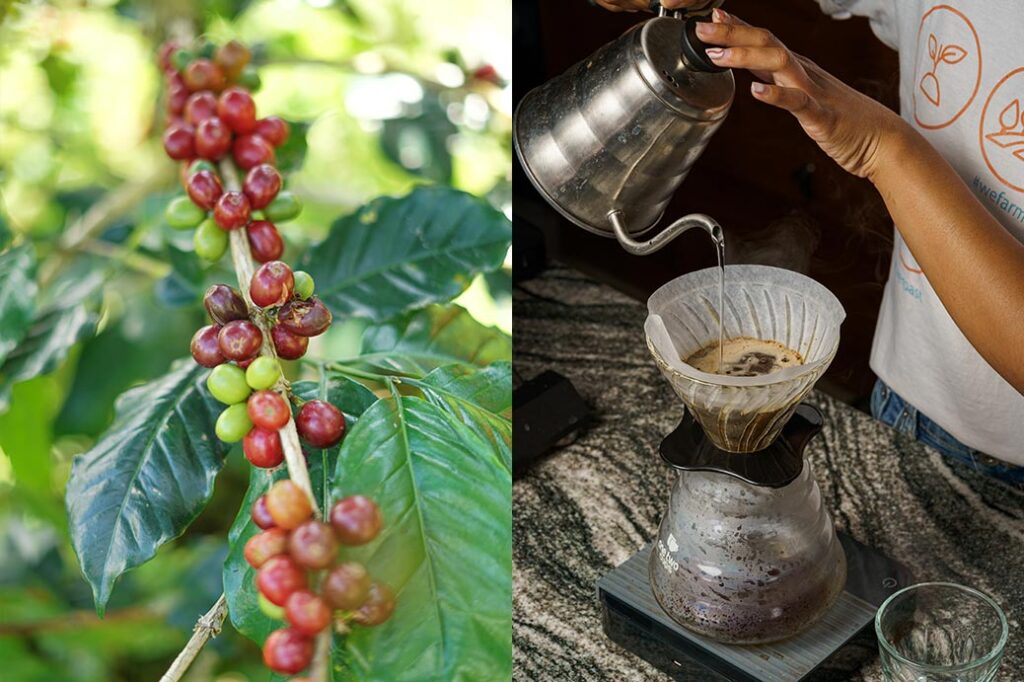
A New Chapter for Balinese Coffee
Bali Beans represents a meeting point between heritage and a new generation of responsible business.
Its story begins with a family farm, but its ambition reaches much further: to create a more transparent supply chain, bring greater value and recognition to farmers, open more opportunities for women and help customers understand the people behind every cup.
As Bali’s hospitality and coffee industries continue to develop, Bali Beans is building a model grounded in origin, accountability and community.
From the plantation to the roastery, from the Umalas café to customers around the world, every part of the journey remains connected.
For Bali Beans, coffee is not simply a product. It is a family legacy, a source of livelihood and an opportunity to help shape a more sustainable future.
Experience Bali Beans Coffee
Visit Bali Beans Coffee & Co in Umalas for specialty coffee, breakfast and lunch, or discover the origin of Balinese coffee through a plantation experience. Bali Beans also offers coffee tastings, cupping experiences, retail products, wholesale supply and business collaborations.
Website: https://balibeans.com/id
Instagram: @balibeanscoffee
Plantation experiences or Wholesale and collaborations : +6287728896890
Umalas café: Jl. Umalas 1 No. 67, Kerobokan Kelod, Kuta Utara, Badung, Bali 80361
Disclaimer: While every effort has been made to ensure accuracy, this article may contain minor inaccuracies
in names, locations, or event details. Readers are welcome to contact the editorial team for any clarification.