
Bali’s royal heritage makes for fascinating reading. For tourists traveling to Bali who are interested in exploring more of the history of this island, the royal palaces are a good place to start.
From Karangasem Regency through to the Kingdom of Gianyar and over to the royal seat of Klungkung Regency, exploring Bali’s royal past opens tourists’ eyes to this island’s culture and beauty in a whole new way.
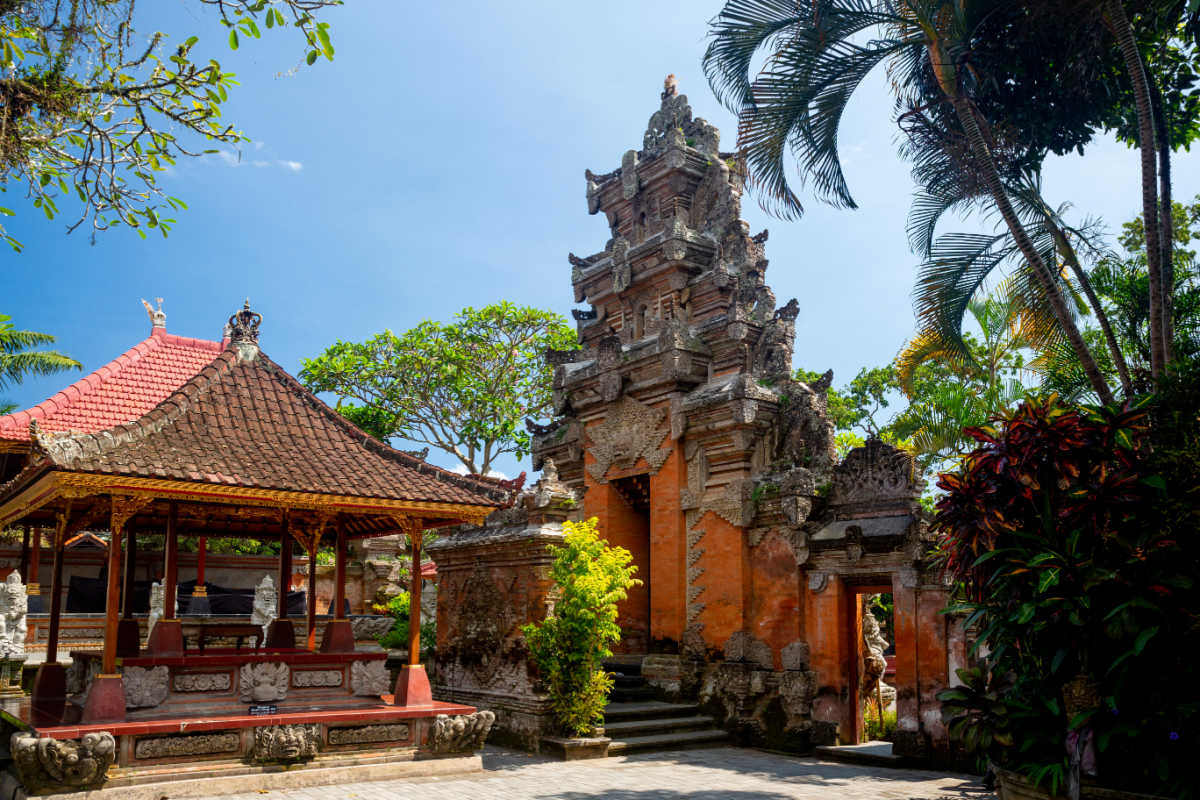
For centuries, Bali was ruled as nine kingdoms and is still governed that way today, though as regencies. Regular readers of The Bali Sun will often hear us refer to Badung Regency, home to Canggu, Seminyak, Legian, and other top resorts, as well as Gianyar Regency, home to Ubud.
Each of these regencies was one of the nine kingdoms, and each was home to a Puri or palace. These make for the best starting point for diving into Bali’s rich historical past.
Sitting in the ever-popular arts and culture capital, Ubud Royal Palace is perhaps the most well-known royal residence for tourists.
Located in the very heart of Ubud, the palace was built in the early 1800s and is still the home of the traditional Ubud royal family. Known by its formal name, Puri Saren Agung, the palace is open to the public seven days a week.
The best way to experience Ubud Royal Palace is to attend one of the nightly cultural dance performances. From the Legong to Barong, these live performances bring together some of the best traditional dancers in all of Bali. Ubud Royal Palace has long been a safe haven and source of inspiration for international and Indonesian artists.
The Ubud royal family invited legendary Walter Spies to live in Ubud, and his time in the community ultimately helped transform the town into an internationally acclaimed global artistic hub. As both a home and living temple, a visit to Puri Saren Agung is one of the most authentic and intimate ways for tourists to learn firsthand about Bali’s history and the way in which the past influences day-to-day life now.
The next stop on a royal tour of Bali has to be Puri Agung Karangasem. This stunning palace in East Bali was built in the 19th century, making it a relatively modern royal residence.
Bringing together traditional Balinese architecture with Chinese and European influences, the palace is more of an administrative centre for the kingdom than a residence. Tourists who have visited before or are deep in their research for their upcoming trip may recognise Puri Agung Karangasem from photographs, for its main pavilion appears to float in the middle of a lotus pond.
Here at The Bali Sun, we can assure you that it looks even more impressive in real life; we highly recommend a visit!
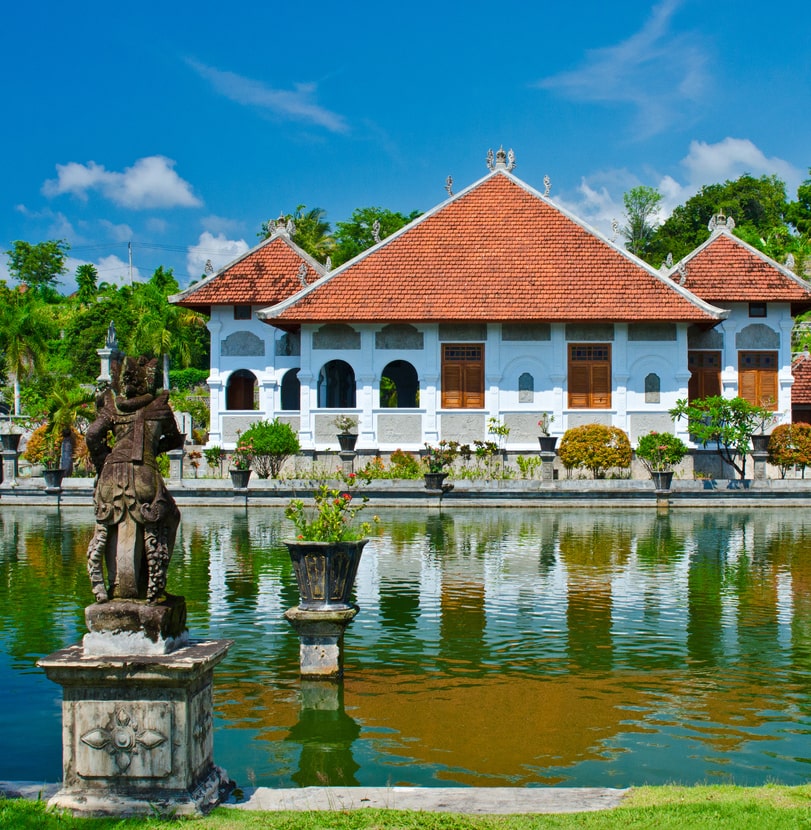
Leaving the best ’til last, we head to the Klungkung Royal Palace, known as Puri Agung Semarapura. The palace is home to the seat of the highest king in Bali, Dewa Agung.
For those interested in Balinese history, this might be the most important site to visit of them all.
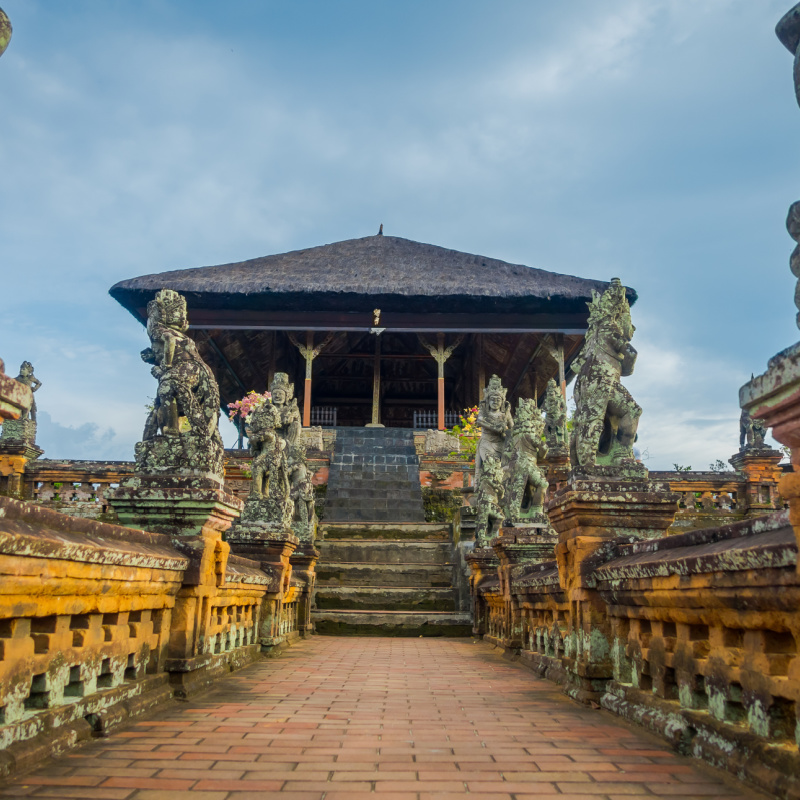
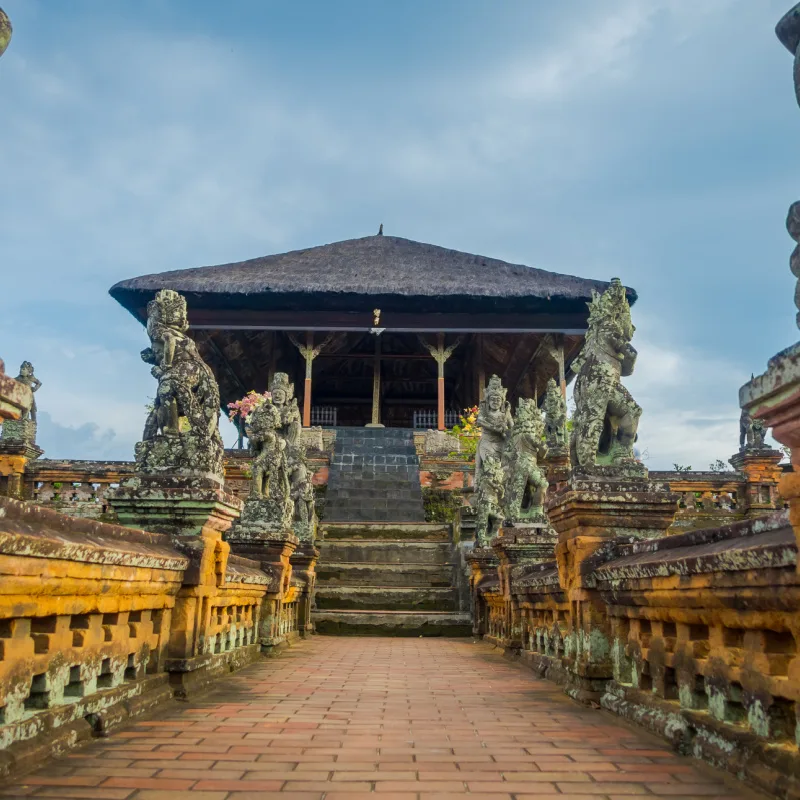
Built in the 17th century, the palace and grounds were at the centre of the Balinese resistance against Dutch colonial forces. During the Puputan of 1908, much of the Klungkung Royal Palace was destroyed.
Over the years, much of the complex has been renovated and restored, and now stands proudly as one of Bali and Indonesia’s most important historical landmarks.
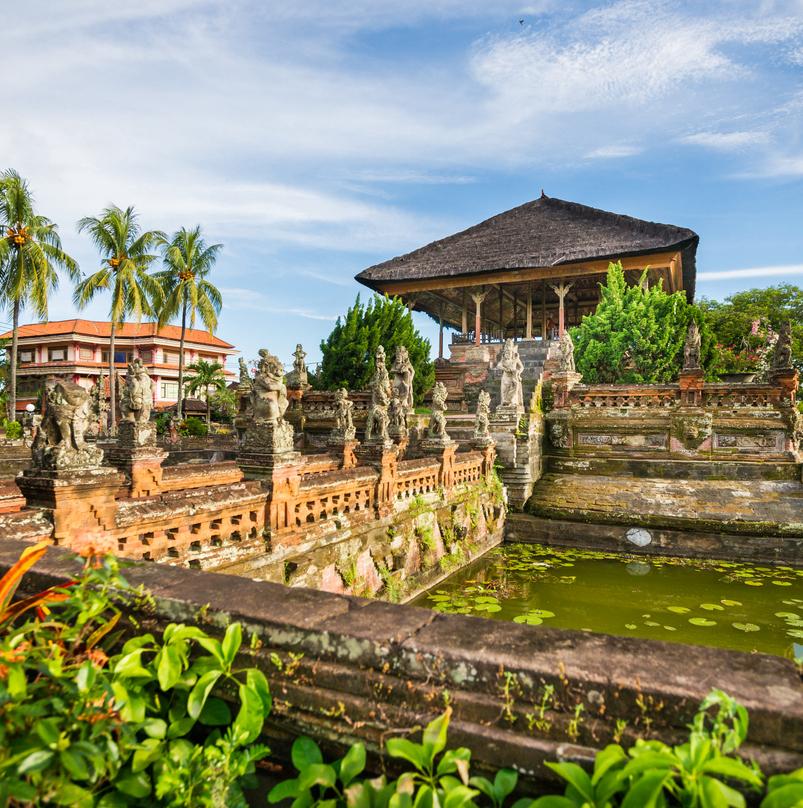
A visit to Klungkung Royal Palace must be coupled with a stop at Kertha Gosa Park. The traditional hall of justice was built in the 18th century and was also affected by the events of 1908. However, the Great Gate, known as Pemedal Agung, survived.
The Bale Kambang is another stunning example of a ‘floating’ pavilion, and here at The Bali Sun, we highly recommend hiring a local guide for both Klungkung Royal Palace and Kertha Gosa Park to really have access to the nuanced historical information needed to fully appreciate Bali’s royal history.
Discover more from The Bali Sun
Subscribe to get the latest posts sent to your email.