

If you have ever been to Bali before, you may already be familiar with the island’s unique naming system.
For those who are about to visit the island for the first time, understanding the Balinese naming system can help you better connect with local people and convey your enthusiasm for respecting the culture during your trip.
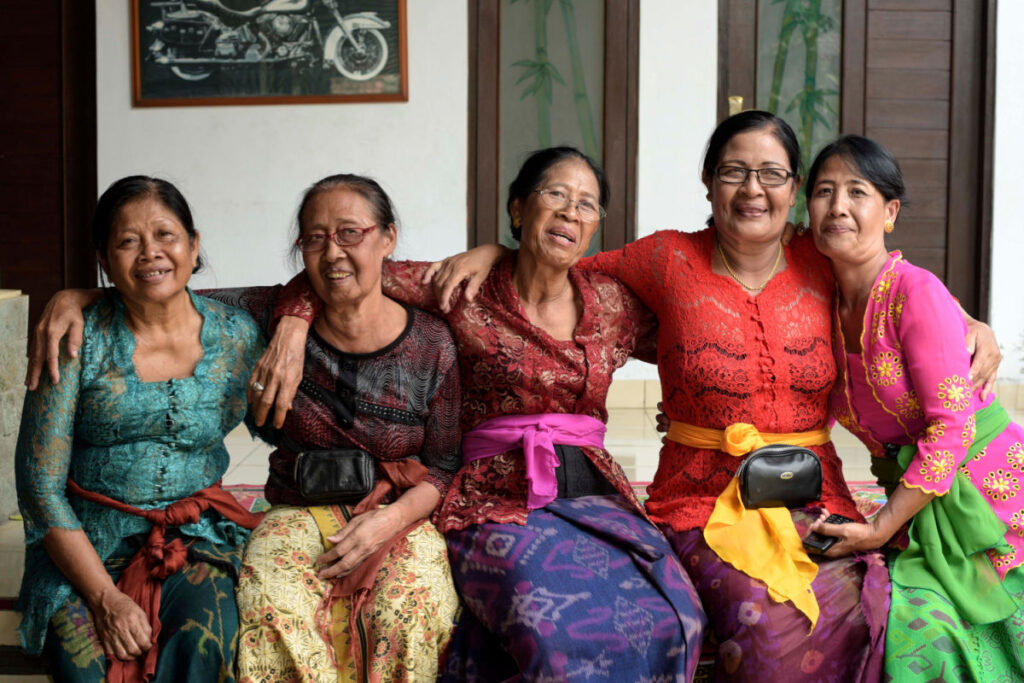
Bali is one of the most culturally generous regions on earth. Bali has opened its doors to tourism and shares so much of its culture with visitors, from temple ceremonies to cultural dances. A vacation to Bali is never just a holiday; it is a glimpse into a whole other culturally abundant world.
There are many unique elements to Balinese life that tourists notice from the moment they touch down on the island. Something that always strikes first-time visitors as noticeable is how many people share the same name, and share the same name regardless of gender.
This is because in Bali, a name represents so much. In Bali, someone’s name can tell us their birth order, their caste, gender, and even some of their personality traits.
The birth order system may feel a little confusing at first, but it’s actually very simple. All firstborns are either called Wayan, Putu, or Gede. All second-born children are called Made, Kadek, or Nengah.
This is why tourists will often feel like everyone on the island is called Wayan or Made, since over the last fifty years, families have been having fewer children.
For second-born children, there is more of a preference for the names Made and Kadek; we tend to see fewer Nengah’s about town!
Third-born children are called Nyoman or Komang, and fourth-born children are named Ketut. What happens if there is a fifth child, you ask. The cycle starts again, often with the second name Balik, which literally means ‘another’.
In written form, to help identify gender, names are prefixed with I for men and Ni for women. For example, I Wayan or Ni Made. Ni Luh is a common name for women and girls in Bali and is used for firstborn daughters.
In Bali, being a Balinese Hindu culture, there is a caste system in place. Sudra is the name given to ‘commoners’ or those who do not have a noble title. In the Wesya caste, which is the caste of merchants and administrative officials, names like Dewa, Desai, and Gusti are also given.
In the Ksatria caste, which is the caste of nobility and warriors, names are typically prefixed with Anak Agung, Ngurah, or Tjokorda.
For the highest caste, the Brahmana, which is the priestly and scholarly caste, men are often titled Ida Bagus and women Ida Ayu.
There is one more name that tourists may come across, and that is Jero. This is the name taken by women, typically, who have married into a higher caste.
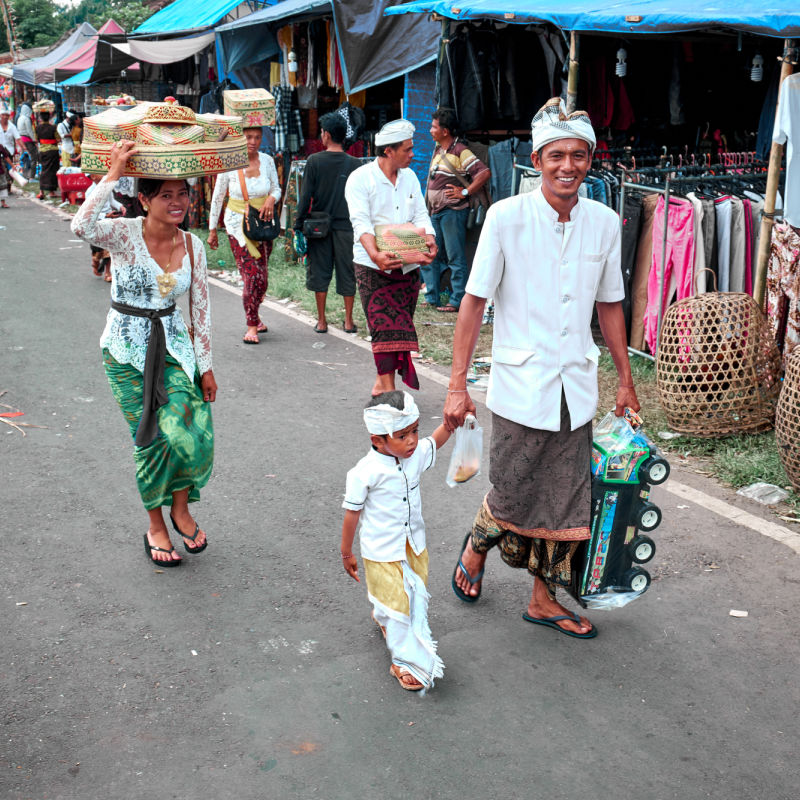
Then there are personal names and nicknames. Since there are so many Wayans and Mades, parents typically add a chosen name for their babies, which often has a Sanskrit root, although, as society changes, some parents are even giving their children more internationally inspired chosen names.
For example, ‘Dewi’ is a commonly chosen name for girls, meaning Goddess, or Asri, which can mean beautiful or peaceful.
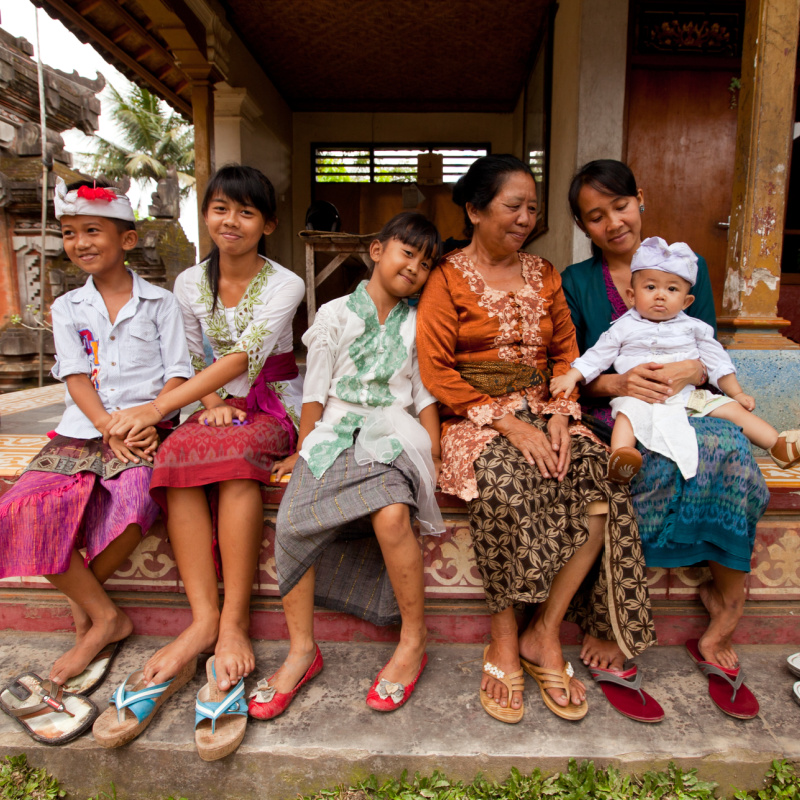
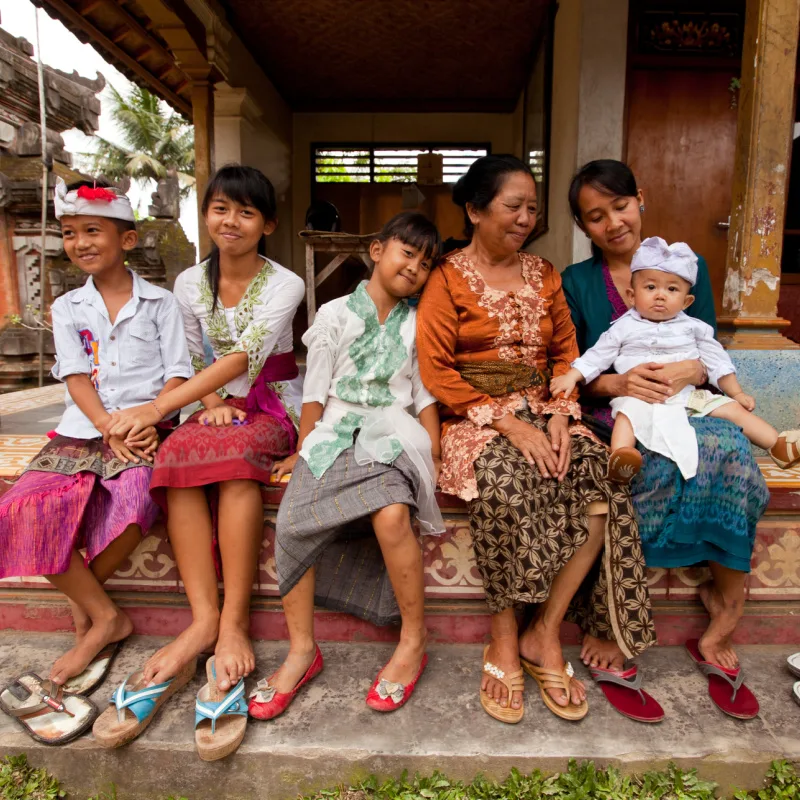
A blended name calling on Balinese and international heritage or inspiration might be Kadek Joseph. This would also be shortened down to be a nickname like Dekjo.
It’s not uncommon in Bali, and around Indonesia, to shorten words by cutting off the first syllable. For example, watch out for an informal ‘ma’kasih’, rather than a full ‘terima kashi’ amongst friends.
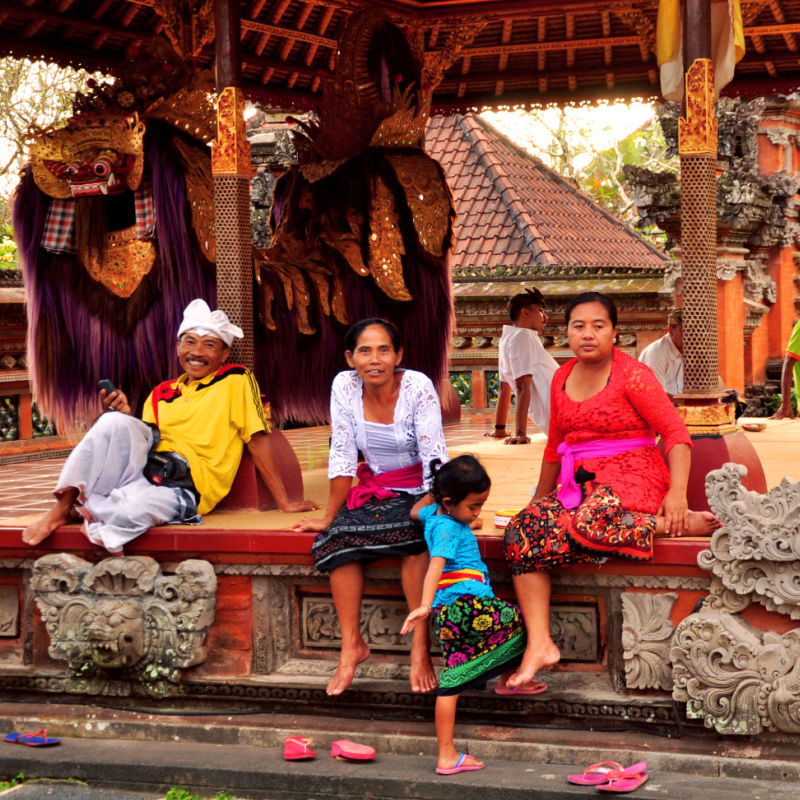
Most Balinese people are super enthusiastic about sharing their culture with tourists, so don’t be afraid to ask chatty tour guides, hosts, or taxi drivers about their names and what it means to them.
Discover more from The Bali Sun
Subscribe to get the latest posts sent to your email.