
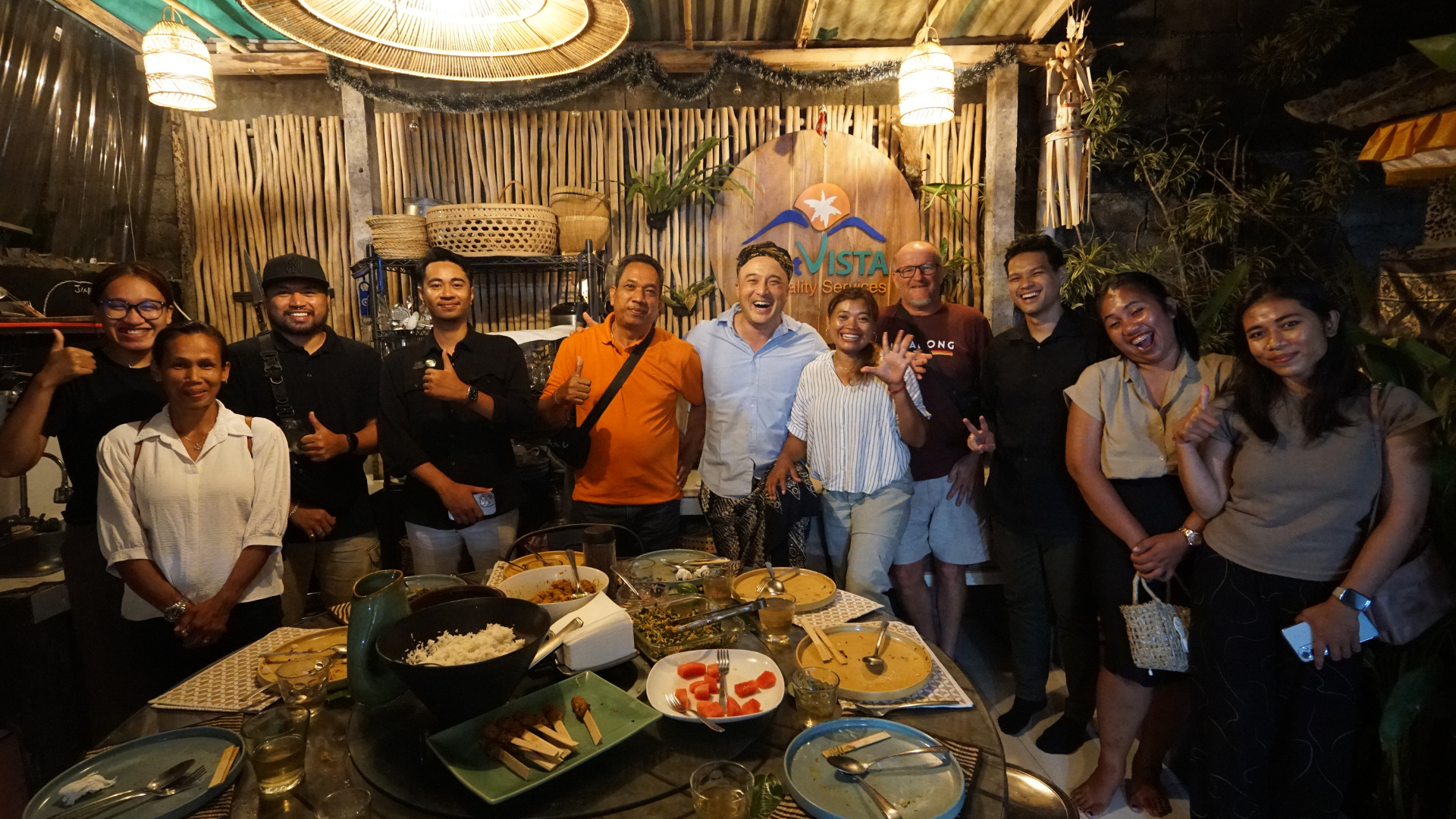
When discussing new tourist attractions in Bali, the focus often lies on preserving local culture as a primary draw for visitors. The integration of modern technology in promoting and managing these attractions can enhance the overall visitor experience, making it more engaging and accessible. Jing also highlighted how high-end Balinese costume rentals, similar to what is done in Kyoto and Tokyo, could be a unique addition to Bali’s tourist offerings. Setting up costume rental services near major temples like Uluwatu and Besakih, where tourists can rent traditional attire such as kebaya and udeng, would offer visitors a culturally immersive experience. This could be paired with guided temple tours and photography packages, allowing tourists to document their cultural experience while wearing traditional Balinese attire.
Integrating costume rentals with village events would let tourists participate in local ceremonies in authentic attire, deepening their connection with Bali’s rich traditions. This service not only enriches the Bali tourism experience but also supports local artisans and designers, generating funds for cultural preservation. The development of such attractions should also prioritize sustainability, encouraging collaboration between the government, entrepreneurs, and the local community to create eco-friendly, culturally respectful tourist destinations that will stand the test of time. Such collaborative efforts extend beyond attractions and into the broader Bali tourism industry, where cooperation is key to enhancing Bali’s global competitiveness.